Blatant Lawlessness in Deportation Cases: Judge Slams Faustino Pablo Pablo Deportation

‘Blatant Lawlessness’ in Deportation Cases
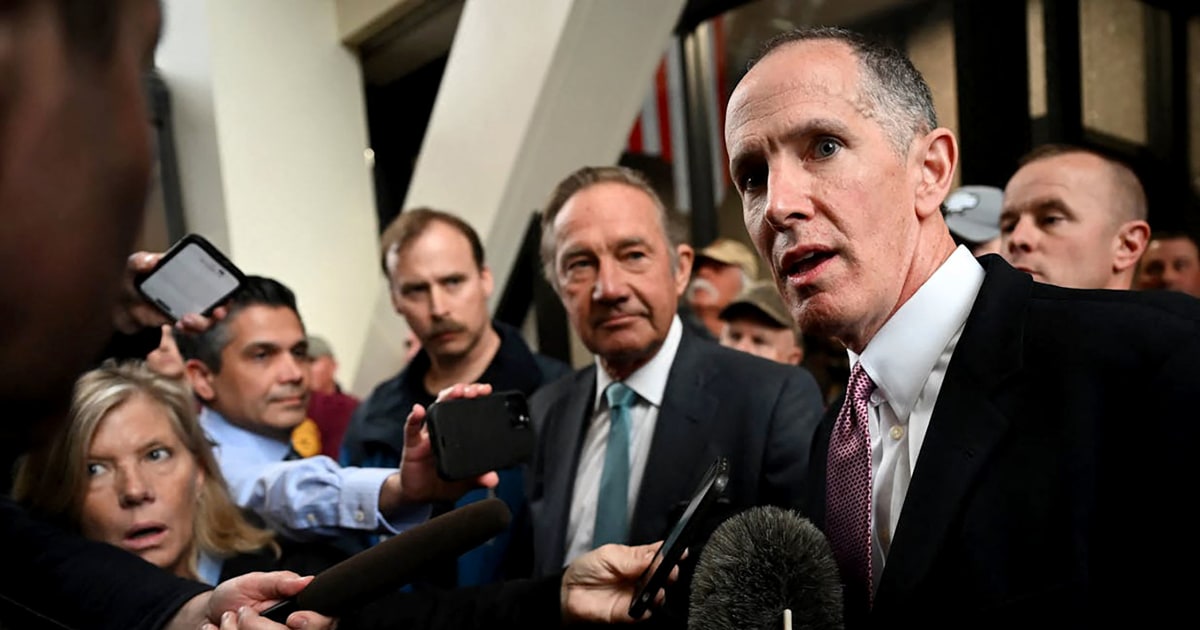
In a recent ruling, a federal judge condemned the deportation of Faustino Pablo Pablo as “blatant lawlessness,” highlighting serious procedural failures within U.S. immigration enforcement. Despite having a valid removal stay order, Pablo was deported to Guatemala, a country where he faces significant danger, which immigration officials were fully warned about. The judge ordered the government to return Pablo by December 12 and provide daily updates on efforts to rectify the wrongful removal.
Systemic Issues and Repercussions
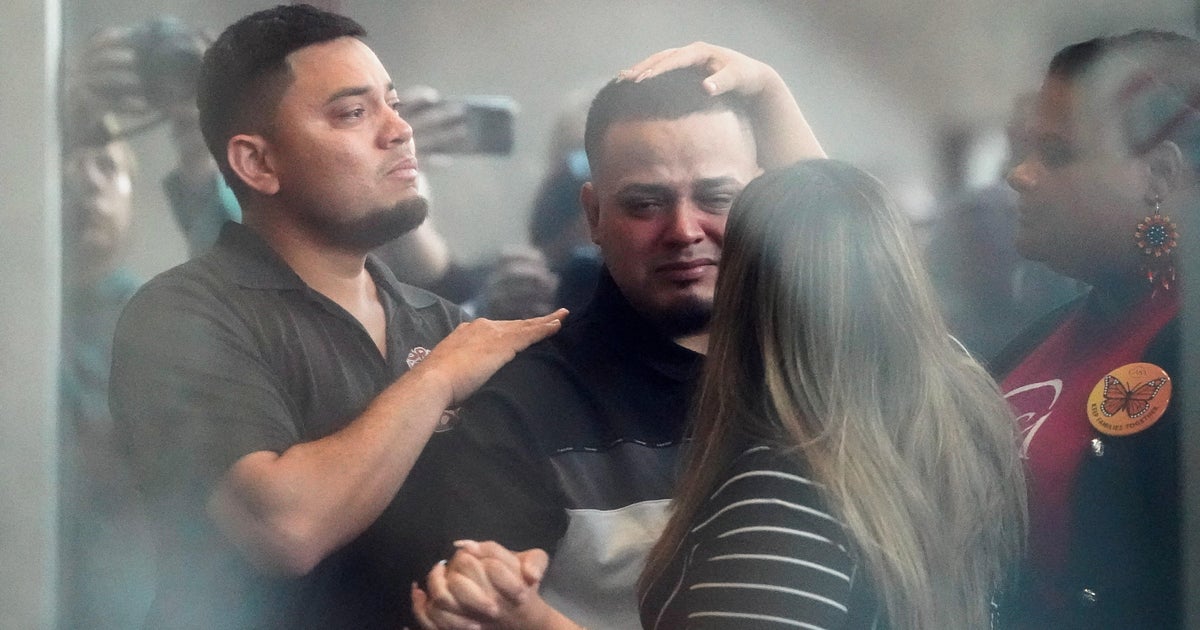
Pablo’s case is not isolated; it echoes a pattern of unlawful deportations, including that of Kilmar Abrego Garcia, who was sent to El Salvador despite a protection order. These incidents expose critical flaws in deportation protocols under the current administration, raising concerns about the disregard for legal protections afforded to vulnerable immigrants. Families of deportees express distress as they await reunification amid these unlawful removals.
The Path Forward
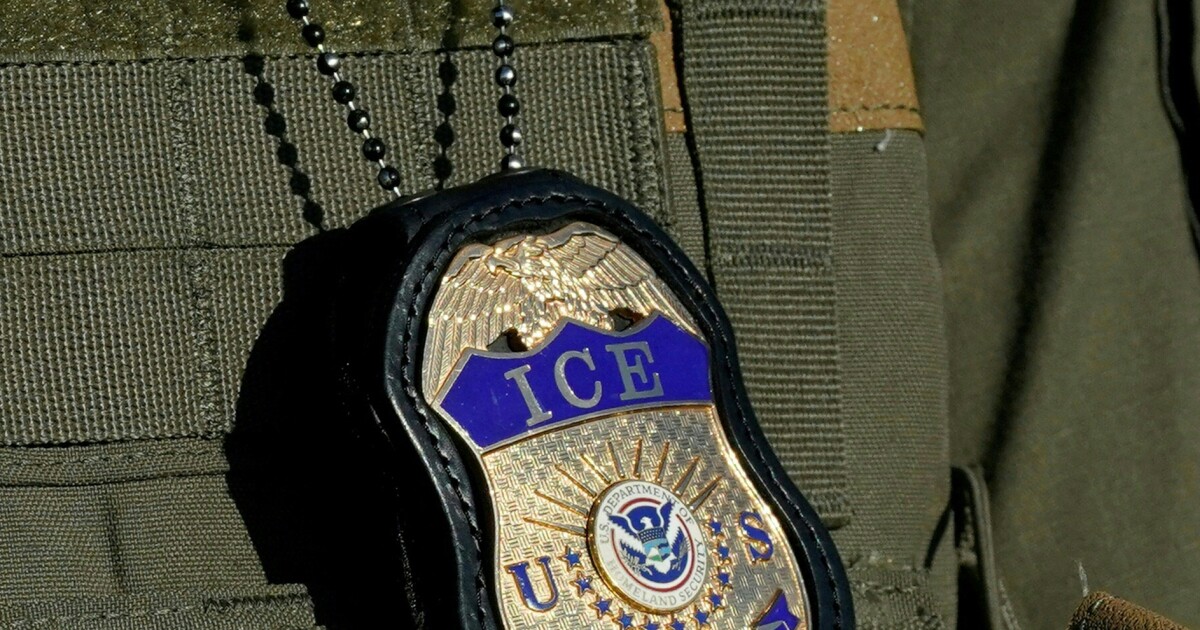
The Department of Homeland Security has acknowledged the illegality of Pablo’s deportation and pledged cooperation to return him. This case underscores the urgent need for reform to prevent further violations of immigrant rights and ensure adherence to judicial orders within immigration enforcement.
About the People Mentioned
Faustino Pablo Pablo
Faustino Pablo Pablo, professionally known as Pablo, is a Filipino singer, songwriter, rapper, dancer, and record producer born on September 14, 1994, in Imus, Cavite, Philippines. He is notably a member of the Filipino boy band SB19, which has gained significant recognition in the Philippine pop music scene and beyond. Pablo is also the CEO of 1Z Entertainment, a company established and managed by SB19 members themselves, highlighting his role not only as an artist but also as a music industry entrepreneur. Pablo has earned acclaim for his contributions to music, with multiple awards recognizing his talents. He has won the Composer of the Year award multiple times at the *Village Pipol* Choice Awards (2022, 2023, 2024) for notable songs such as "Mapa," "WYAT," and "Gento." His song "Determinado" won Best Song at the Djooky Music Awards in 2021. Additionally, he has received nominations at the Awit Awards, including Best Performance by a Male Recording Artist for "La Luna" and People's Voice Favorite Male Artist. In 2023, he was honored as the Top Male Leader of the Year at the PPOP Awards, and in 2025, he won Artist of the Year at the 10th Wish Music Awards. Standing 172 cm tall, Pablo is recognized for his versatility as a performer and creative force, contributing significantly to the rise of P-Pop (Pinoy Pop) on both national and international stages. His leadership in SB19 and his entrepreneurial role in 1Z Entertainment underscore his ongoing influence and relevance in the Filipino music industry as of the mid-2020s[1][2][3].
Kilmar Abrego Garcia
Kilmar Abrego Garcia was born in July 1995 in the Los Nogales neighborhood of San Salvador, El Salvador. His family faced serious threats from the Barrio 18 criminal gang, which extorted his mother’s small pupusa business and threatened to force his eldest brother, Cesar, into gang membership or kill him. To protect Cesar, the family sent him to the United States. Later, the gang targeted Kilmar as well, leading his family to send him to the US when he was about 16 years old. He crossed the Mexico–US border illegally near McAllen, Texas, around 2011 or 2012 and subsequently traveled to Maryland to live with his brother Cesar, who had become a US citizen. In Maryland, Kilmar Abrego Garcia established a family life after marrying Jennifer Vasquez Sura, a US citizen, in 2016. The couple had one child together, and they raised this child alongside Vasquez Sura’s two children from a previous relationship. All three children have special needs; notably, the son born to Kilmar and Jennifer has autism and a hearing impairment and is non-verbal. Throughout his time in the United States, Abrego Garcia had no criminal charges or convictions, including any gang-related allegations, in either the US or El Salvador. Despite his family ties and lack of criminal record, Kilmar Abrego Garcia was eventually deported to El Salvador. His case highlights the challenges faced by many Central American migrants fleeing gang violence and the complexities surrounding immigration enforcement in the US. His life story is notable for the intersection of family protection, migration under duress, and the impact of immigration policies on individuals with strong family and community connections in the United States.
About the Organizations Mentioned
Department of Homeland Security
The **Department of Homeland Security (DHS)** is a U.S. federal agency established in response to the 9/11 terrorist attacks to safeguard the nation from a wide range of threats including terrorism, natural disasters, cyberattacks, and border security challenges. Its core mission is to protect the American people, critical infrastructure, and uphold national security by coordinating efforts across government and private sectors. DHS oversees immigration enforcement, cybersecurity, emergency response, and counterterrorism initiatives. Formed in 2002, DHS consolidated 22 federal agencies to create a unified structure for domestic security. Its key components include the U.S. Customs and Border Protection, the Federal Emergency Management Agency (FEMA), and the Transportation Security Administration (TSA). Over the years, DHS has played a critical role in preventing terrorist attacks, enhancing airport security, responding to natural disasters like hurricanes and pandemics, and advancing cybersecurity protections for government and private sector networks. In recent years, DHS has shifted focus towards emerging threats such as unmanned drone attacks on infrastructure, cyber intrusions into financial and critical systems, and disruptions to supply chains. Strategic visions for 2025 and beyond emphasize technological innovation, integration of intelligence, and public-private partnerships to address these complex challenges. The agency’s budget reflects its broad mandate, with over $400 billion allocated for fiscal year 2025, underscoring its significant role in national security and emergency preparedness. Notably, DHS has faced scrutiny and calls for reform, especially regarding immigration enforcement and internal mission clarity. Recent directives have expanded immigration enforcement powers to other federal law enforcement agencies, reflecting policy shifts under different administrations focused on border security. For business and technology sectors, DHS represents a major government player driving innovation in cybersecurity, disaster response technology, and infrastructure protection, while navigating evolving threats in a complex geopolitical landscape. Its ongoing modernization efforts aim to enhance resilience and adapt to future security challenges.