Section 212(f) and Presidential Authority: Immigration, Asylum, and Enforcement
Presidential Authority Under Section 212(f)
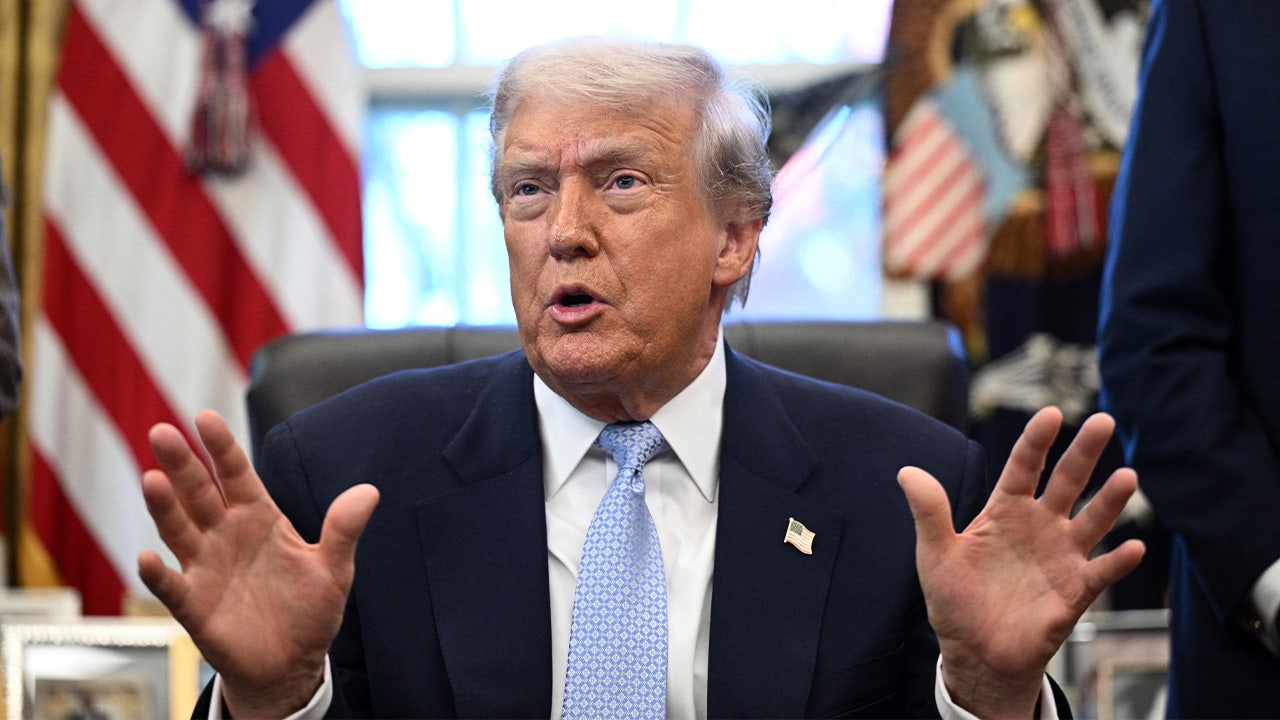
President Trump recently highlighted Section 212(f) of the Immigration and Nationality Act, a federal statute granting the president broad authority to suspend the entry of noncitizens deemed detrimental to U.S. interests. This proclamation power allows the president to restrict immigration for any duration deemed necessary, making it one of the most expansive executive tools in immigration law. The provision has been invoked by multiple administrations to address national security concerns and immigration policy objectives.
Scope and Limitations
While Section 212(f) provides sweeping executive power, it contains important legal boundaries. The president cannot override other provisions of the Immigration and Nationality Act, particularly Section 208, which guarantees asylum rights for individuals arriving in the United States. Courts have emphasized that this limitation prevents the executive branch from unilaterally eliminating statutory protections established by Congress, maintaining constitutional balance between branches of government.
Current Immigration Enforcement
Trump's emphasis on Section 212(f) reflects his administration's escalating immigration enforcement strategy. The law enables presidents to issue proclamations targeting specific groups or nationalities, though such actions remain subject to judicial review and congressional oversight, ensuring that executive immigration powers do not exceed constitutional limits.
```About the People Mentioned
President Trump
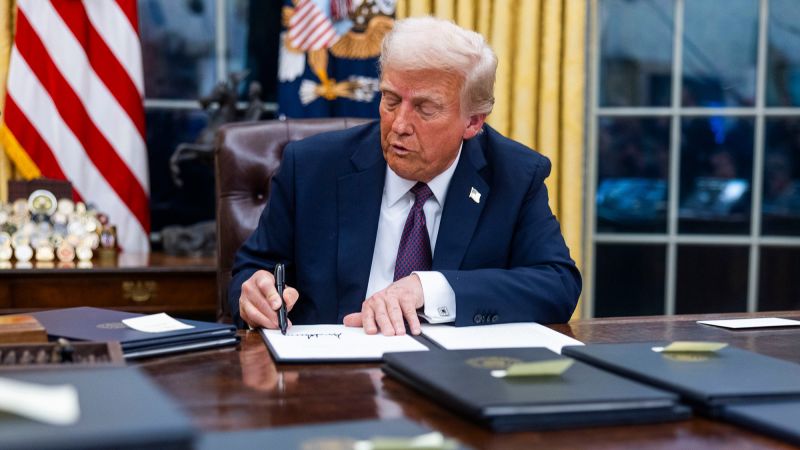
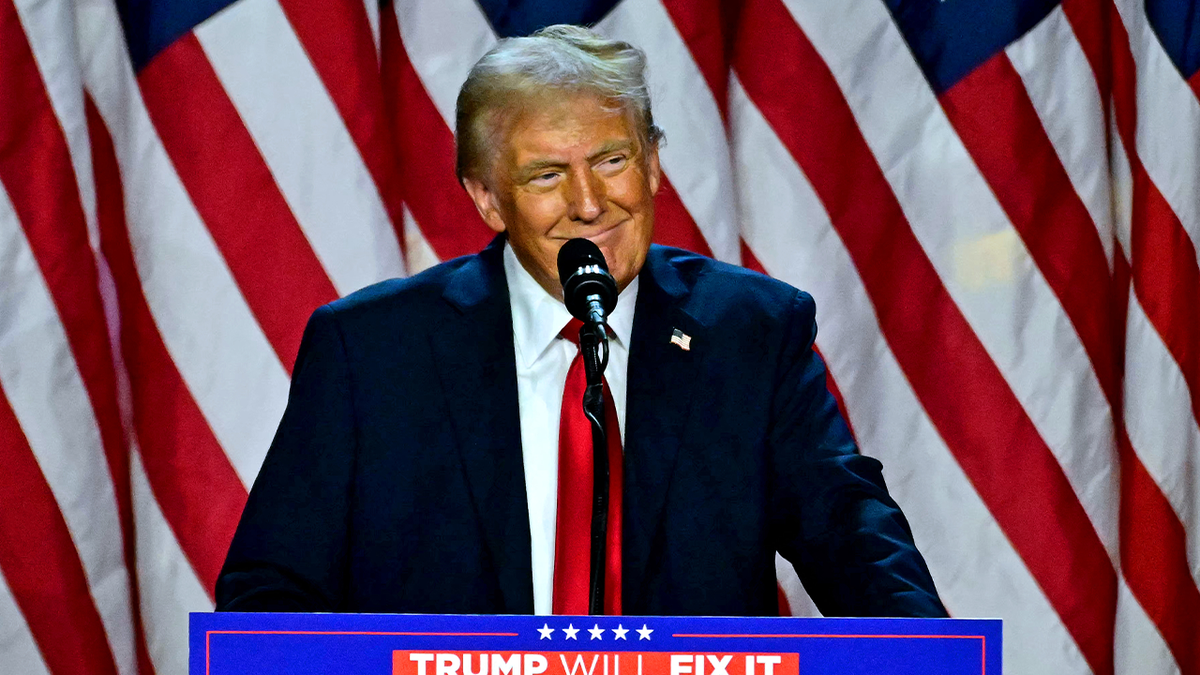
Donald John Trump, born June 14, 1946, in Queens, New York, is an American businessman, media personality, and politician who has served as the 45th and 47th president of the United States. He graduated from the University of Pennsylvania's Wharton School with a degree in economics in 1968 and took over his family’s real estate business in 1971, renaming it the Trump Organization. Over decades, he expanded the company’s holdings into skyscrapers, hotels, casinos, and golf courses, building a high-profile brand often associated with luxury and real estate development. Trump also gained fame as the host of the reality TV show *The Apprentice* from 2004 to 2015[1][3][7]. Trump entered politics as a Republican and won the presidency in 2016, defeating Democrat Hillary Clinton in an unexpected victory. His tenure from 2017 to 2021 was marked by significant policy shifts, including tightening immigration controls, imposing a travel ban on several Muslim-majority countries, expanding the U.S.–Mexico border wall, rolling back environmental regulations, implementing major tax cuts, and appointing three Supreme Court justices. His foreign policy included withdrawing the U.S. from international agreements on climate change and Iran’s nuclear program, and initiating a trade war with China. Trump's handling of the COVID-19 pandemic was widely criticized for downplaying the virus's severity. After losing the 2020 election to Joe Biden, he challenged the results, culminating in the January 6, 2021, Capitol attack. Trump was impeached twice but acquitted both times by the Senate[1][2]. In a historic political comeback, Trump was re-elected and inaugurated for a second non-consecutive term on January 20, 2025, becoming the oldest president to assume office at age 78. He remains a highly influential and polarizing figure in American politics[2][7]. Trump is married to Melania Trump, with whom he has one son, Barron, and has four adult children from previous marriages. He has authored several books, including *The Art of the Deal*, a business bestseller[3][5][7].