Broadway Performers Challenge 'The Show Must Go On' Amid Brutal Winter Storm
#broadway #winter_storm #cancellations #safety #labor_issues
Broadway Performers Challenge 'The Show Must Go On' Amid Brutal Winter Storm
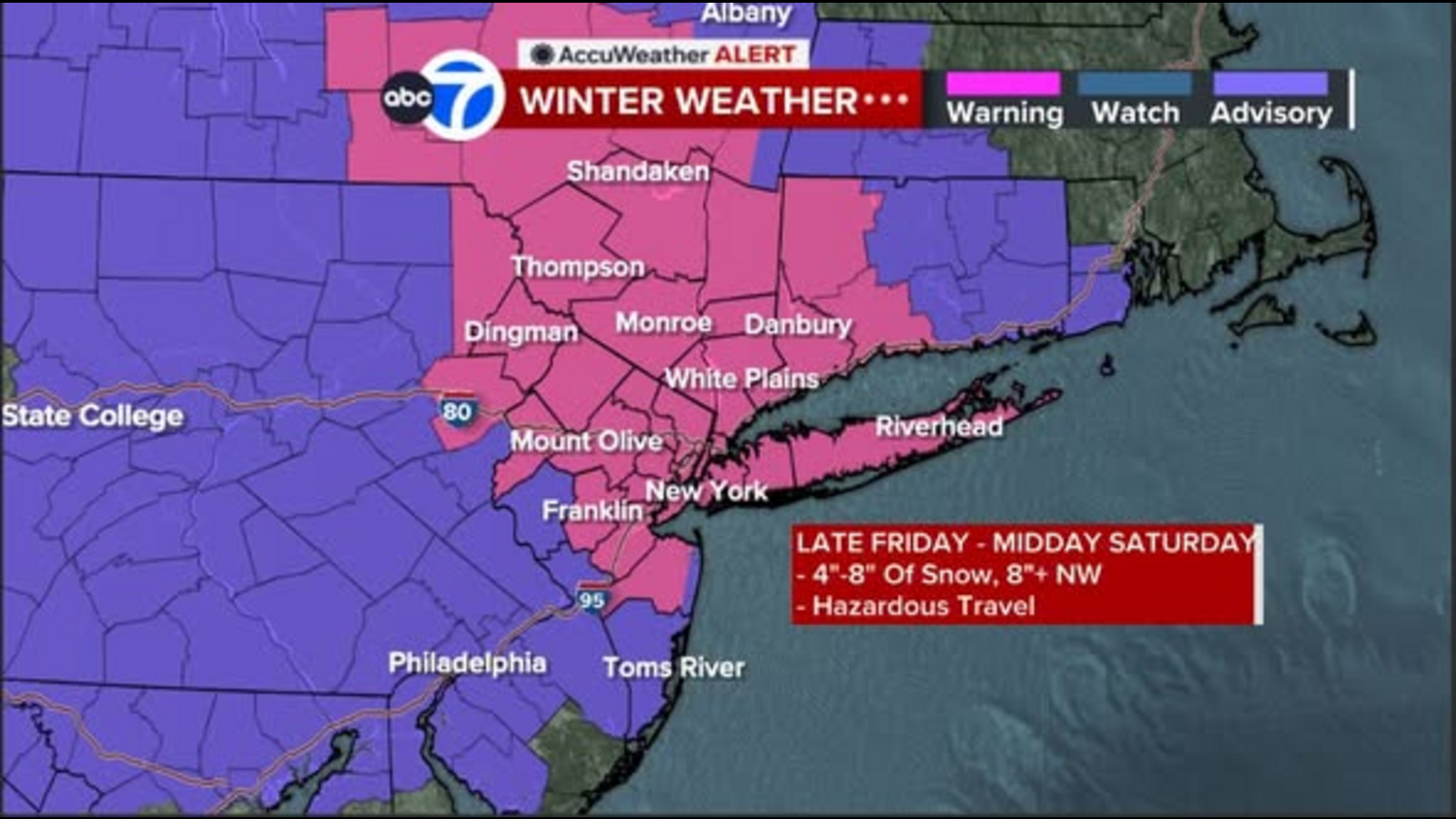
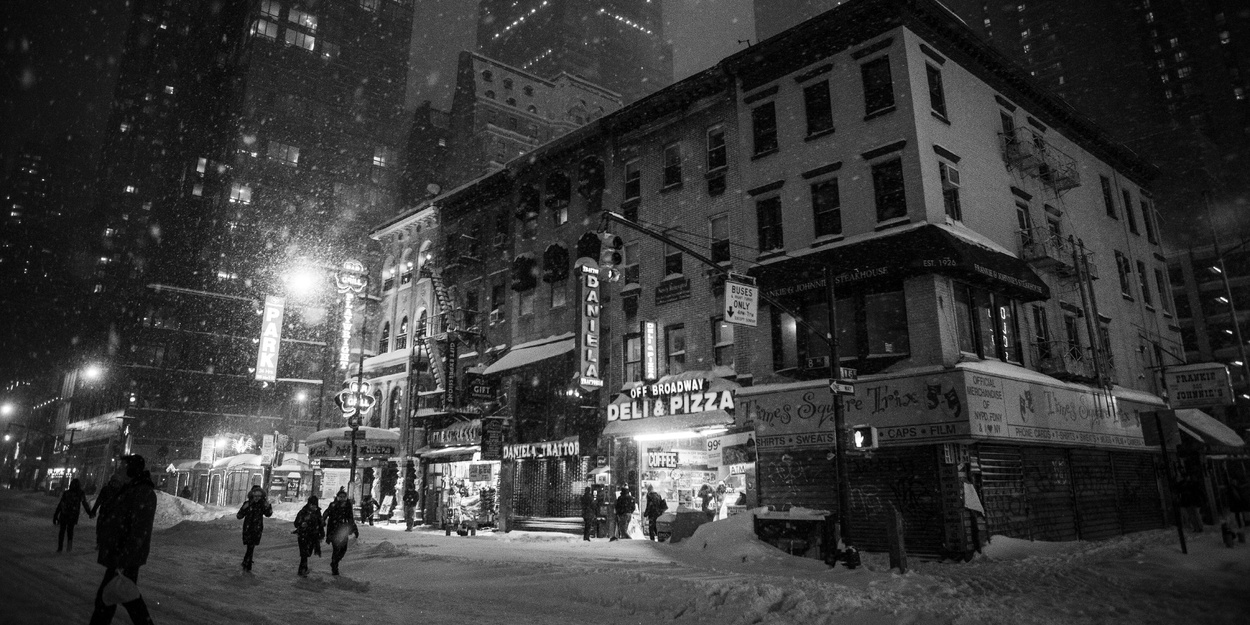
As a massive winter storm dumped heavy snow across the tri-state area on January 25, 2026, Broadway performers voiced strong pushback against the ingrained 'show must go on' mentality. With New York and New Jersey under states of emergency, hazardous conditions led to widespread cancellations, prioritizing cast and crew safety over tradition.[1][2][4]
Cancellations Sweep the Great White Way
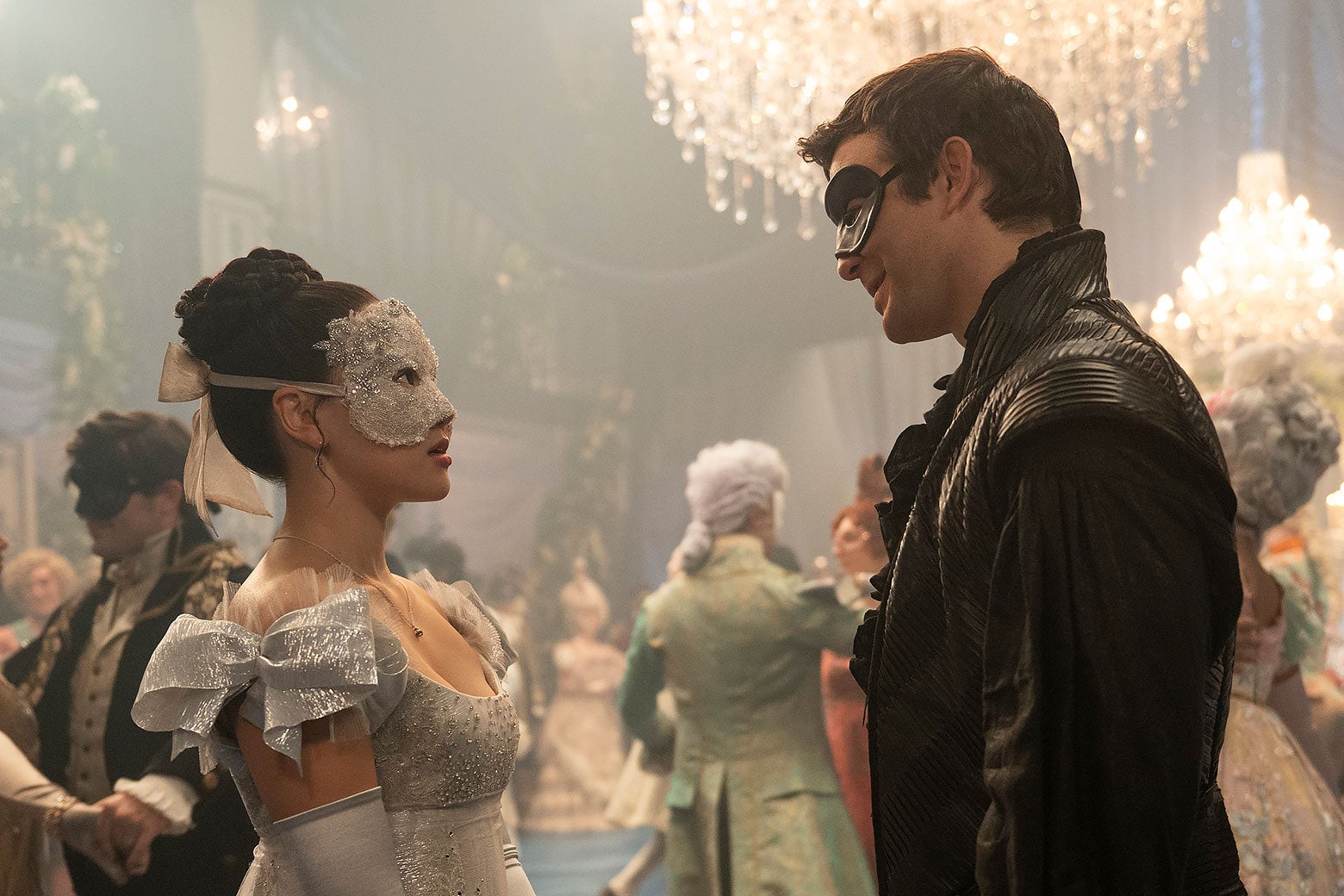
Shows like Aladdin, The Lion King, Ragtime, The Book of Mormon, and MJ The Musical axed Sunday performances, joining Off-Broadway hits such as Heathers: The Musical. While the Broadway League initially planned to proceed, individual producers rescheduled amid forecasts of 8-12 inches of snow, sleet, and icy roads. New Jersey Transit halted services, stranding commuters and fueling performer concerns over dangerous travel.[2][5][1]
Safety First Signals Industry Shift
Performers highlighted fatigue from grueling schedules in perilous weather, echoing past blizzards in 2015-2016 that shuttered Broadway entirely. Refunds and rescheduling to January 27 offer relief, sparking discussions on updating policies to protect artists amid climate unpredictability. This storm underscores a vital evolution toward well-being.[3][4][5]
About the Organizations Mentioned
Broadway League
**The Broadway League** is the national trade association championing the Broadway theatre industry, uniting over 700 members—including theatre owners, operators, producers, presenters, general managers, and suppliers—across New York City and more than 200 North American cities.[1][2][3] Founded in 1930 as the League of New York Theatres and Producers, it emerged to combat ticket scalping and speculation, protecting patrons, producers, and brokers from exploitative practices.[1][3] Its charter quickly evolved: by 1938, it became Broadway's official bargaining unit with unions like Actors' Equity, negotiating labor agreements with 14 guilds.[1] Renamed over time—from League of American Theatres and Producers to its current form—the organization expanded to support touring shows, audience outreach, and industry advocacy.[1][5] Key achievements spotlight its influence. The League co-presents the prestigious Tony Awards with the American Theatre Wing since 1967, where full members vote after verifying show viewings; it also honors touring excellence via League Awards and educators through Apple Awards.[1][2][5] Post-9/11, it collaborated with Mayor Rudy Giuliani to reopen theatres just two days after the attacks, showcasing resilience.[5] Programs like Kids' Night on Broadway and Viva Broadway drive audience development, while research reports on box office grosses and demographics inform stakeholders.[1][3] Today, the League fosters profitable productions reaching 30 million annually via Broadway and tours generating hundreds of millions in grosses.[2][3][5] It lobbies for policy, promotes accessibility (e.g., adjusted curtain times), and advances inclusion through "Belonging on Broadway," committing to diverse hiring and inclusive cultures.[3][7] As a full-service hub, it strengthens live theatre's pinnacle status amid evolving entertainment landscapes.[3][6] (Word count: 298)
New Jersey Transit
New Jersey Transit (NJ Transit) is the largest statewide public transportation system in the United States, operating an extensive network of bus, commuter rail, and light rail services across New Jersey, with connections into New York and Pennsylvania. Serving a service area of 5,325 square miles, NJ Transit is also the third-largest transit provider in the country by ridership, with over 225 million trips taken annually as of 2024[2][5]. It connects major commercial, employment, and residential centers, facilitating regional mobility in a densely populated corridor. Founded in the late 1970s to consolidate and enhance New Jersey’s fragmented transit services, NJ Transit has grown to operate 260 bus routes, 12 commuter rail lines, and three light rail lines, with more than 164 rail stations, 60 light rail stations, and over 18,000 bus stops[5]. It also manages the Access Link paratransit service, providing curb-to-curb transportation for individuals with disabilities throughout most of the state, assisting more than 470,000 passengers annually[1]. NJ Transit plays a vital role in regional transportation hubs like Newark, which serves as a key nexus for multiple commuter rail lines, light rail routes, and connections to PATH and bus services, integrating New Jersey with New York City and Philadelphia[3]. The agency also operates over 130 park-and-ride facilities, supporting commuters who combine driving with transit use[1]. The NJ Transit Police Department ensures security across all transit properties, maintaining safety for its millions of daily riders[2]. In recent years, NJ Transit has focused on modernizing infrastructure, improving customer experience, and expanding service reliability, underscoring its commitment to safe, affordable, and accessible transportation[6][8]. The organization is notable not only for its scale but also for its integration of multiple transit modes, strategic regional connectivity, and contribution to economic vitality in the Northeast corridor.