Winter Storm Warning Grips NYC and Tri-State Area
Winter Storm Warning Hits NYC and Tri-State Area
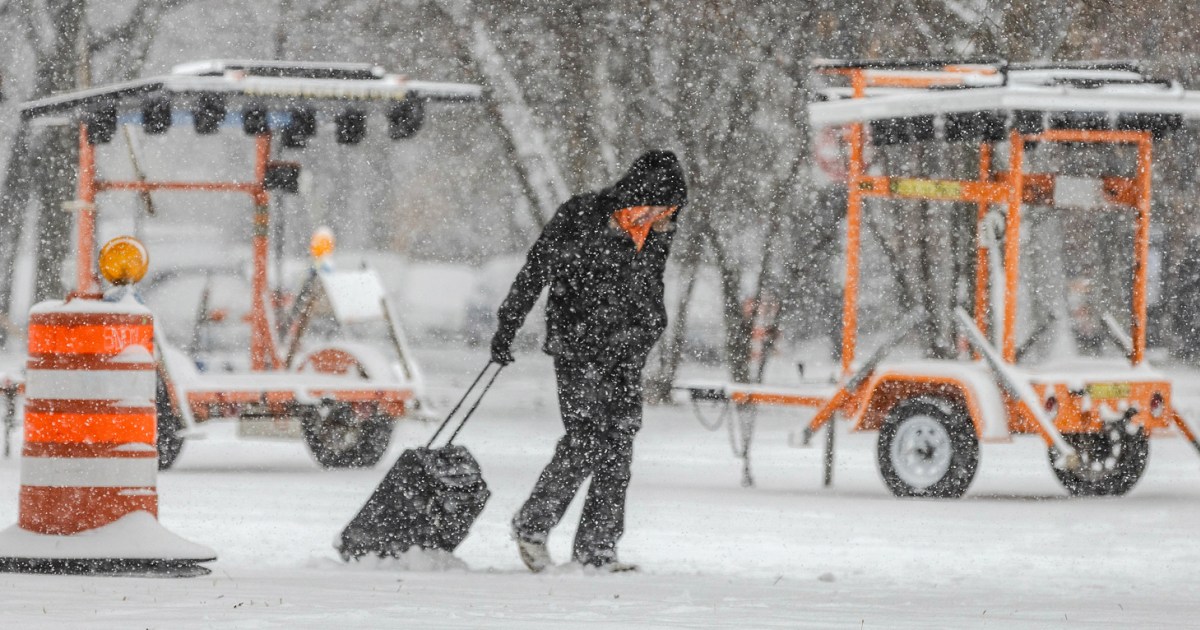
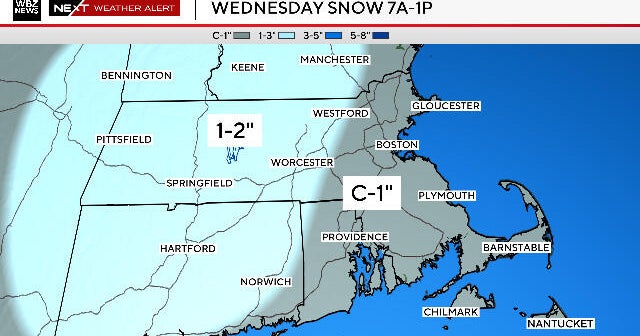
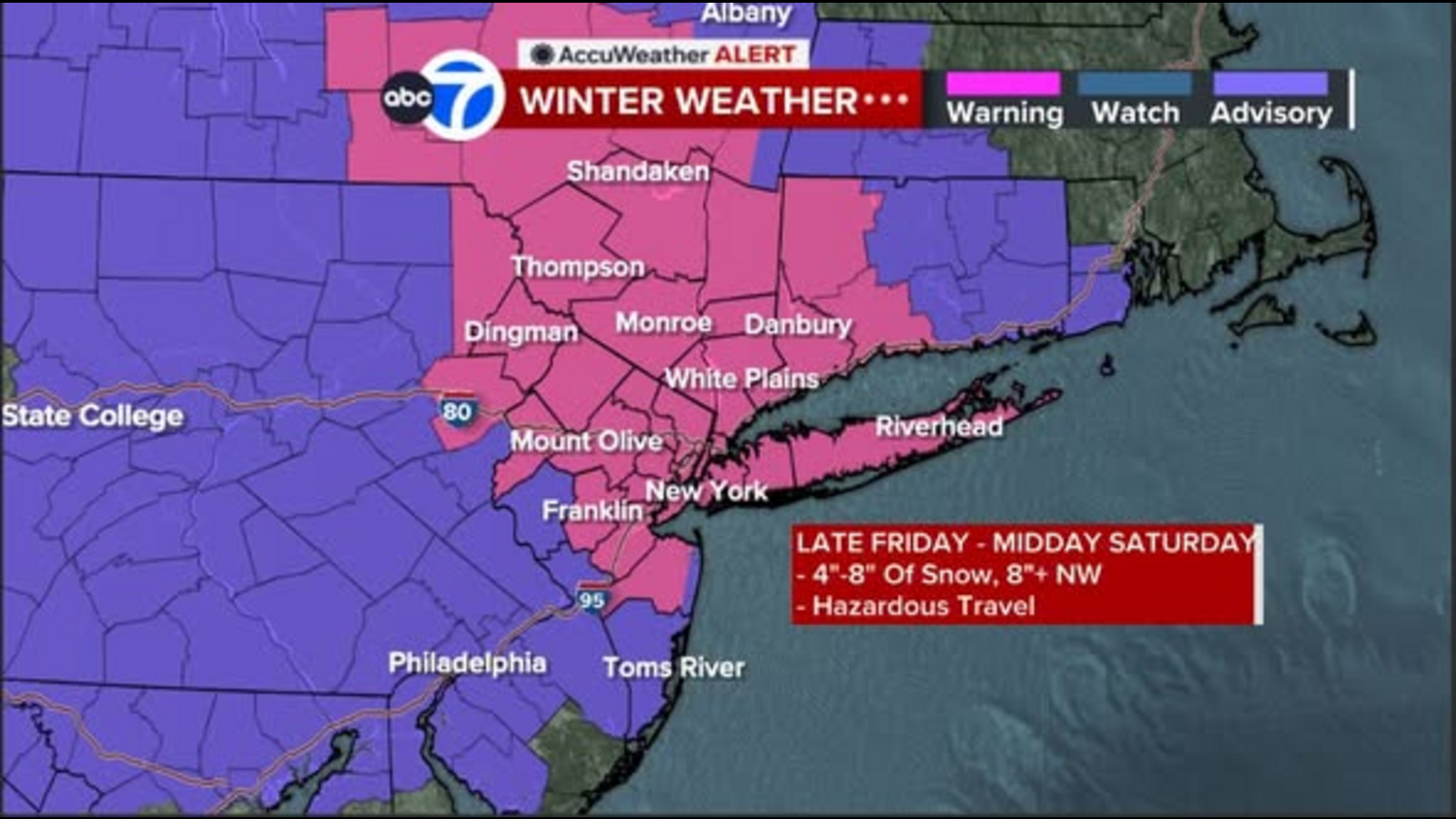
A powerful winter storm triggered a Winter Storm Warning across New York City and the Tri-State region, delivering widespread snow from Friday night into Saturday morning. Heavy snowfall blanketed the area, with accumulations reaching up to 10 inches in parts of NYC and New Jersey, as reported by the National Weather Service. Forecasts predicted 5 to 12 inches overall, accompanied by wet snow, sleet, and freezing rain near the 32-degree line.[1][2]
Impacts and Current Conditions
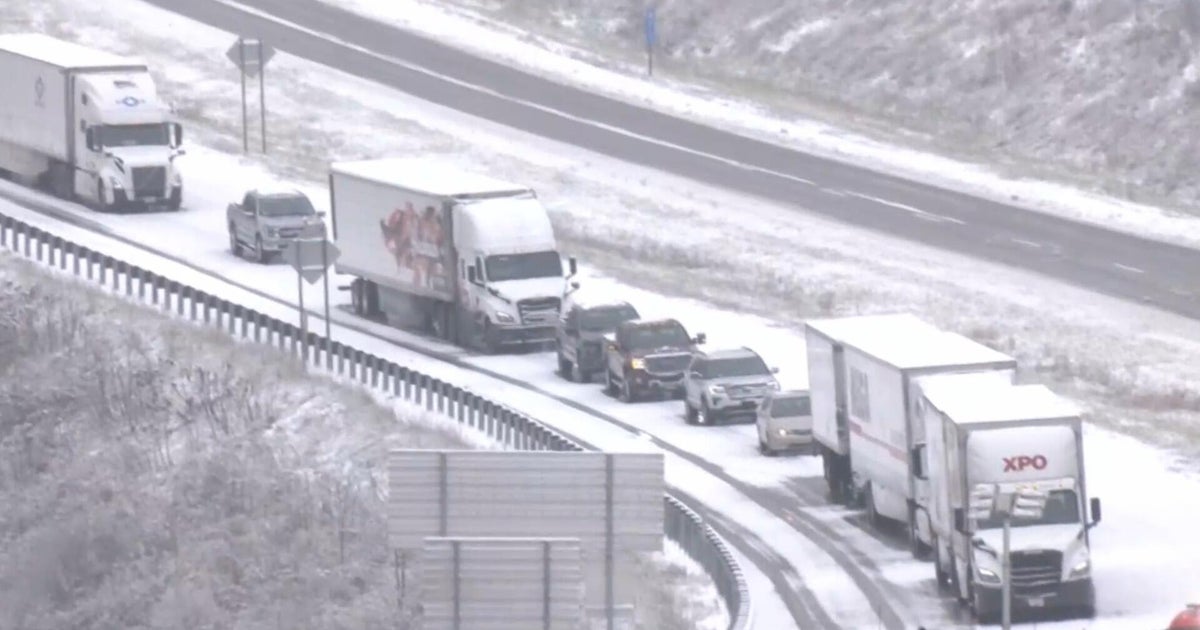
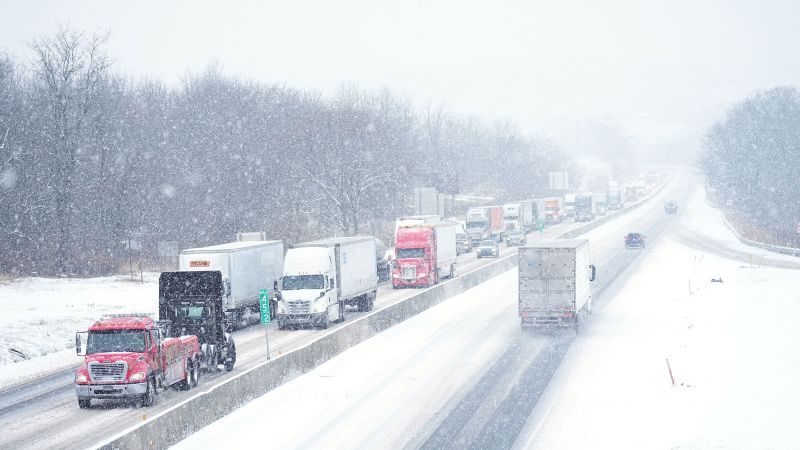
The storm caused slick roads despite salting and plowing efforts, prompting NYC's Department of Sanitation to deploy workers on 12-hour shifts. Acting Commissioner Javier Lojan urged patience and caution, noting streets remain icy even after treatment while handling regular trash collection.[3] Travel disruptions and potential power outages highlighted the storm's intensity across the region.
Storm Aftermath and Safety Tips
As the snowstorm winds down on this Saturday, residents face lingering hazards from heavy snow and ice. Authorities recommend avoiding unnecessary travel, checking road conditions, and preparing for possible delays. This event underscores winter's unpredictability in the Northeast, reminding us to stay informed via local forecasts.[1][3]
About the Organizations Mentioned
National Weather Service
The **National Weather Service (NWS)** is a U.S. federal agency under the National Oceanic and Atmospheric Administration (NOAA) dedicated to providing weather, hydrologic, and climate forecasts and warnings across the United States, its territories, and adjacent waters. Its primary mission is to protect life and property and enhance the national economy by delivering timely, accurate, and science-based environmental predictions[1][2][5][6]. Founded in the late 1800s, the NWS has evolved into a comprehensive weather monitoring and forecasting organization. It operates through a nationwide infrastructure comprising 122 Weather Forecast Offices (WFOs), 13 River Forecast Centers (RFCs), and 9 specialized national centers including the National Hurricane Center, Storm Prediction Center, and Space Weather Prediction Center, among others[1][3][4]. These centers utilize advanced technology such as Doppler radars (WSR-88D), satellite data, automated surface observing systems, and sophisticated computer models to gather and analyze atmospheric data continuously[7]. Key achievements of the NWS include the development of impact-based decision support services that aid emergency management, aviation, marine operations, and the general public in preparing for hazardous weather events. The agency issues around 1.5 million forecasts and 50,000 warnings annually, significantly contributing to disaster preparedness and response efforts[4][6]. The 2011 Strategic Plan emphasizes building a “Weather-Ready Nation” by leveraging advancements in science and technology to anticipate future service needs and improve societal resilience to weather-related threats[4]. Currently, the NWS employs about 4,800 staff members and operates with a budget nearing $930 million. Its organizational structure includes a Chief Information Officer, Chief Financial Officer, and multiple operational and scientific divisions that ensure continuous innovation and service improvement. The agency’s commitment to integrating hydrologic and climate data with weather forecasting positions it as a critical player in environmental intelligence, supporting both governmental and private sectors[2][3][5
NYC's Department of Sanitation
The **New York City Department of Sanitation (DSNY)** is the municipal agency tasked with keeping the city clean, safe, and healthy by managing over 24 million pounds of daily trash and recyclables through curbside collection, street sweeping, snow removal, and enforcement of sanitation laws.[1][5][7] Established under the NYC Charter, DSNY oversees garbage, recycling, and organic waste from residents, agencies, and institutions, operating the city's primary waste management system via its Bureau of Cleaning and Collection.[1][8] This includes cleaning vacant lots, removing abandoned vehicles, and tackling illegal dumping, while specialized units like the Permit Inspection Unit shut down illicit transfer stations and the Environmental Enforcement Unit regulates asbestos, medical waste, and hazardous materials disposal.[1][2] Historically, DSNY has evolved into a powerhouse of urban logistics, partnering with contractors like Waste Management and Covanta to process millions of tons annually at modern facilities such as the East 90th Street Marine Transfer Station (opened 2019), which uses enclosed, negative-pressure buildings for efficient, odor-controlled operations.[3] Key achievements include deploying tech-driven routing for collection trucks, graffiti removal services via 311, and free Clean Buildings Trainings to boost recycling compliance.[5][7] Today, DSNY enforces strict rules—like mandatory food scrap separation since April 1, 2025, with fines for non-compliance—and clears snow volumes equivalent to stadiums in major storms.[5][7] With a workforce handling residential and public waste amid NYC's density, it leverages data analytics for vendor allocation across districts, minimizing street congestion.[3] Notable for business-tech angles, DSNY's open data initiatives (e.g., NYC Open Data Week demos) highlight scalable waste networks, AI-optimized fleets, and sustainable processing, positioning it as a model for smart-city infrastructure amid growing urban waste challenges.[3][4] Its proactive enforcement, issuing summonses to "Si