Chicago Budget Breakthrough: Mayor Johnson Advances Alternative Plan
Chicago's Budget Breakthrough: Mayor Johnson Advances Alternative Plan
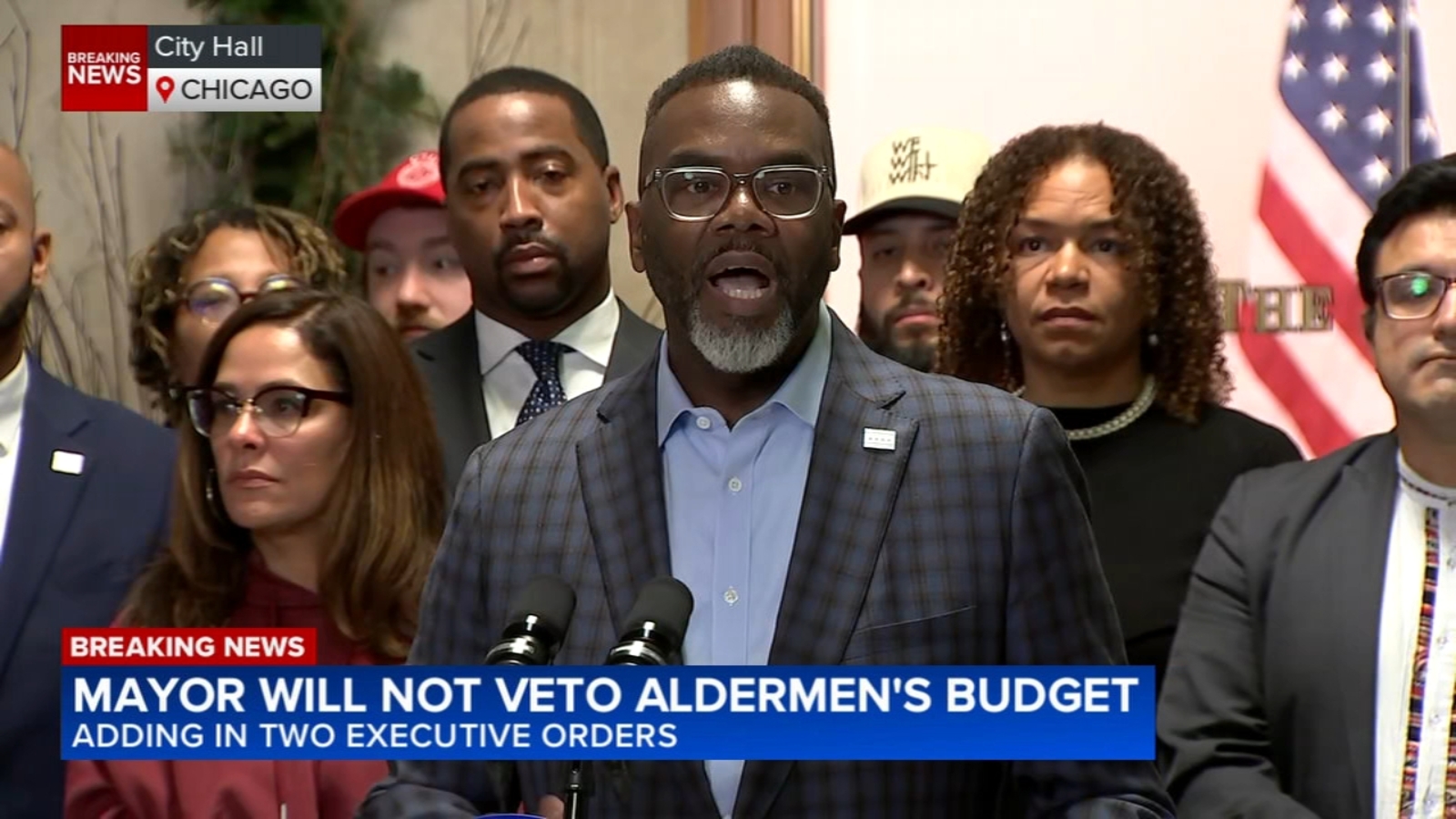
Chicago Mayor Brandon Johnson announced Tuesday he will proceed with the alternative city budget passed by the City Council over the weekend, marking a pivotal shift in fiscal strategy.[1][2] This decision follows intense deliberations, sidestepping a veto and ensuring continuity amid economic pressures. The plan, adopted December 16, 2024, with subsequent revisions, balances revenue needs without the failed property tax levy.[1]
Key Elements of the 2026 Budget
The $16.6 billion blueprint incorporates amendments to municipal codes, motor fuel tax allocations, and management ordinances, prioritizing essential services like public safety and infrastructure.[1][3] Unlike the mayor's original proposal, this version reflects council compromises, avoiding deep cuts while addressing rising costs in housing and transportation. Johnson's neither-sign-nor-veto stance allows implementation by default, stabilizing city operations.[2]
Implications for Chicago Residents
This move promises fiscal prudence, potentially averting service disruptions and supporting progressive investments in education and equity. As 2026 unfolds, residents can expect enhanced transparency through detailed budget documents, fostering accountability and long-term growth in the Windy City.[1][3]
About the Organizations Mentioned
City Council
**City councils** serve as the elected legislative bodies of municipalities across the U.S., wielding authority to enact local laws, approve budgets, and shape community policies that directly impact daily life—from zoning and public safety to economic incentives for businesses.[1][2][3] These part-time officials, often called councilmembers, aldermen, or commissioners, represent districts and collaborate in public meetings to vote on ordinances, set tax rates, regulate land use, and oversee city services like water utilities and infrastructure.[1][4][5] Historically, city councils evolved from early American local governance models, adapting through charters and state laws into structures like mayor-council (where councils check mayoral power) or council-manager systems, which appoint professional managers for operations.[3][5][8] In places like Salt Lake City, councils double as boards for reinvestment agencies, driving urban renewal since their formalization in the 19th century amid rapid municipal growth.[1] Key achievements include fostering economic development via business licenses, tax breaks, and contracts, while tackling modern challenges like cybersecurity, disaster response, and aging infrastructure—vital for tech-savvy cities attracting startups and innovation hubs.[3][4] Councils approve funding for parks, emergency preparedness, and events, boosting local commerce and civic engagement.[2][3] Currently, councils remain dynamic, prioritizing long-term goals such as sustainable tech infrastructure and equitable growth, with members elected to four-year terms and annual leadership like chairs for agenda-setting.[1][7] They balance oversight without micromanaging executives, using committees for efficiency on issues like public health and eminent domain.[4][5] Notably, in business and technology contexts, councils incentivize innovation through zoning for data centers, fiber networks, and green tech, while navigating fiscal pressures—making them unsung engines of urban progress. Their transparent, constituent-driven decisions ensure cities stay competitive in a fast-evolving landscape.[2][6] (Word count: 29