Chile's Tense Presidential Runoff: Kast vs Jara Shaping the Nation

Chile's Tense Presidential Runoff Unfolds
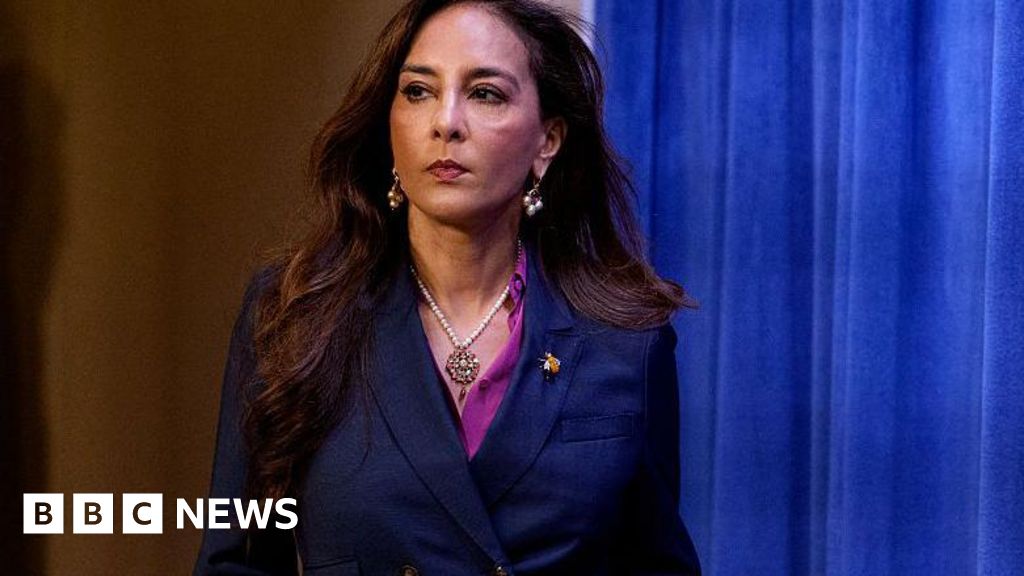
Chileans head to the polls on Sunday for a pivotal presidential runoff, pitting far-right leader José Antonio Kast against Communist candidate Jeannette Jara. Kast, a vocal admirer of Augusto Pinochet's regime, leads polls amid widespread discontent with President Gabriel Boric's administration, plagued by 62% disapproval over economic stagnation and security woes. In the first round, Jara edged Kast with 26.8% to his 23.9%, but right-wing endorsements from Johannes Kaiser and Evelyn Matthei have bolstered his momentum, capturing nearly 70% of conservative votes combined.
Kast's Rise and Controversial Platform
Kast's ultraconservative agenda promises strict immigration controls, including border ditches and mass deportations, alongside maximum-security prisons. Critics highlight his evasive tactics in debates, dodging questions on pardoning Pinochet-era figures like Miguel Krassnoff. Analysts note his strategy of minimal specifics, confident in a foretold victory as the left resigns to defeat. Populists like Franco Parisi's voters remain pivotal, split between abstention and leaning right.
Implications for Chile's Future
A Kast win signals a sharp rightward shift, potentially ushering market-friendly reforms and echoing 2000's upset. Yet, history questions if continuity falters under public ire, reinventing Chile's polarized politics amid compulsory voting's return.
About the People Mentioned
José Antonio Kast
José Antonio Kast, born in 1966 in Santiago, Chile, is a lawyer, devout Catholic, father of nine, and founder of the Republican Party. He earned a law degree from the Catholic University of Chile, co-founded a law firm in 1989, and taught civil and commercial law there.[3][2][6] Kast's political career began in the ultra-conservative Independent Democratic Union (UDI), where he served as a Buin city councillor (1996-2000) and Chamber of Deputies member (2002-2018), representing Santiago districts. He rose to UDI general secretary but resigned in 2016, criticizing its moderation, and founded the Republican Party in 2019 alongside the Republican Ideas think tank.[1][2][4][6] A firm conservative, Kast opposes abortion (including rape cases), euthanasia, divorce, same-sex marriage, and emergency contraception. He has expressed admiration for Augusto Pinochet's dictatorship, though his legislative record focused on niche issues like statues, nun citizenship, and lotteries.[2][4][6] Born to German immigrants—his father a WWII Nazi Party member who arrived post-war and ran a sausage business—Kast denies family Nazi ties or regime collaboration in Paine.[1][2][4] He ran for president independently in 2017 (7.93% vote) and with Republicans in 2021, winning the first round but losing the runoff to Gabriel Boric. In Chile's December 2025 election, Kast secured a landslide victory with over 58% (more than 7 million votes, a record) against Jeannette Jara, triumphing in every region amid crime and migration fears.[1][2][4][8] As president-elect at age 59, Kast vows an "iron fist" on crime—hunting, judging, and jailing delinquents—plus mass deportations of undocumented migrants, mainly Venezuelans, signaling a far-right shift in South America.[1][2][8] He also leads the Political Network for Values and critiques leftist regimes like Venezuela's.[3][5]
Jeannette Jara
Jeannette Alejandra Jara Román, born on April 23, 1974, in Conchalí, Santiago, Chile, is a Chilean lawyer, public administrator, and politician affiliated with the Communist Party of Chile.[3][5] From a humble background, she worked as a farm worker, street food vendor, and product promoter before studying at the University of Santiago de Chile, where she earned degrees in public administration and a master's in management and public policy, followed by a law degree from Universidad Central.[1][2][5] An early activist, she joined the Communist Youth at age 14, led student protests for democratization post-Pinochet, and served as president of the University of Santiago's student federation in 1997.[1][5] Jara's public career began in the Internal Revenue Service and the Civil Servants’ Association, advancing to roles in the Ministry of Social Development and Ministry of Labor.[1] She was Undersecretary of Social Security under President Michelle Bachelet from 2016 to 2018.[3][5][6] In 2022, President Gabriel Boric appointed her Minister of Labor and Social Welfare, a position she held until 2025.[3][4] As labor minister, Jara achieved landmark reforms through tripartite negotiations with employers, unions, and government: reducing the workweek from 45 to 40 hours; increasing the minimum wage by over 50%—the largest real hike in three decades; advancing pension reform after a decade of debate; ratifying ILO Conventions 190 and 176 on workplace violence and safety; and passing laws for work-life balance and harassment prevention.[1][2][4][5] These successes highlighted her negotiation skills and bridged worker and business interests.[1][4] In 2025, Jara won her coalition's presidential primary in June with over 60% of votes, gaining historic Christian Democratic support.[1][3] She topped the first-round presidential election on November 16 with 27%, advancing to a runoff against right-wing José Antonio Kast on December 14, which she lost.[2][3][6] Her campaign emphasized unity, public safety with a social focus, economic security via a $800 monthly living income, infrastructure, and housing, building on Boric-era gains.[2] At 51, Jara remains a key left-wing figure, noted for her pragmatic style over dogmatic communism.[6][7]