Trump Administration Targets Fulton County in 2020 Election Lawsuit
Trump Administration Targets Fulton County in 2020 Election Lawsuit
The Trump administration has filed a lawsuit against Fulton County, Georgia, demanding 2020 election records amid ongoing claims of a rigged vote against Joe Biden. The Department of Justice alleges the county failed to comply with a federal subpoena for critical materials, including used ballots, void ballots, and signature envelopes. This action revives scrutiny on the Atlanta-area county, a focal point of past election disputes.
Details of the Legal Push
Fulton County officials previously stated these records were under seal, requiring a court order for release, but the DOJ presses forward. The suit mirrors broader efforts, with similar actions against 18 states for voter registration lists. Despite numerous audits and court rulings affirming the election's integrity, the administration persists in challenging results without new reliable evidence.
Implications for Election Oversight
This lawsuit underscores persistent tensions over 2020 voting processes, potentially influencing future federal probes into local election management. Critics argue it sows doubt in democratic institutions, while supporters see it as necessary transparency. As legal battles unfold, they highlight the enduring divide in American politics.
About the People Mentioned
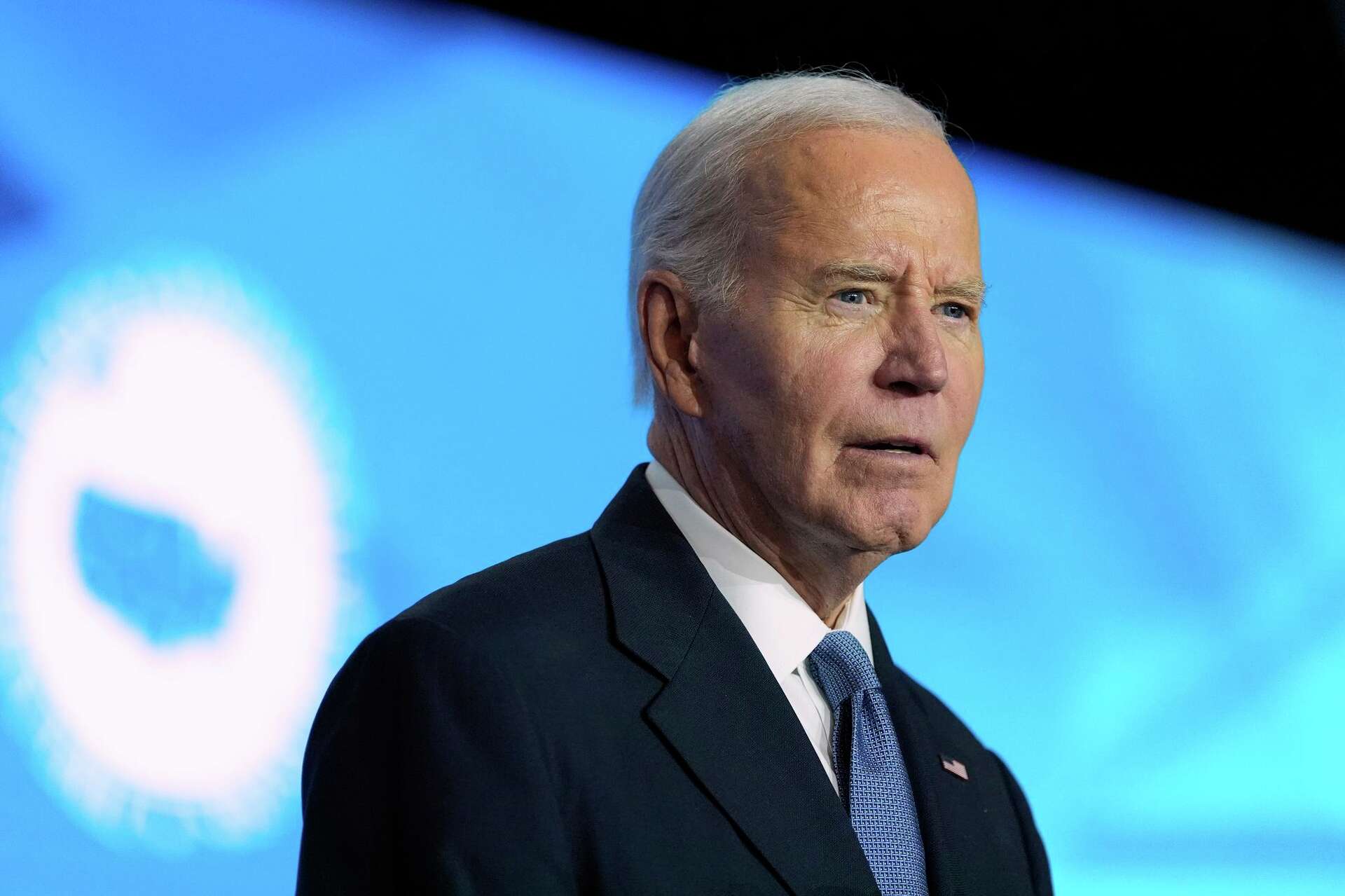
Joe Biden
Joseph Robinette Biden Jr., commonly known as Joe Biden, is the 46th President of the United States, serving from 2021 to 2025. Born on November 20, 1942, in Scranton, Pennsylvania, Biden moved to Delaware with his family in 1953. He graduated from the University of Delaware in 1965 and Syracuse University Law School in 1968. Before entering national politics, Biden served on the New Castle County Council and later became one of the youngest U.S. Senators at the age of 29, representing Delaware from 1973 to 2009. During his Senate career, Biden chaired the Senate Judiciary Committee and Foreign Relations Committee. He played a crucial role in drafting several significant pieces of legislation, including the Violence Against Women Act and the Violent Crime Control and Law Enforcement Act. Biden also oversaw several U.S. Supreme Court confirmation hearings. In 2008, he was chosen by Barack Obama as his vice presidential running mate, serving two terms as the 47th Vice President of the United States. In 2020, Biden won the presidential election, defeating incumbent President Donald Trump. As President, he focused on rebuilding America's international leadership and implementing policies to address economic recovery and social issues. Biden's presidency concluded on January 20, 2025, when Donald Trump returned to office. Recently, Biden announced that he had been diagnosed with Stage 4 prostate cancer. Despite his health challenges, Biden remains a figure of national interest, with ongoing discussions about his political legacy and influence. His dedication to public service and his efforts to expand opportunities for Americans have been central themes throughout his career.
About the Organizations Mentioned
Department of Justice
The **United States Department of Justice (DOJ)** is a federal executive department responsible for enforcing federal laws, ensuring public safety, defending the interests of the United States, and upholding civil rights. Established in 1870 to consolidate federal legal affairs under the Attorney General, the DOJ has grown into a vast organization with over 115,000 employees and a budget exceeding $22 billion[1][4][5]. It operates through more than 40 component organizations, including prominent law enforcement agencies such as the Federal Bureau of Investigation (FBI), Drug Enforcement Administration (DEA), Bureau of Alcohol, Tobacco, Firearms and Explosives (ATF), and the U.S. Marshals Service[1][4][5]. The DOJ’s core mission is to uphold the rule of law, keep the nation safe, protect civil rights, and ensure a fair and impartial administration of justice across federal, state, local, tribal, and international levels[2][5]. It investigates and prosecutes federal crimes, including terrorism, drug trafficking, organized crime, financial fraud, and cybercrime. The FBI, as the DOJ’s principal investigative arm, leads in areas such as counterterrorism, counterintelligence, and cybercrime[6]. Additionally, the DOJ manages federal prisons and provides leadership and resources to state and local law enforcement agencies. Historically, the DOJ’s origins trace back to the Judiciary Act of 1789, which created the Attorney General's office. Its establishment as a separate department in 1870 allowed for greater coordination of federal law enforcement and legal representation of the government[2][4]. Over time, the DOJ has played a critical role in landmark civil rights enforcement, combating organized crime, and adapting to modern challenges such as cyber threats and international criminal cooperation[1][5]. Today, headquartered in Washington, D.C., with field offices nationwide and abroad, the DOJ continues to influence national security and justice policy, balancing traditional law enforcement with evolving technological and societal demands.
Fulton County
**Fulton County, Georgia**, is a dynamic north-central Georgia county governing over 1.1 million residents across 529 square miles, delivering essential public services through more than 40 departments under a seven-member Board of Commissioners.[2][3][5] Named after steamboat inventor Robert Fulton, it originated in 1853 from DeKalb County and consolidated with Milton and Campbell Counties in 1932 amid the Great Depression, creating its distinctive elongated shape spanning North Fulton cities like Alpharetta and Roswell, South Fulton suburbs such as East Point, and central Atlanta.[3][8] The county excels in **public safety, education, and economic vitality**, core to its operations. The Sheriff's Office manages jail operations, V.I.P.E.R. units for event security, warrants, and SWAT tactics—logging 18,000+ community service hours annually—while emphasizing staff training and inmate services.[1] Fulton County Schools, Georgia's fourth-largest district, educates 86,000+ students across 102 schools with 10,900+ employees, uniquely bisected by Atlanta's independent system.[4] Economically, it hosts 109,225 businesses, led by professional services, health care, and tech, bolstered by the Chattahoochee River's resources and Appalachian foothills' appeal.[3][9] **Key achievements** include resilient growth post-consolidation, innovative jail reforms, and a top-tier school system fostering innovation via the Fulton Education Foundation.[1][4] Currently, commissioners like Dana Barrett (District 3, Buckhead) drive initiatives in a region blending urban hubs with suburban expansion.[5] Notable for business and tech enthusiasts: Fulton anchors Atlanta's innovation ecosystem, drawing firms with its educated workforce and strategic location—making it a hotspot for professional services amid Georgia's booming metro economy.[9] (Word count: 298)