DOJ Files Complaint Against Judge Boasberg
Introduction
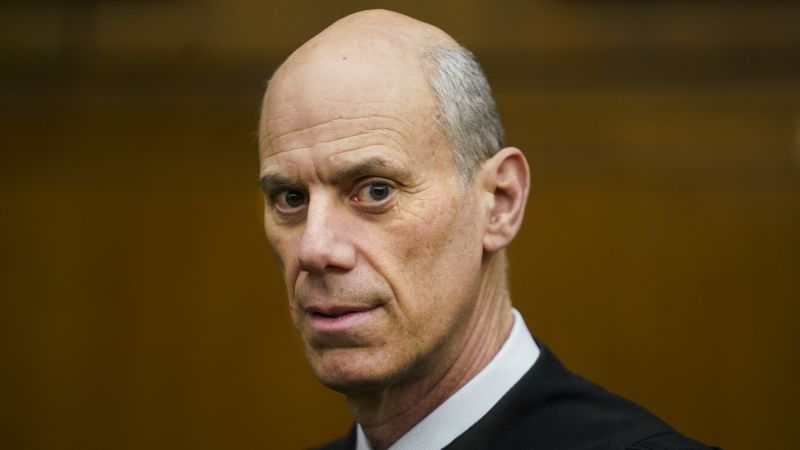
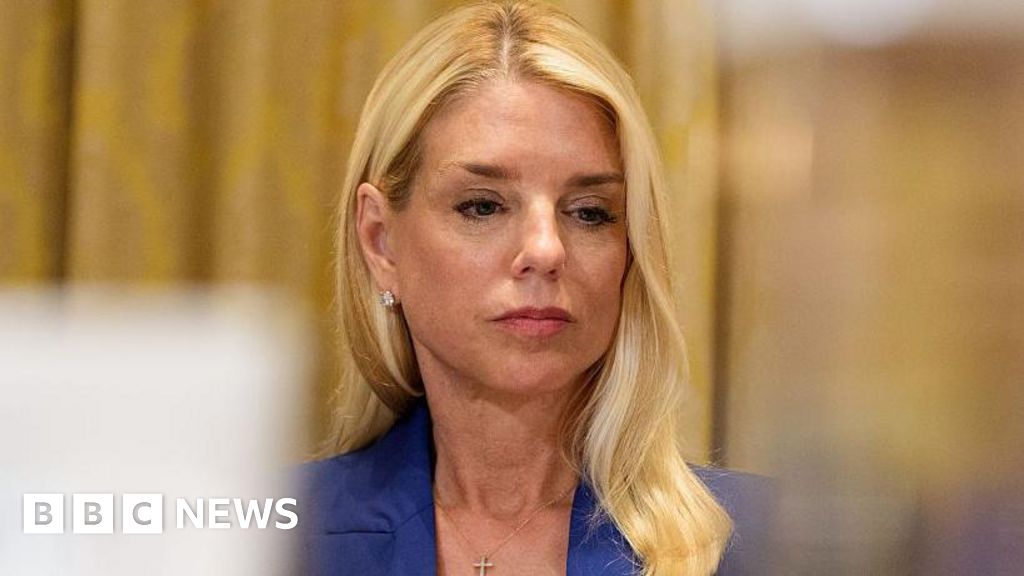
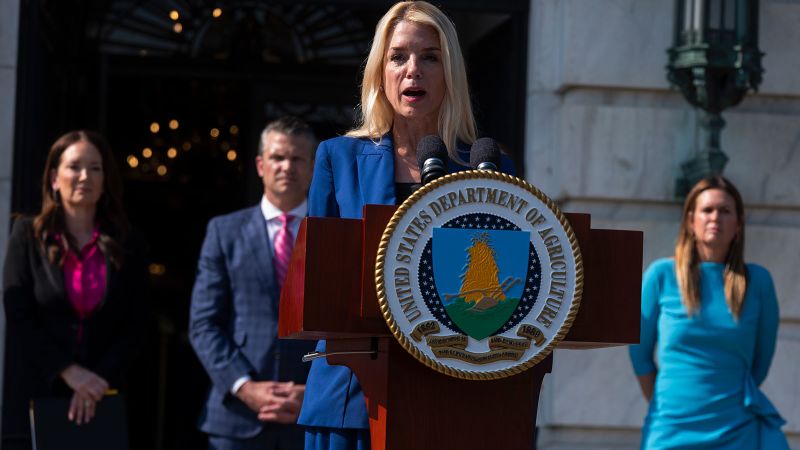
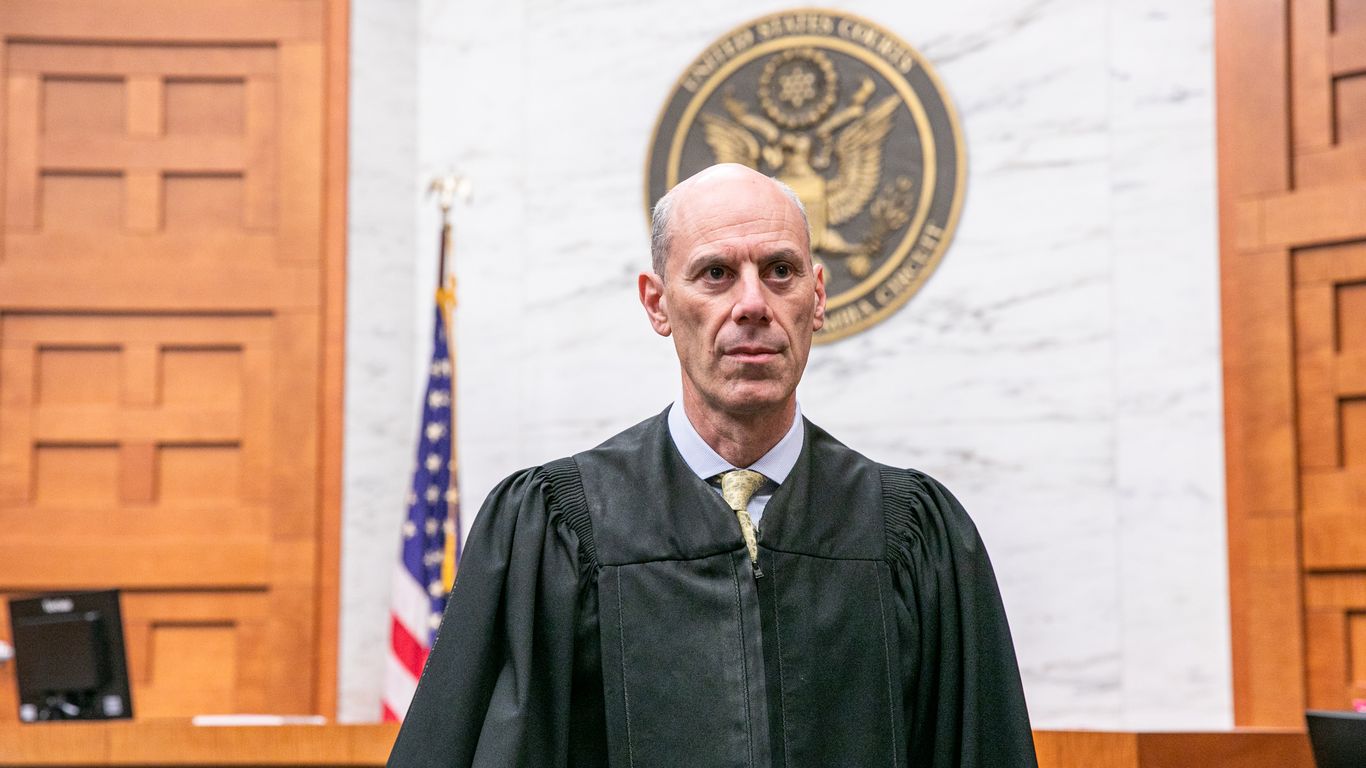
The Department of Justice (DOJ) has filed a complaint against Judge James Boasberg, who gained national attention for his handling of a high-profile deportation case involving President Trump. Florida Attorney General Pam Bondi has accused Boasberg of "making improper public comments about President Trump and his Administration." This complaint comes after Boasberg publicly criticized the Trump administration's immigration policies, calling them "unconscionable" and "cruel."
Details of the Complaint
Bondi's complaint specifically cites Boasberg's comments during a deportation case involving a 10-year-old girl with cerebral palsy. The judge expressed concern for the girl's well-being and criticized the government's actions, leading the DOJ to claim that Boasberg's comments were politically motivated and violated the Code of Conduct for United States Judges. The complaint also notes that Boasberg has a history of making public statements criticizing the Trump administration.
The Impact of the Complaint
This complaint raises questions about the extent to which judges can publicly express their opinions on political matters. It also highlights the ongoing tensions between the Trump administration and the judicial branch. Some legal experts argue that Boasberg's comments were within his rights as a judge and that this complaint could have a chilling effect on judges who wish to speak out against government policies. This case will likely continue to generate controversy and could potentially
About the People Mentioned
Pam Bondi
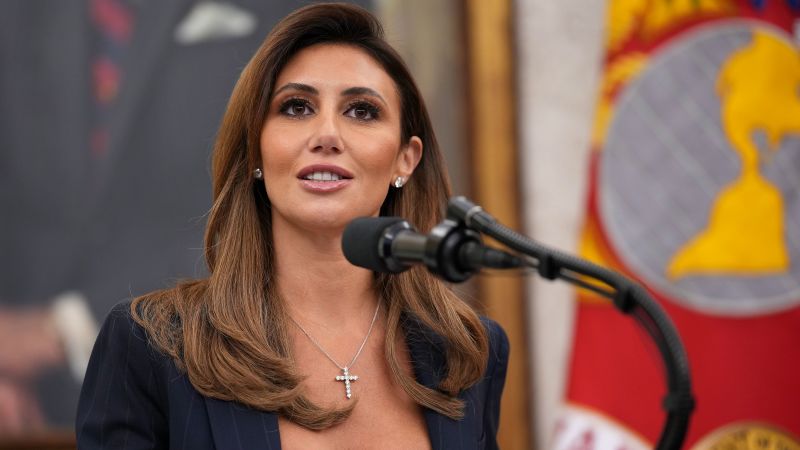
Pam Bondi is an American lawyer and politician who currently serves as the 87th Attorney General of the United States, having been sworn in on February 5, 2025. A fourth-generation Floridian from Tampa, Bondi earned a Bachelor of Arts in Criminal Justice from the University of Florida and a Juris Doctor from Stetson University College of Law. She spent more than 18 years as a prosecutor in Hillsborough County, handling cases ranging from domestic violence to capital murder. Bondi was elected Florida’s 37th Attorney General in 2010, becoming the first woman to hold the position. She served two terms from 2011 to 2019, during which she gained national recognition for her efforts to combat human trafficking, opioid addiction, and fraud. In her first legislative session, she led reforms that shut down 98 unscrupulous clinics contributing to the opioid crisis. She also chaired the Florida Statewide Human Trafficking Council and was appointed to President Trump’s Opioid and Drug Abuse Commission. Bondi played a prominent role in multistate lawsuits against pharmaceutical companies and led a legal challenge to the Affordable Care Act. She was a vocal supporter of President Donald Trump, joining the White House Counsel’s Office in 2019 and serving on the legal defense team during Trump’s first impeachment trial. After leaving public office, she became a partner at the lobbying firm Ballard Partners and held leadership roles at the America First Policy Institute. Bondi was nominated by President Trump to serve as U.S. Attorney General following the withdrawal of his initial nominee, and she was confirmed by the Senate in February 2025. Her career has been marked by a focus on criminal justice reform, public safety, and conservative legal advocacy.
About the Organizations Mentioned
Department of Justice
The **United States Department of Justice (DOJ)** is a federal executive department responsible for enforcing federal laws, ensuring public safety, defending the interests of the United States, and upholding civil rights. Established in 1870 to consolidate federal legal affairs under the Attorney General, the DOJ has grown into a vast organization with over 115,000 employees and a budget exceeding $22 billion[1][4][5]. It operates through more than 40 component organizations, including prominent law enforcement agencies such as the Federal Bureau of Investigation (FBI), Drug Enforcement Administration (DEA), Bureau of Alcohol, Tobacco, Firearms and Explosives (ATF), and the U.S. Marshals Service[1][4][5]. The DOJ’s core mission is to uphold the rule of law, keep the nation safe, protect civil rights, and ensure a fair and impartial administration of justice across federal, state, local, tribal, and international levels[2][5]. It investigates and prosecutes federal crimes, including terrorism, drug trafficking, organized crime, financial fraud, and cybercrime. The FBI, as the DOJ’s principal investigative arm, leads in areas such as counterterrorism, counterintelligence, and cybercrime[6]. Additionally, the DOJ manages federal prisons and provides leadership and resources to state and local law enforcement agencies. Historically, the DOJ’s origins trace back to the Judiciary Act of 1789, which created the Attorney General's office. Its establishment as a separate department in 1870 allowed for greater coordination of federal law enforcement and legal representation of the government[2][4]. Over time, the DOJ has played a critical role in landmark civil rights enforcement, combating organized crime, and adapting to modern challenges such as cyber threats and international criminal cooperation[1][5]. Today, headquartered in Washington, D.C., with field offices nationwide and abroad, the DOJ continues to influence national security and justice policy, balancing traditional law enforcement with evolving technological and societal demands.
Florida Attorney General
## Overview of the Florida Attorney General The Florida Attorney General is a statewide elected constitutional officer who serves as the chief legal officer of the State of Florida[1][3][6]. Mandated by the Florida Constitution, this position is responsible for upholding the rule of law, protecting the rights of Floridians, and ensuring the integrity of the state’s legal system[2][3]. The Attorney General leads the Department of Legal Affairs and is elected to a four-year term[3]. ## Core Functions and Responsibilities The Attorney General’s Office has a broad mandate that includes protecting consumers from fraud, enforcing antitrust laws, and investigating Medicaid fraud to safeguard public funds[1][2]. It defends the state in civil litigation, represents the public in criminal appeals in state and federal courts, and oversees the Office of Statewide Prosecution, which targets major criminal activities such as identity theft, drug trafficking, and organized crime[1][2]. The office also runs programs to assist crime victims and houses specialized units like the Office of Civil Rights, which addresses violations of civil rights, and the Florida Commission on the Status of Women[1]. As a member of the Florida Cabinet—alongside the Chief Financial Officer and Commissioner of Agriculture—the Attorney General participates in key state decisions, including clemency, management of state lands, and oversight of agencies like the Departments of Highway Safety, Law Enforcement, Revenue, and Veterans Affairs[1][3]. The Attorney General also provides formal legal opinions to state officials and defends the constitutionality of state laws[1][2]. ## History and Key Achievements While the search results do not provide a detailed historical timeline, the role has evolved to address emerging challenges such as cybercrime, consumer protection in the digital age, and large-scale fraud schemes. The office has been instrumental in high-profile cases involving antitrust violations, environmental law enforcement, and civil rights[3]. Its proactive stance on consumer protection—especially in areas like data privacy and online scams—