European NATO Allies Bolster Presence in Greenland Amid US Tensions

European NATO Allies Bolster Presence in Greenland Amid US Tensions
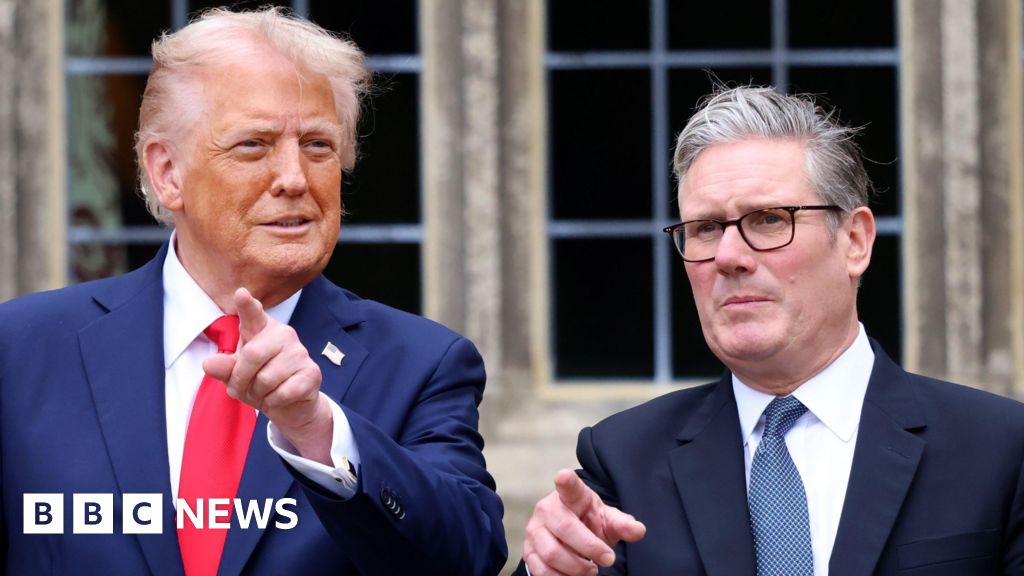
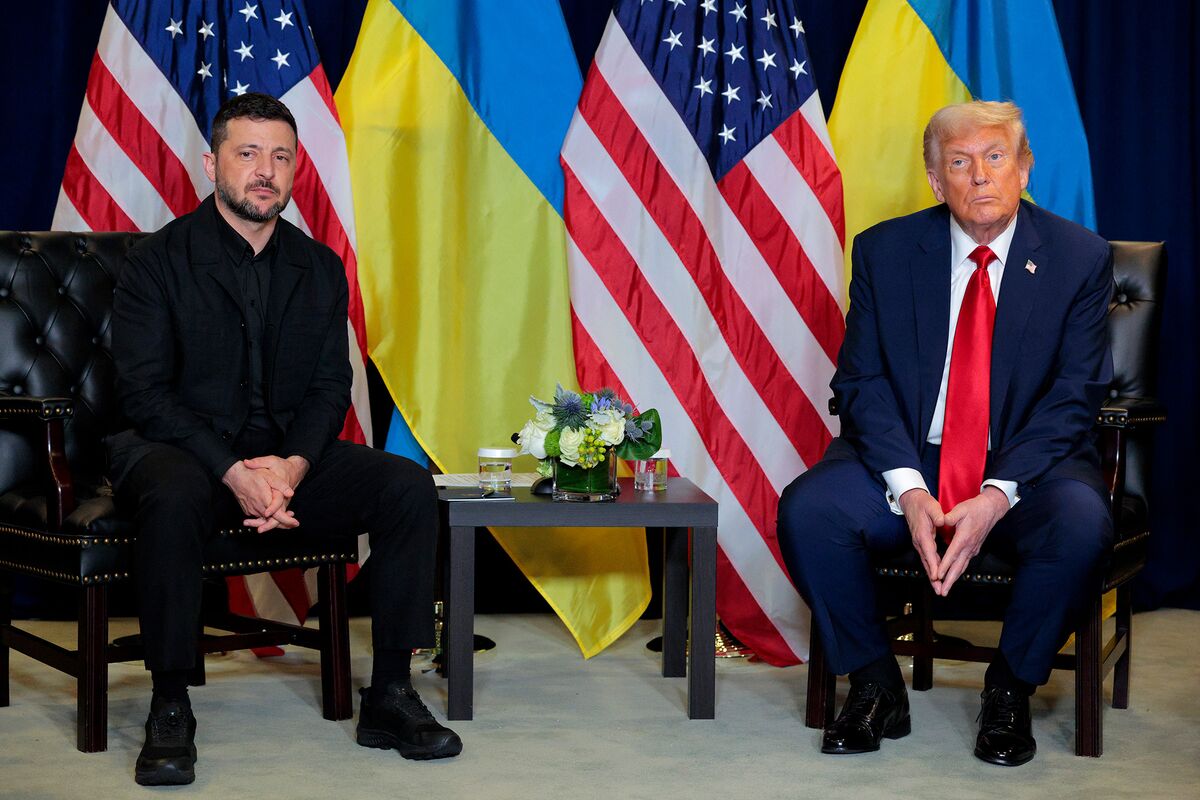
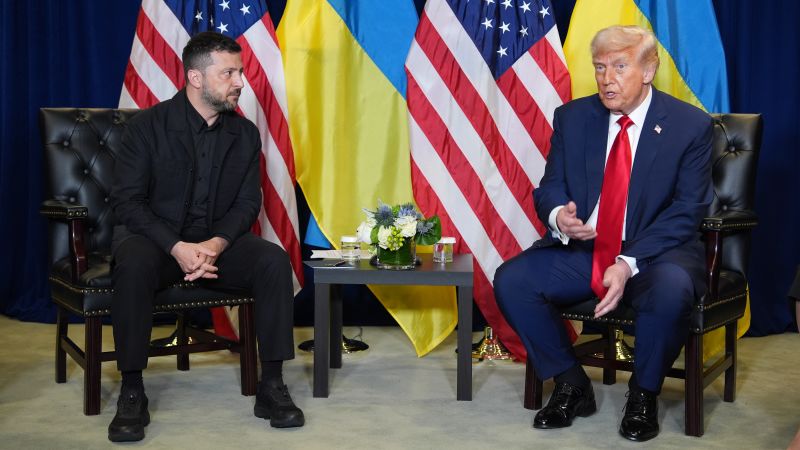
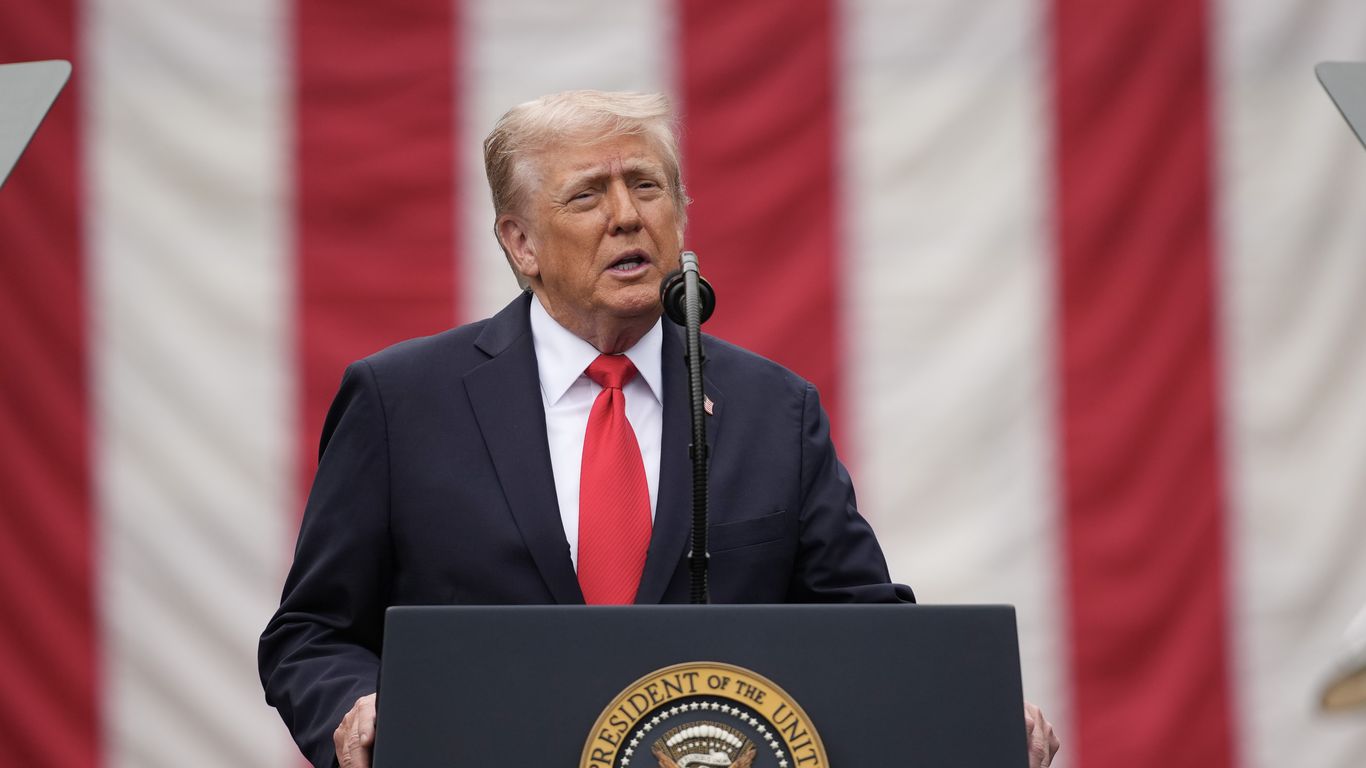
Geopolitical friction in the Arctic intensifies as several NATO nations deploy troops to Greenland, countering U.S. President Donald Trump's escalating threats of annexation. Denmark, governing the autonomous territory, has ramped up military exercises in coordination with allies, framing the moves as routine training under harsh Arctic conditions.[1][2]
NATO Countries Mobilize for Joint Operation Arctic Endurance
Germany's Bundeswehr, alongside Sweden, Norway, France, the Netherlands, Canada, and others, is sending scouting teams and small contingents for Operation Arctic Endurance. French President Emmanuel Macron confirmed initial forces on the ground, emphasizing solidarity with Denmark. Activities include guarding infrastructure, naval patrols, and fighter jet deployments, all requested by Denmark to affirm territorial integrity.[2][3][4]
Implications for Arctic Security and Alliances
Trump insists U.S. control over Greenland is vital against Russia and China, dismissing NATO deterrence. Danish and Greenlandic officials decry the rhetoric as sovereignty violations, forming working groups for dialogue. These deployments test NATO's cohesion, balancing Arctic readiness with alliance strains.[3][4][5]
About the People Mentioned
Donald Trump
Donald John Trump, born June 14, 1946, in Queens, New York, is an American businessman, media personality, and politician. He graduated from the University of Pennsylvania’s Wharton School in 1968 with a degree in economics. In 1971, he took over his family’s real estate business, renaming it the Trump Organization, through which he expanded into building and managing skyscrapers, hotels, casinos, and golf courses. Trump gained widespread fame as the host of the reality TV show *The Apprentice* from 2004 to 2015, which helped establish his public persona as a successful entrepreneur. Trump entered politics as a Republican and was elected the 45th president of the United States, serving from 2017 to 2021. His presidency was marked by significant policy actions including tax cuts, deregulation, the appointment of three Supreme Court justices, renegotiation of trade agreements (notably replacing NAFTA with the USMCA), and a focus on immigration control including border wall expansion. He withdrew the U.S. from international agreements such as the Paris Climate Accord and the Iran nuclear deal, and engaged in a trade war with China. His administration’s response to the COVID-19 pandemic was criticized for downplaying the virus’s severity. Trump was impeached twice by the House of Representatives—first in 2019 for abuse of power and obstruction, and again in 2021 for incitement of insurrection—but was acquitted by the Senate both times. After losing the 2020 election to Joe Biden, Trump challenged the results, culminating in the January 6, 2021, Capitol riot. He remains a central figure in American politics, having won the 2024 presidential election and returned as the 47th president in 2025, continuing to promote policies aimed at economic growth, border security, and military strength[1][2][3][4].
Emmanuel Macron
Emmanuel Jean-Michel Frédéric Macron, born December 21, 1977, in Amiens, France, is the current President of France, a position he has held since May 2017. He is the youngest president in French history, elected at age 39. Macron founded the centrist political movement La République En Marche! in April 2016, which won a majority in the 2017 legislative elections. Before his presidency, he studied philosophy and graduated from the École Nationale d’Administration (ENA) in 2004, worked at the Inspectorate General of Finance, and served in the banking sector. He entered politics as Deputy General Secretary of the Presidency in 2012 and was Minister for Economy, Industry, and Digital Affairs from 2014 to 2016[1][2][3]. During his presidency, Macron has implemented significant reforms including changes to labor laws, taxation, and the pension system. He has also prioritized the transition to renewable energy. His policies sparked widespread protests, notably the "yellow vests" movement from 2018 to 2020 and strikes against pension reforms. Macron managed France’s response to the COVID-19 pandemic, overseeing vaccination efforts and economic measures to address the recession[1]. In foreign policy, Macron has been active in reforming the European Union, strengthening ties with Germany and Italy, negotiating trade agreements with China amid the US-China trade war, and confronting security challenges including the AUKUS pact dispute. He has maintained France’s military efforts against ISIS and condemned Russia’s invasion of Ukraine[1]. Macron was re-elected in April 2022, marking the first French president in 20 years to secure a second term. His leadership continues to shape France’s domestic and international policies as of 2025[2][3][5].
About the Organizations Mentioned
NATO
The **North Atlantic Treaty Organization (NATO)** is a transatlantic military alliance founded in 1949 to secure peace in Europe and protect democratic nations from Soviet aggression. It began with 12 founding members and has expanded to include 32 countries across North America and Europe as of 2025, including recent additions Finland (2023) and Sweden (2024)[1][3]. NATO's core principle is collective defense, meaning an attack against one ally is considered an attack against all, enshrined in Article 5 of its founding treaty[3]. Originally established as a Cold War bulwark, NATO has evolved beyond its initial Euro-Atlantic focus, engaging in missions worldwide, such as in Afghanistan and Libya[1]. The alliance remains central to U.S.-Europe military cooperation and has adapted to new security challenges, particularly Russia’s 2022 invasion of Ukraine, which has significantly reshaped NATO’s priorities. This aggression has spurred increased defense spending, stronger collective deterrence efforts, and accelerated Ukraine’s path toward potential membership[1][4]. In June 2025, NATO held its first summit in the Netherlands, where leaders agreed on raising defense spending targets to 5% of GDP—split between 3.5% for core defense and 1.5% for related security costs, including support for Ukraine. This marked a historic commitment to bolster the alliance’s military capabilities amid evolving global threats. The summit also emphasized eliminating defense trade barriers and reaffirmed the ironclad commitment to collective defense[2][5]. NATO’s ongoing significance lies in its role as a strategic security platform fostering cooperation among member states, responding to geopolitical instability, and adapting to emerging threats like terrorism and cyber warfare[4]. Its "open door" policy continues to invite eligible European democracies to join, reinforcing its mission to safeguard peace, democracy, and shared technological and defense innovations across allied nations[1][4].
Bundeswehr
The **Bundeswehr**, Germany's unified armed forces, serves as the nation's primary defense mechanism, upholding parliamentary democracy and civilian control while contributing to NATO security, peacekeeping, and disaster relief.[1][2][6] Founded in 1955 as West Germany's military post-World War II, it integrated East German forces after reunification in 1990, evolving from a Cold War defensive force into a modern, tech-savvy powerhouse focused on hybrid threats.[4] **Organizationally**, the Bundeswehr blends military and civilian elements, totaling **262,972 personnel** as of March 2025—182,064 uniformed and 80,908 civilians—with women comprising 13.6% of soldiers and 39% of civilians.[1][5] Its core comprises four services: **Army** (land operations, ~64,000 troops in armored and rapid-response units), **Navy** (maritime defense), **Air Force** (air and space), and **Cyber and Information Domain Service** (digital warfare and cybersecurity).[1][3][4] Support includes the Joint Support Command (logistics, medical) and civilian arms like the Federal Defence Administration for IT, equipment, and infrastructure.[1][7] Command flows from the Federal Ministry of Defence in Berlin, led by Minister Boris Pistorius since 2023, emphasizing NATO interoperability.[1][6] **Key achievements** include pioneering **cyber defense integration**, rapid NATO deployments, and tech innovations like advanced armored brigades and AI-driven logistics amid the 2022 Zeitenwende policy shift, which reversed post-Cold War downsizing for enhanced resilience.[3][4][5] Traditions like the Großer Zapfenstreich underscore its cultural role.[4] Currently, the Bundeswehr prioritizes **cyber-resilience, territorial defense, and multinational ops** from a unified Berlin-Schwielowsee command, with a hybri