Trump's Michigan Return Highlights Economic Wins and Manufacturing Revival

Trump's Michigan Return Highlights Economic Wins
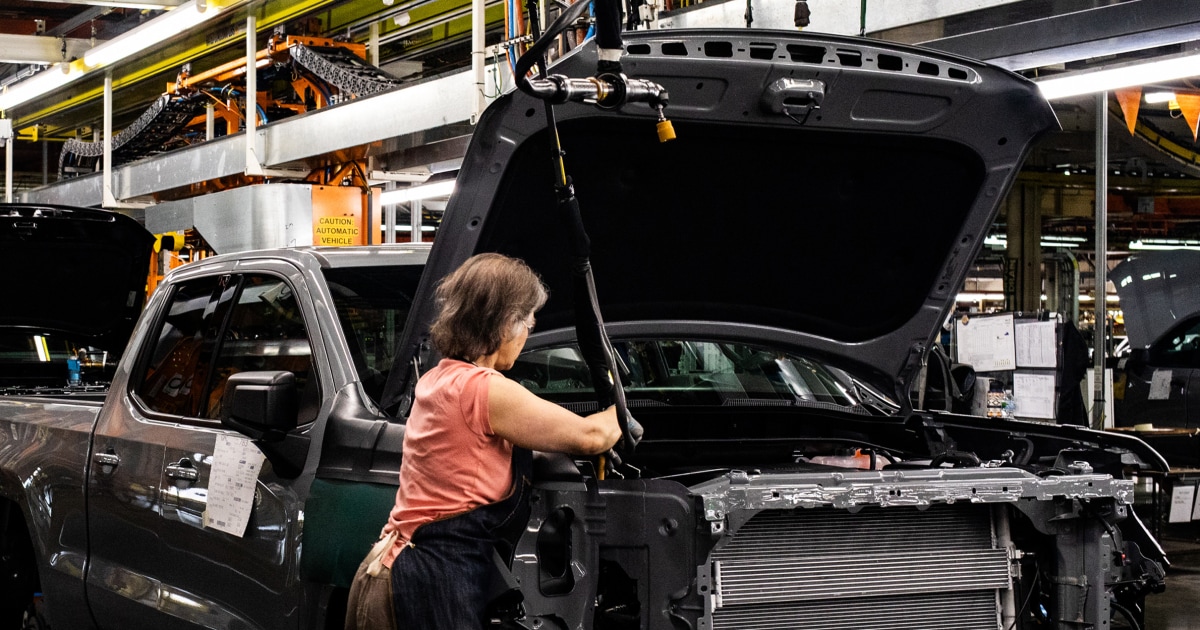
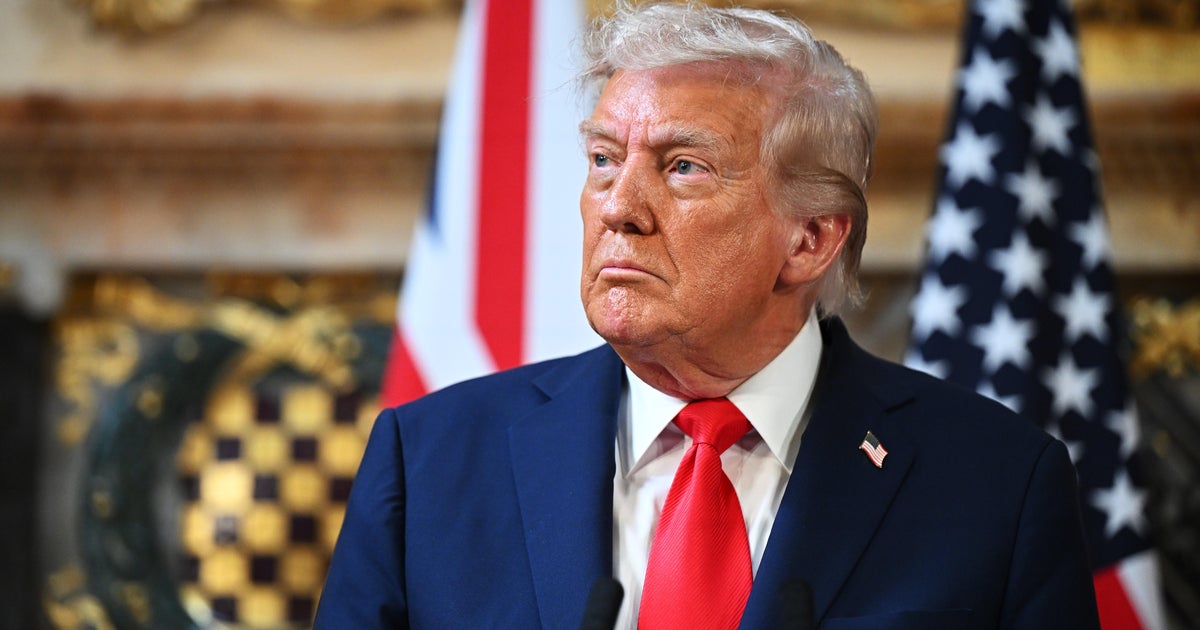
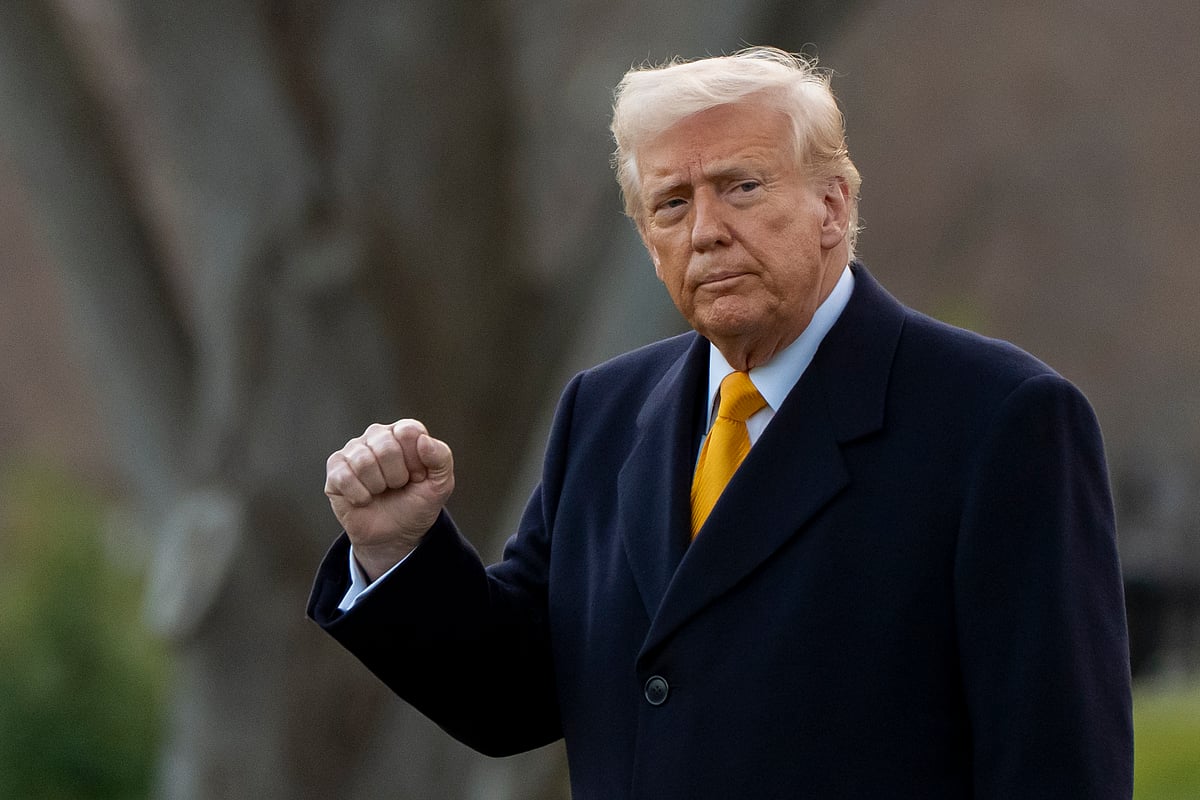
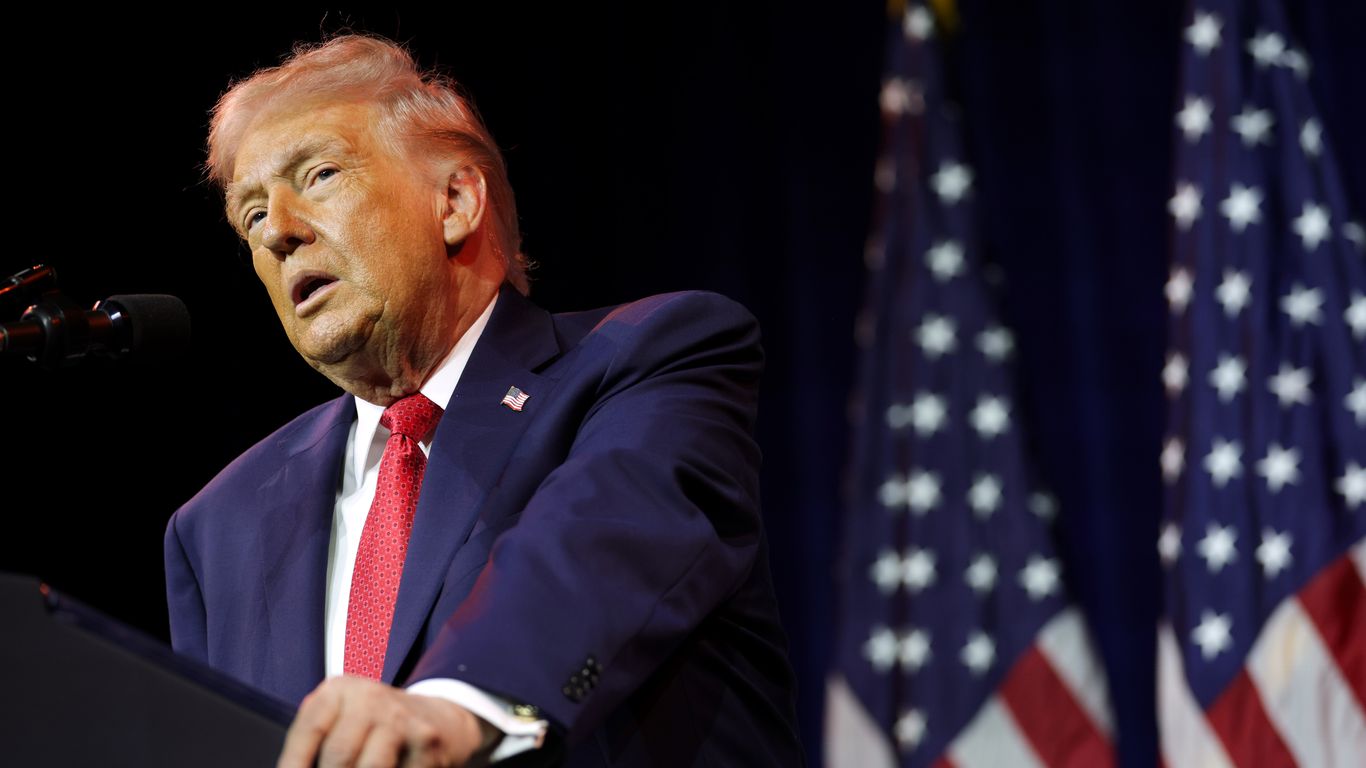
President Donald Trump made a high-profile return to Michigan, touring Ford Motor Company's Dearborn Truck Plant before delivering a dynamic speech at the Detroit Economic Club. This visit, his third to the club and first since the 2024 campaign, underscored his vision for American manufacturing revival. Trump spotlighted booming investments and soaring productivity, crediting aggressive tariffs for drawing trillions in new capital and forging partnerships in minerals, rare earths, and defense.
Key Economic Claims and Policies
In his hour-long address to business leaders and Republican officials, Trump proclaimed the "strongest economic turnaround in history," asserting inflation is defeated, wages are rising, and prices for groceries, rent, and airfares are falling. He emphasized shifting production from Canada and Mexico to U.S. soil, downplaying trade deficit concerns. Policies like no tax on overtime and enhanced senior deductions were hailed as game-changers for workers and retirees.
Implications for Michigan and Beyond
While Trump touted progress on campaign promises, critics note persistent living costs amid 2.7% annual inflation. Yet, his rhetoric energized the crowd, positioning Michigan as a hub for job growth and factory resurgence. This speech signals bold momentum, potentially reshaping regional economies through domestic-focused strategies.
About the People Mentioned
Donald Trump
Donald John Trump, born June 14, 1946, in Queens, New York, is an American businessman, media personality, and politician. He graduated from the University of Pennsylvania’s Wharton School in 1968 with a degree in economics. In 1971, he took over his family’s real estate business, renaming it the Trump Organization, through which he expanded into building and managing skyscrapers, hotels, casinos, and golf courses. Trump gained widespread fame as the host of the reality TV show *The Apprentice* from 2004 to 2015, which helped establish his public persona as a successful entrepreneur. Trump entered politics as a Republican and was elected the 45th president of the United States, serving from 2017 to 2021. His presidency was marked by significant policy actions including tax cuts, deregulation, the appointment of three Supreme Court justices, renegotiation of trade agreements (notably replacing NAFTA with the USMCA), and a focus on immigration control including border wall expansion. He withdrew the U.S. from international agreements such as the Paris Climate Accord and the Iran nuclear deal, and engaged in a trade war with China. His administration’s response to the COVID-19 pandemic was criticized for downplaying the virus’s severity. Trump was impeached twice by the House of Representatives—first in 2019 for abuse of power and obstruction, and again in 2021 for incitement of insurrection—but was acquitted by the Senate both times. After losing the 2020 election to Joe Biden, Trump challenged the results, culminating in the January 6, 2021, Capitol riot. He remains a central figure in American politics, having won the 2024 presidential election and returned as the 47th president in 2025, continuing to promote policies aimed at economic growth, border security, and military strength[1][2][3][4].
About the Organizations Mentioned
Ford Motor Company
Ford Motor Company, founded by Henry Ford in 1903, is one of the world’s largest and most iconic automakers, headquartered in Dearborn, Michigan. It is the second-largest American-based automaker and ranks sixth globally by production volume. The company revolutionized the automotive industry with the introduction of the moving assembly line, which drastically reduced manufacturing costs and made cars affordable to the masses, notably with the Model T[1][6]. Today, Ford designs, manufactures, markets, and services a full line of cars, trucks, SUVs, and electrified vehicles globally. It is particularly renowned for its F-Series trucks, which remain America’s best-selling pickup line, with over 620,000 trucks sold in the third quarter of 2025 alone, outperforming competitors by a significant margin[2]. Ford is also expanding aggressively into electrified vehicles, reporting record sales of over 85,000 electrified vehicles in Q3 2025, including hybrids like the F-150 Hybrid and Maverick Hybrid, which are leading products in their segments[2]. Ford’s recent strategic focus includes enhancing vehicle performance and off-road capabilities, exemplified by new models like the Explorer Tremor and F-150 Lobo, alongside expanding convenient services such as their Mobile Service fleet, which completed over 2.8 million remote service experiences in 2025 to date[2]. Financially, Ford’s revenue has been growing steadily, reaching $185 billion in 2024 with a net profit of $5.9 billion, and total assets at $285 billion. The company employs around 171,000 people worldwide and remains committed to innovation and sustainability in the rapidly transforming automotive industry[1][5]. Leadership under CEO Jim Farley, who took the helm in 2020, continues to drive Ford’s transformation towards electrification and advanced mobility solutions, maintaining its legacy while steering towards a technology-driven future[1][6].
Detroit Economic Club
The **Detroit Economic Club (DEC)** is a prestigious non-partisan, non-profit organization that serves as one of the world's top speaking forums for discussing critical business, government, and social issues.[1][7] ## History and Mission Founded in 1934 during the Great Depression, when Detroit's industrial economy was severely damaged, the DEC was established to provide a platform for debate and discussion on major economic and social matters.[1][2][3] For over 90 years, it has maintained this core mission while evolving into a vital institution shaping discourse on contemporary challenges. ## Notable Achievements and Influence The organization has hosted **every U.S. President since Richard Nixon**, demonstrating its significance as a national platform.[1][8] Fortune 100 CEOs and top government officials regularly deliver thought leadership from the DEC's podium, establishing it as a premier venue for influential speakers and policy discussions.[1] ## Current Operations Under the leadership of President & CEO Steve Grigorian, the DEC continues to offer exceptional networking opportunities with regional and national leaders.[1] The organization has expanded beyond its core mission to include the **Young Leaders and Student Programs**, which provide mentorship and development opportunities for future generations of business and civic leaders.[1] ## Key Characteristics The DEC distinguishes itself through its commitment to inclusion and its role as a vital Detroit institution with global impact.[1] The organization combines high-profile speakers with premium networking, creating an environment where influential figures and emerging leaders can exchange ideas on pressing economic and social topics. Today, the Detroit Economic Club remains a cornerstone of Detroit's business community, continuing its 90-year legacy of fostering informed dialogue on issues that shape both the region and the nation's economic future.