Chris Mason: A Defining Week in Global Politics and the Power of a Phone Call
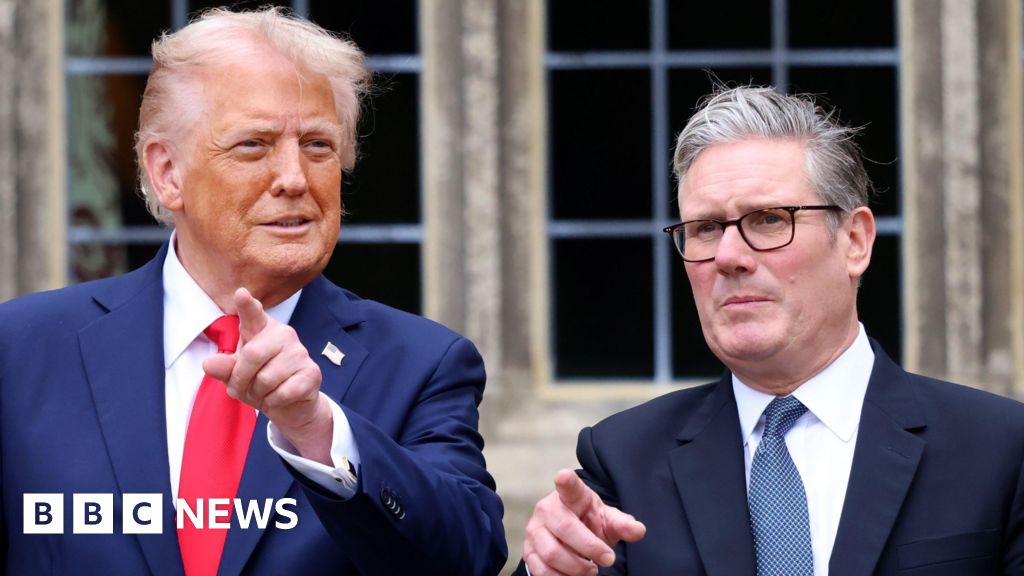
Chris Mason on an extraordinary political week
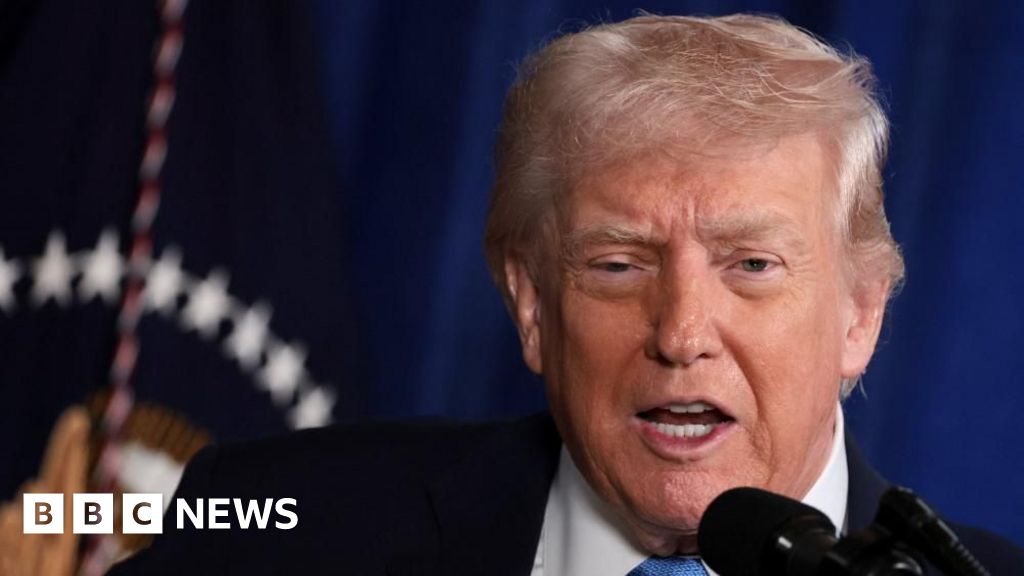
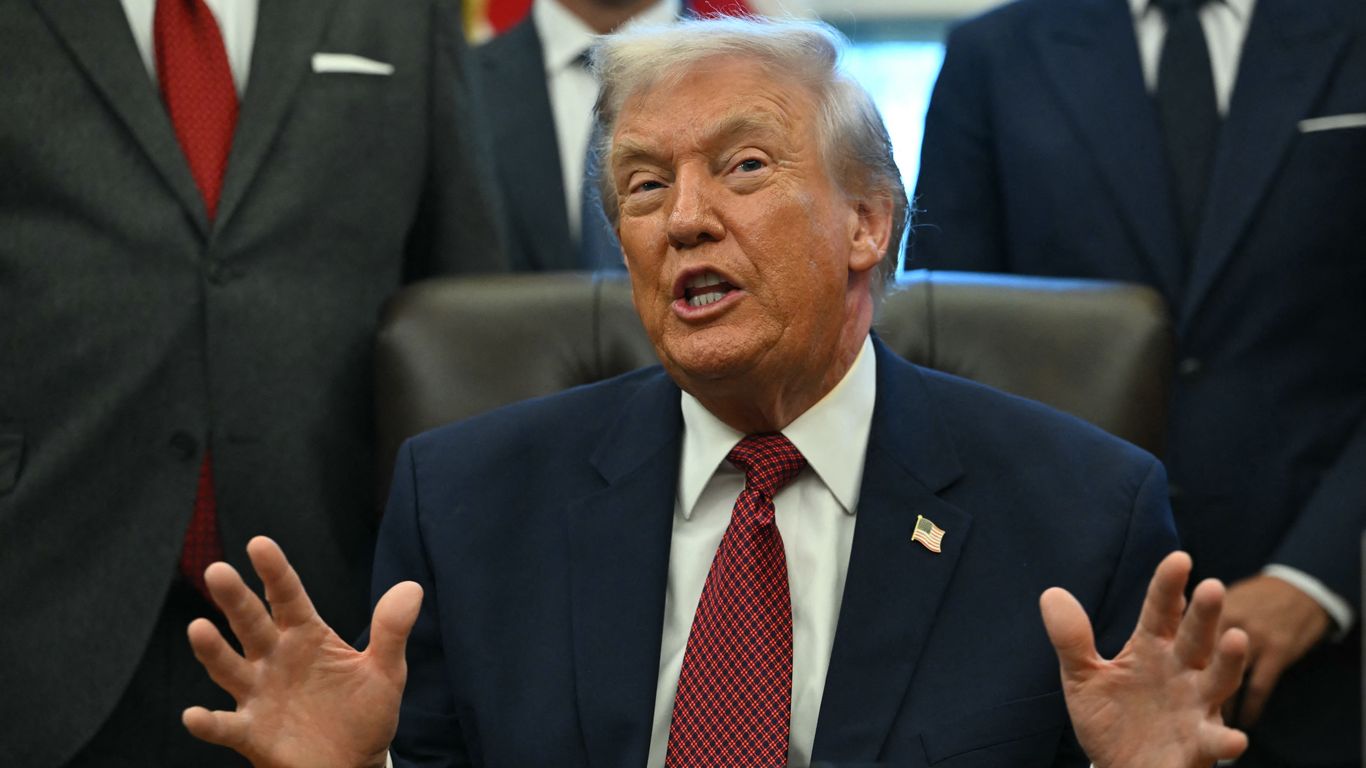
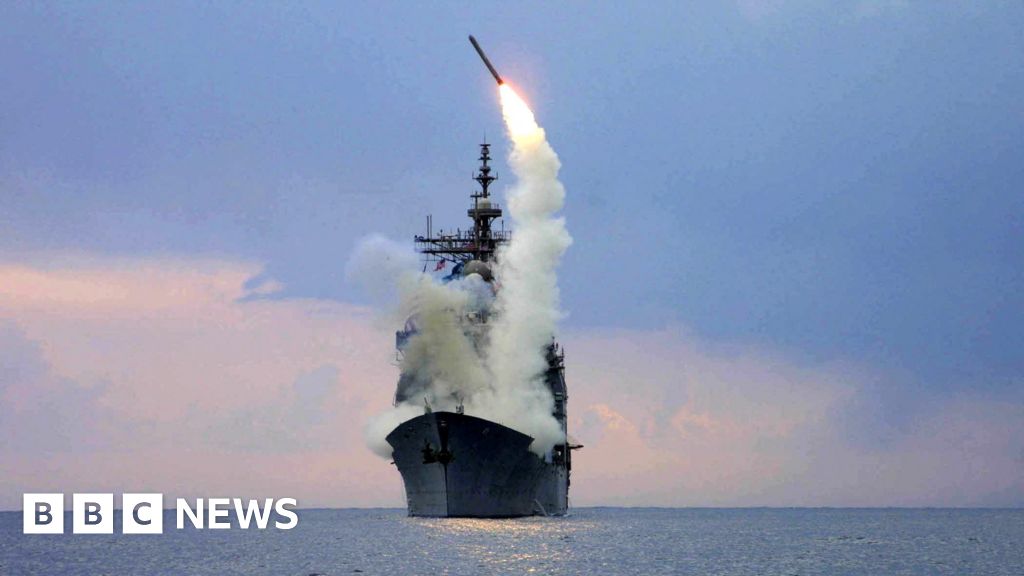
Chris Mason reflects on how a routine diplomatic update became a defining moment in a tumultuous week for global politics. As Trump and Starmer finally spoke by phone, their conversation followed days of frenetic US activity abroad, from surprise military operations to bold statements about reshaping alliances. The call offered rare clarity amid swirling speculation, revealing how both leaders balance domestic pressure with spiralling international crises.
Trump, Starmer and the power of a phone call
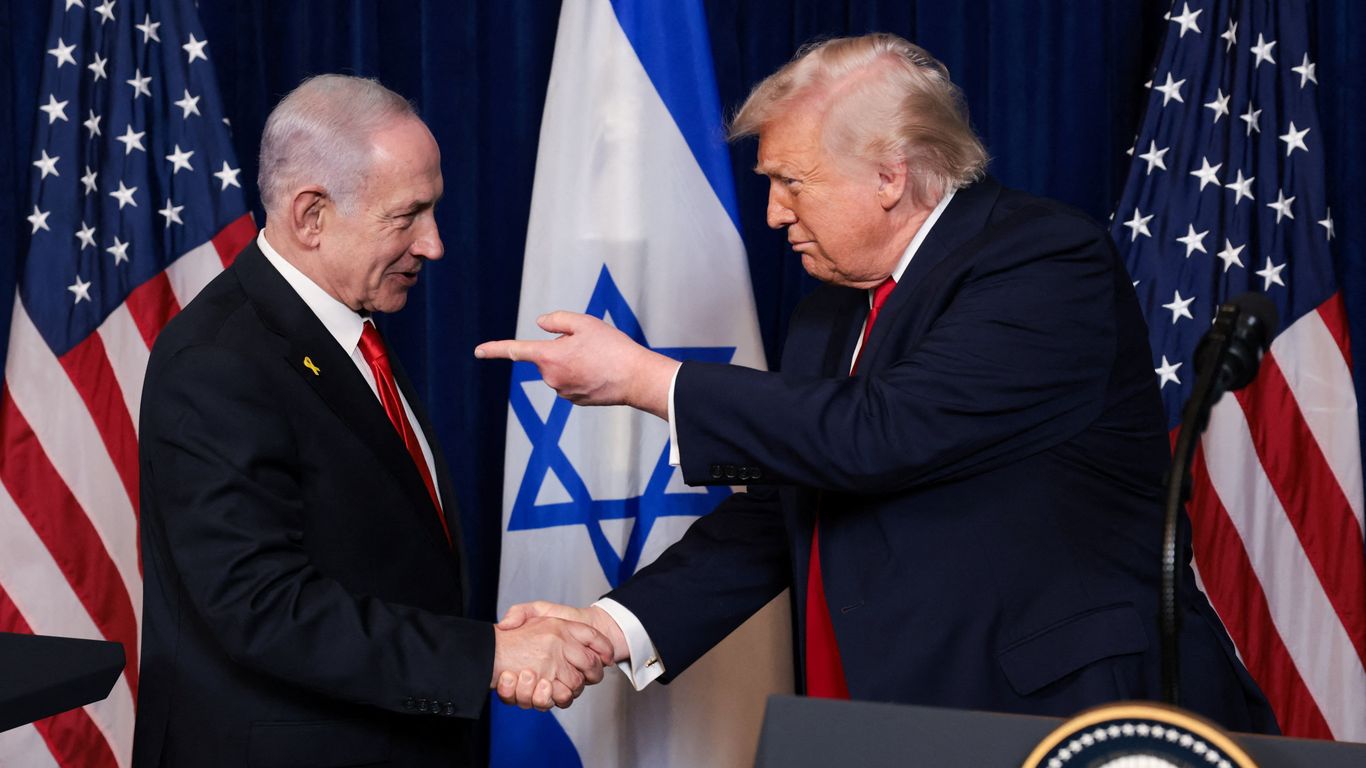
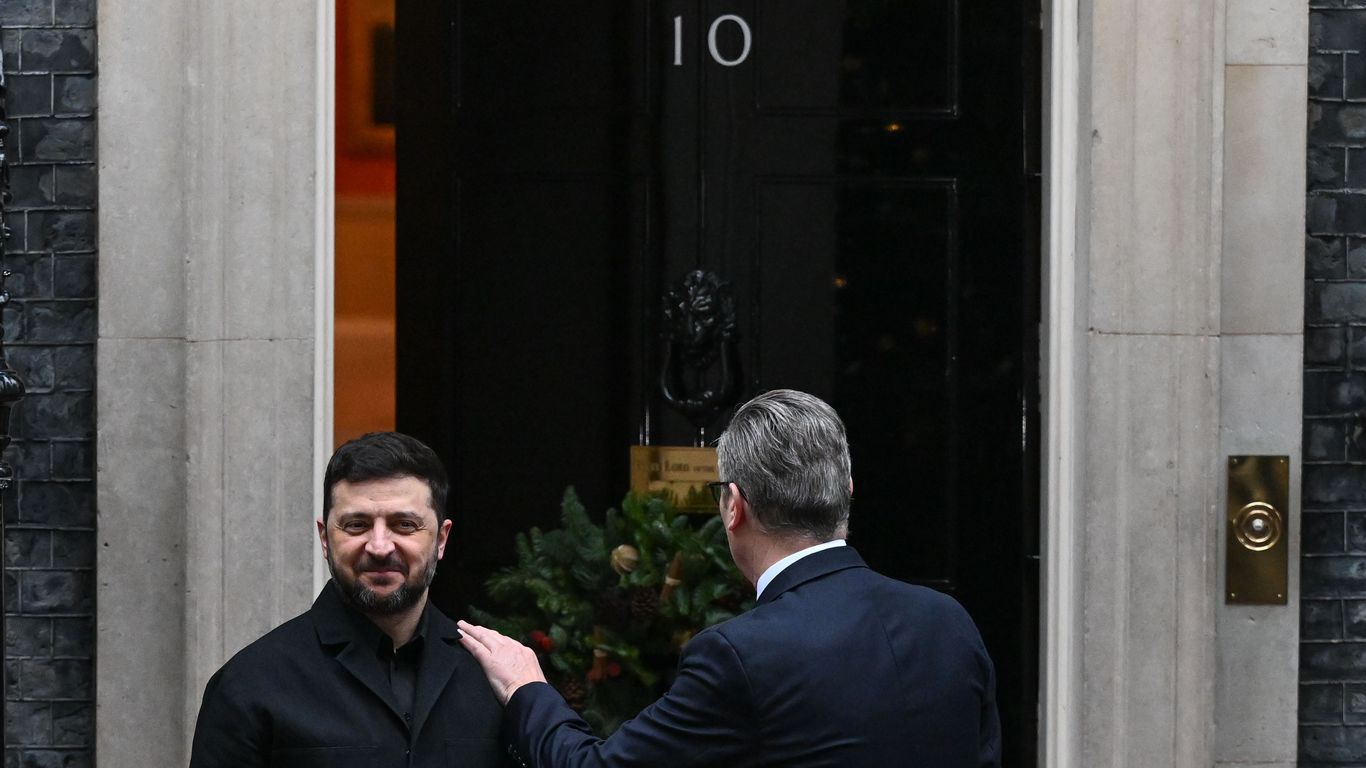
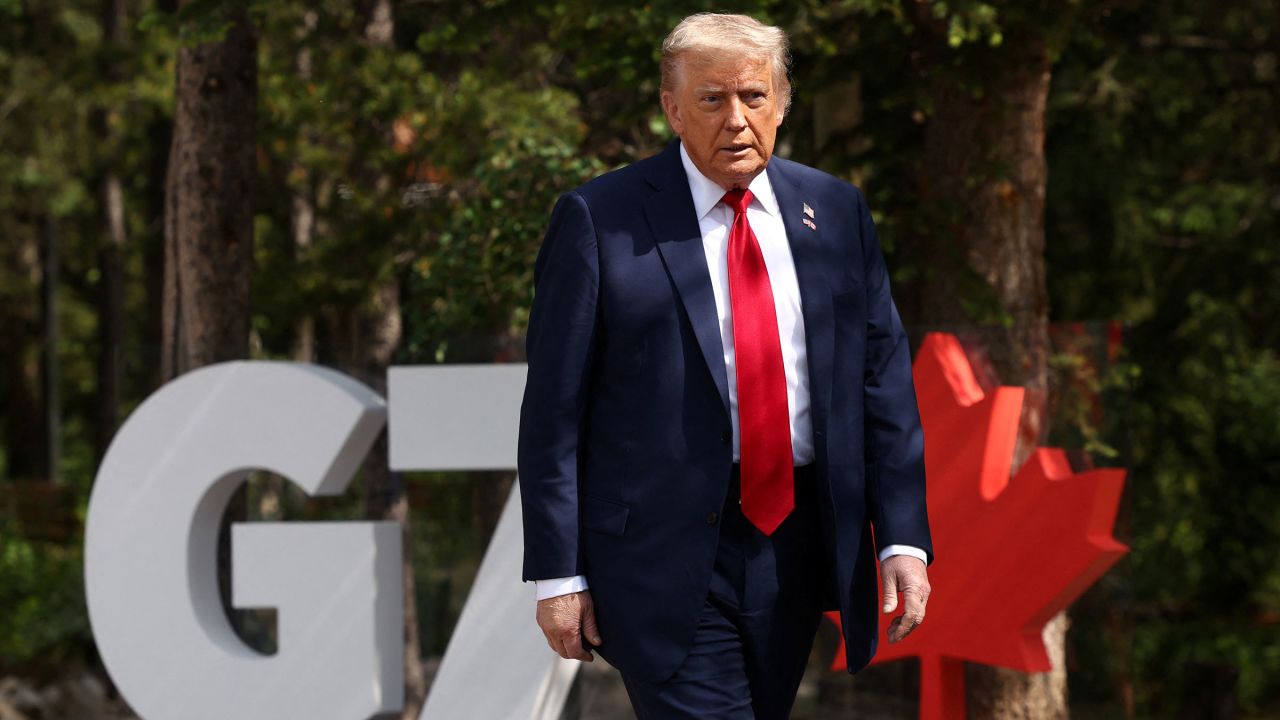
For Trump, the discussion was a chance to project strength after a series of headline-grabbing overseas moves that unsettled allies and rivals alike. For Starmer, it was about asserting British influence while signalling cautious cooperation. Mason explores how one conversation touches everything from NATO credibility to Arctic security and sanctions enforcement. He shows that, in an era of constant news alerts, a single call between Washington and Downing Street can still reshape the political landscape.
About the People Mentioned
Chris Mason
Chris Mason is an English actor born on February 14, 1991, in Edge Hill, Liverpool, England. He is best known for his television roles including Chad Gekko, the husband of Veronica Lodge, in the 2021 season of *Riverdale*, and as Keiran Atreides in the 2024 Max series *Dune: Prophecy*. Mason began his career with notable roles in the miniseries *The Fades* (2011) and *Lightfields* (2013), and his first film appearance was in *Vampire Academy* (2014). In 2017, he had a recurring role as Leo Humphries in the third season of *Broadchurch*[2][6]. Mason has been married to American actress Spencer Locke since 2017, and together they have a daughter named Monroe, born in 2020[2][6]. He continues to work actively in television, contributing to both dramatic and genre series. Separately, another Chris Mason is a Canadian former professional ice hockey goaltender, born April 20, 1976, in Red Deer, Alberta. He played in the NHL primarily for the Nashville Predators, Atlanta Thrashers/Winnipeg Jets, and St. Louis Blues over a career spanning from 1997 to 2015. After leaving the NHL in 2013, he retired with the Augsburger Panther of the German DEL. Since retirement, he has worked as a color commentator for the Nashville Predators on Bally Sports South[1]. Additionally, Chris Mason is a prominent British political correspondent and presenter, currently serving as the BBC Political Editor since 2022. He started his journalism career in 2001, has reported extensively for the BBC, and presented the popular political podcast *Brexitcast*, later renamed *Newscast*. He also chairs the BBC Radio 4 program *Any Questions?* since 2019[9]. Finally, Christopher E. Mason, PhD, is a leading genomics scientist and professor at Weill Cornell Medicine, known for his work in computational biomedicine, genome engineering, and space medicine. He has received numerous prestigious awards and directs several scientific initiatives[10]. The name "Chris Mason" thus refers to multiple notable individuals across acting, sports, journalism, and science.
Donald Trump
Donald John Trump, born June 14, 1946, in Queens, New York, is an American businessman, media personality, and politician. He graduated from the University of Pennsylvania’s Wharton School in 1968 with a degree in economics. In 1971, he took over his family’s real estate business, renaming it the Trump Organization, through which he expanded into building and managing skyscrapers, hotels, casinos, and golf courses. Trump gained widespread fame as the host of the reality TV show *The Apprentice* from 2004 to 2015, which helped establish his public persona as a successful entrepreneur. Trump entered politics as a Republican and was elected the 45th president of the United States, serving from 2017 to 2021. His presidency was marked by significant policy actions including tax cuts, deregulation, the appointment of three Supreme Court justices, renegotiation of trade agreements (notably replacing NAFTA with the USMCA), and a focus on immigration control including border wall expansion. He withdrew the U.S. from international agreements such as the Paris Climate Accord and the Iran nuclear deal, and engaged in a trade war with China. His administration’s response to the COVID-19 pandemic was criticized for downplaying the virus’s severity. Trump was impeached twice by the House of Representatives—first in 2019 for abuse of power and obstruction, and again in 2021 for incitement of insurrection—but was acquitted by the Senate both times. After losing the 2020 election to Joe Biden, Trump challenged the results, culminating in the January 6, 2021, Capitol riot. He remains a central figure in American politics, having won the 2024 presidential election and returned as the 47th president in 2025, continuing to promote policies aimed at economic growth, border security, and military strength[1][2][3][4].
Keir Starmer
Keir Starmer, born on September 2, 1962, in London, England, is a British politician and barrister. He grew up in Oxted, Surrey, with his father working as a toolmaker and his mother as an NHS nurse. Starmer was the first in his family to attend university, studying law at the University of Leeds and later earning a postgraduate degree from the University of Oxford[2][3]. Before entering politics, Starmer had a distinguished career as a barrister. He qualified in 1987 and was appointed Queen's Counsel (QC) in 2002. Notably, he served as the Director of Public Prosecutions from 2008 to 2013, leading the Crown Prosecution Service[2]. He was knighted in 2014 for his contributions to criminal justice[2]. Starmer was elected as a Member of Parliament for Holborn and St Pancras in 2015. He became the Shadow Minister for Immigration under Jeremy Corbyn but later resigned in protest. He then served as Shadow Secretary of State for Exiting the European Union[5]. In April 2020, he was elected as the leader of the Labour Party, winning with a significant majority in the first round of voting[5]. In July 2024, Starmer became the Prime Minister of the United Kingdom following a landslide Labour victory in the general election, replacing Rishi Sunak[1][4]. As Prime Minister, he is focused on implementing Labour's manifesto, which includes objectives related to the economy, crime, healthcare, education, and climate change[1]. His leadership marks a significant shift in British politics, emphasizing national renewal and change[4]. Starmer is married to Victoria Starmer, an NHS worker, and they have two children[4].
About the Organizations Mentioned
NATO
The **North Atlantic Treaty Organization (NATO)** is a transatlantic military alliance founded in 1949 to secure peace in Europe and protect democratic nations from Soviet aggression. It began with 12 founding members and has expanded to include 32 countries across North America and Europe as of 2025, including recent additions Finland (2023) and Sweden (2024)[1][3]. NATO's core principle is collective defense, meaning an attack against one ally is considered an attack against all, enshrined in Article 5 of its founding treaty[3]. Originally established as a Cold War bulwark, NATO has evolved beyond its initial Euro-Atlantic focus, engaging in missions worldwide, such as in Afghanistan and Libya[1]. The alliance remains central to U.S.-Europe military cooperation and has adapted to new security challenges, particularly Russia’s 2022 invasion of Ukraine, which has significantly reshaped NATO’s priorities. This aggression has spurred increased defense spending, stronger collective deterrence efforts, and accelerated Ukraine’s path toward potential membership[1][4]. In June 2025, NATO held its first summit in the Netherlands, where leaders agreed on raising defense spending targets to 5% of GDP—split between 3.5% for core defense and 1.5% for related security costs, including support for Ukraine. This marked a historic commitment to bolster the alliance’s military capabilities amid evolving global threats. The summit also emphasized eliminating defense trade barriers and reaffirmed the ironclad commitment to collective defense[2][5]. NATO’s ongoing significance lies in its role as a strategic security platform fostering cooperation among member states, responding to geopolitical instability, and adapting to emerging threats like terrorism and cyber warfare[4]. Its "open door" policy continues to invite eligible European democracies to join, reinforcing its mission to safeguard peace, democracy, and shared technological and defense innovations across allied nations[1][4].