Explosion in Utrecht City Center: Fire, Debris and Rescue Efforts
#utrecht #explosion #disaster #emergency_response #resilience
Explosion Rocks Utrecht: Fire and Chaos in City Center
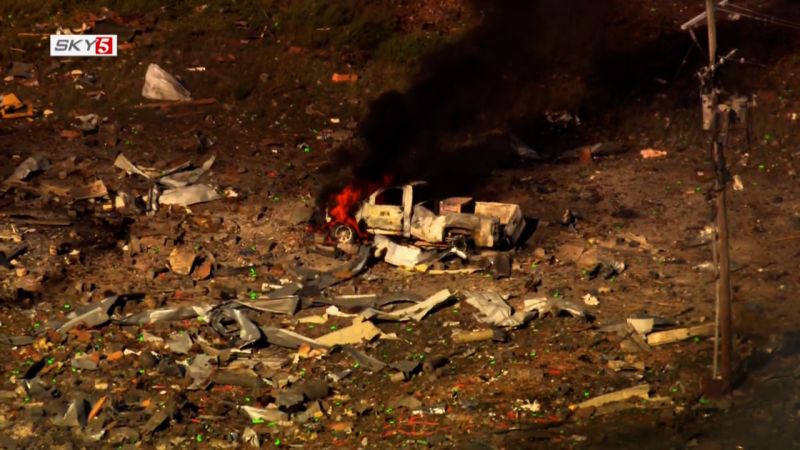
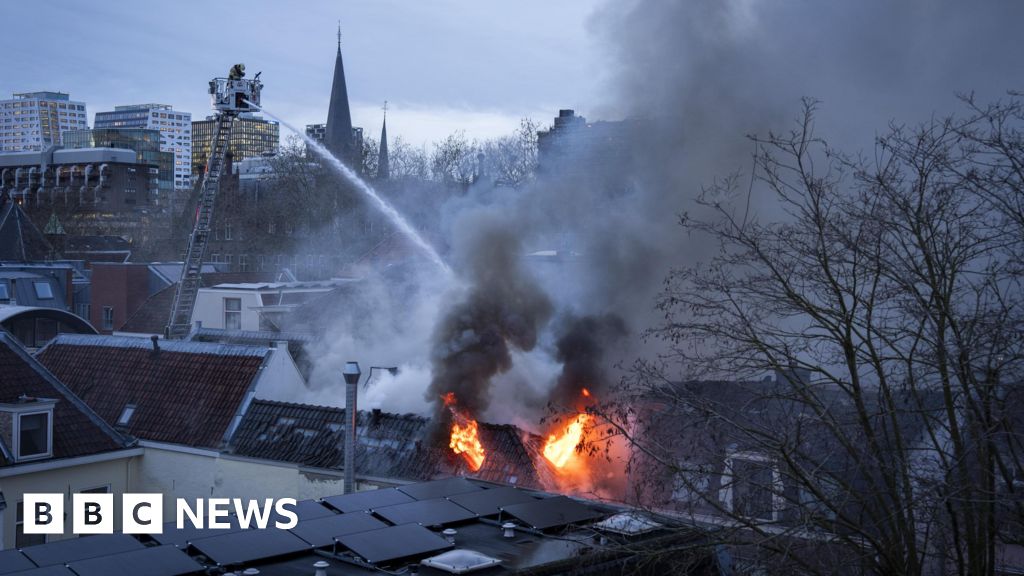
A massive explosion shattered the calm of Utrecht's bustling residential streets, igniting a fierce fire that injured at least four people and wrecked multiple buildings. Emergency responders raced to the scene as plumes of smoke billowed over the historic Dutch city center, forcing shoppers to flee nearby areas. Local safety officials reported widespread structural damage, with rubble strewn across roads and fears of instability halting initial searches.
Emergency Response and Investigation Underway
Firefighters battled the blaze but held back from unstable structures, while the injured were rushed to hospitals with unknown injury severities. Authorities, including Utrecht Mayor Sharon Dijksma, urged residents to avoid the zone as police probe the cause—possibly a gas leak. Witnesses described the ground shaking violently, heightening concerns for trapped victims under debris. A local hotel sheltered displaced families.
Impact on Utrecht Community
This devastating incident has stunned the community, with extensive harm to homes and infrastructure in the heart of the city. Officials continue combing wreckage safely, as the Red Cross mobilizes volunteers for support. Utrecht's resilience shines amid the shock, promising recovery efforts ahead.
About the Organizations Mentioned
Red Cross
The Red Cross is the world's largest humanitarian network, dedicated to providing emergency assistance, disaster relief, and education globally and domestically. It operates through three main components: the International Federation of Red Cross and Red Crescent Societies (IFRC), National Societies in 191 countries, and the International Committee of the Red Cross (ICRC). The organization’s core mission is to help people suffering due to conflict, natural or man-made disasters, and chronic poverty without discrimination[2]. Founded in the 19th century, the Red Cross has a rich history rooted in humanitarian principles established over 60 years ago by the IFRC. The American Red Cross (ARC), chartered by the U.S. Congress in 1905, exemplifies the organization’s work by responding to over 60,000 disasters annually, including fires, hurricanes, floods, and earthquakes. It provides shelter, food, health and mental health services, and supports military families. The ARC also supplies about 40% of the nation’s blood, teaches life-saving skills, and participates in international humanitarian efforts such as disaster preparedness and migration crisis response[3][4][8]. In 2025, the IFRC’s Global Plan emphasizes reducing the impact of emergencies related to climate, health, and migration, building community resilience, and ensuring inclusive, respectful aid delivery. This plan reflects a strategic approach combining local action with global coordination to address complex humanitarian challenges[1]. Notably, the Red Cross leverages technology and data to enhance disaster response and preparedness, such as multilingual volunteer databases and emergency apps. The organization continually expands volunteer recruitment to meet rising disaster frequency and scale, with almost 275,000 volunteers across the U.S. alone[6][9][10]. The Red Cross’s key achievements include life-saving disaster relief, international humanitarian aid, blood supply management, and innovative preparedness campaigns like the Home Fire Campaign, which has saved over 2,460 lives since 2014. Its ability t