N.J. Weather: Snow Chances Rising This Weekend

N.J. Weather: Snow Chances Rising This Weekend
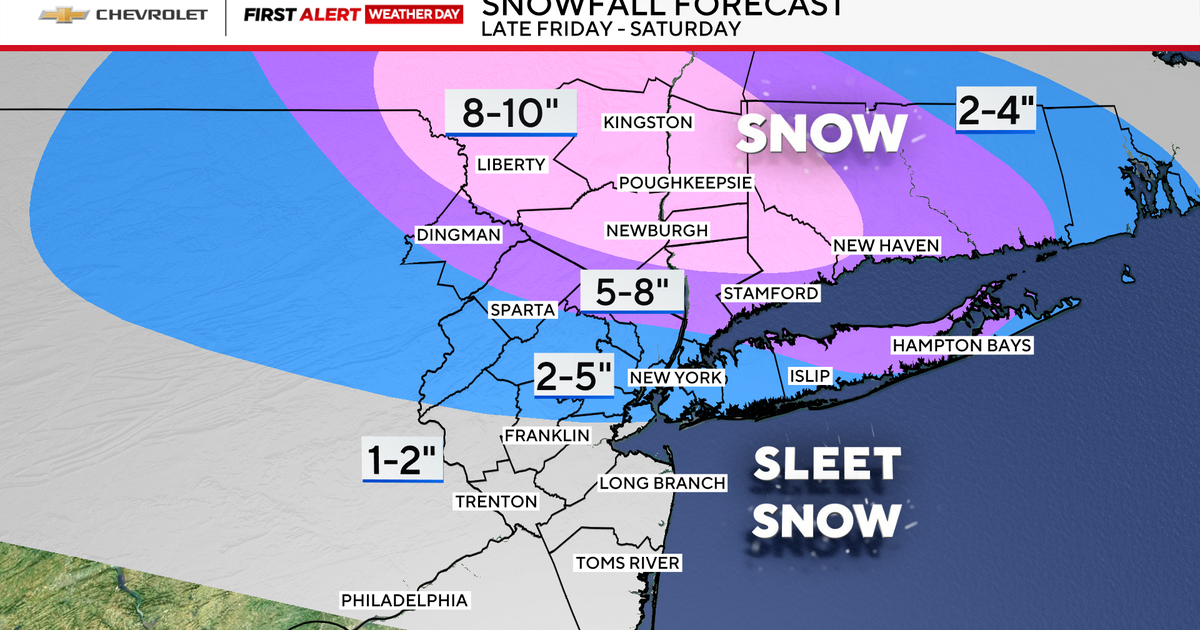
New Jersey residents, brace for potential winter chills as forecasters track a coastal storm that could deliver snow this weekend. With the system possibly not forming until Saturday, confidence remains low, but odds are increasing for measurable accumulations across the state.[1]
Tracking the Uncertain Coastal Threat
The National Weather Service notes this developing low-pressure area off the Atlantic coast may intensify late Saturday, pulling cold air southward. January norms already feature chilly highs around 36°F and lows dipping to 19°F, with historical data showing 11 rainy or snowy days and 89mm of precipitation, often as flakes.[2][3] Hoboken and Jersey City areas could see the first flakes if it tracks right.[1]
Preparation Amid Low Confidence
Expect variable forecasts through Friday, with daytime temps hovering near 2°C and limited sunshine at five hours daily. Stock up on essentials, monitor updates, and plan for possible travel disruptions. While not guaranteed, this storm echoes past late-formers that surprised with 3-6 inches in northern counties.[4][6]
About the Organizations Mentioned
National Weather Service
The **National Weather Service (NWS)** is a U.S. federal agency under the National Oceanic and Atmospheric Administration (NOAA) dedicated to providing weather, hydrologic, and climate forecasts and warnings across the United States, its territories, and adjacent waters. Its primary mission is to protect life and property and enhance the national economy by delivering timely, accurate, and science-based environmental predictions[1][2][5][6]. Founded in the late 1800s, the NWS has evolved into a comprehensive weather monitoring and forecasting organization. It operates through a nationwide infrastructure comprising 122 Weather Forecast Offices (WFOs), 13 River Forecast Centers (RFCs), and 9 specialized national centers including the National Hurricane Center, Storm Prediction Center, and Space Weather Prediction Center, among others[1][3][4]. These centers utilize advanced technology such as Doppler radars (WSR-88D), satellite data, automated surface observing systems, and sophisticated computer models to gather and analyze atmospheric data continuously[7]. Key achievements of the NWS include the development of impact-based decision support services that aid emergency management, aviation, marine operations, and the general public in preparing for hazardous weather events. The agency issues around 1.5 million forecasts and 50,000 warnings annually, significantly contributing to disaster preparedness and response efforts[4][6]. The 2011 Strategic Plan emphasizes building a “Weather-Ready Nation” by leveraging advancements in science and technology to anticipate future service needs and improve societal resilience to weather-related threats[4]. Currently, the NWS employs about 4,800 staff members and operates with a budget nearing $930 million. Its organizational structure includes a Chief Information Officer, Chief Financial Officer, and multiple operational and scientific divisions that ensure continuous innovation and service improvement. The agency’s commitment to integrating hydrologic and climate data with weather forecasting positions it as a critical player in environmental intelligence, supporting both governmental and private sectors[2][3][5