Could Another Storm Slam the East Coast This Weekend? Forecast and Prep Tips

Could Another Storm Slam the East Coast This Weekend?
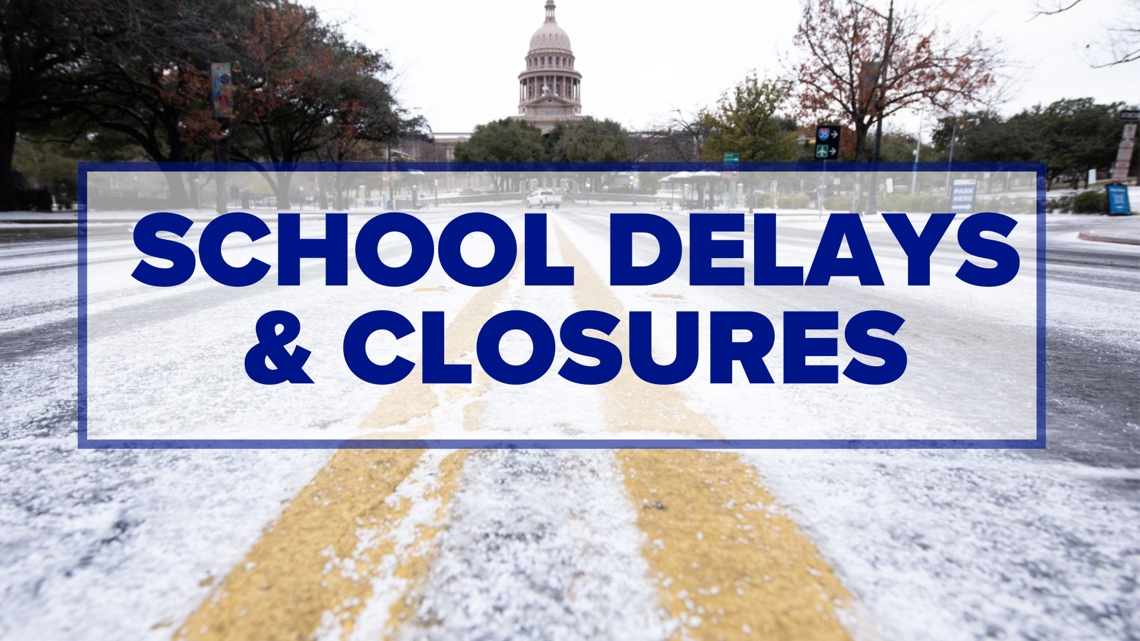
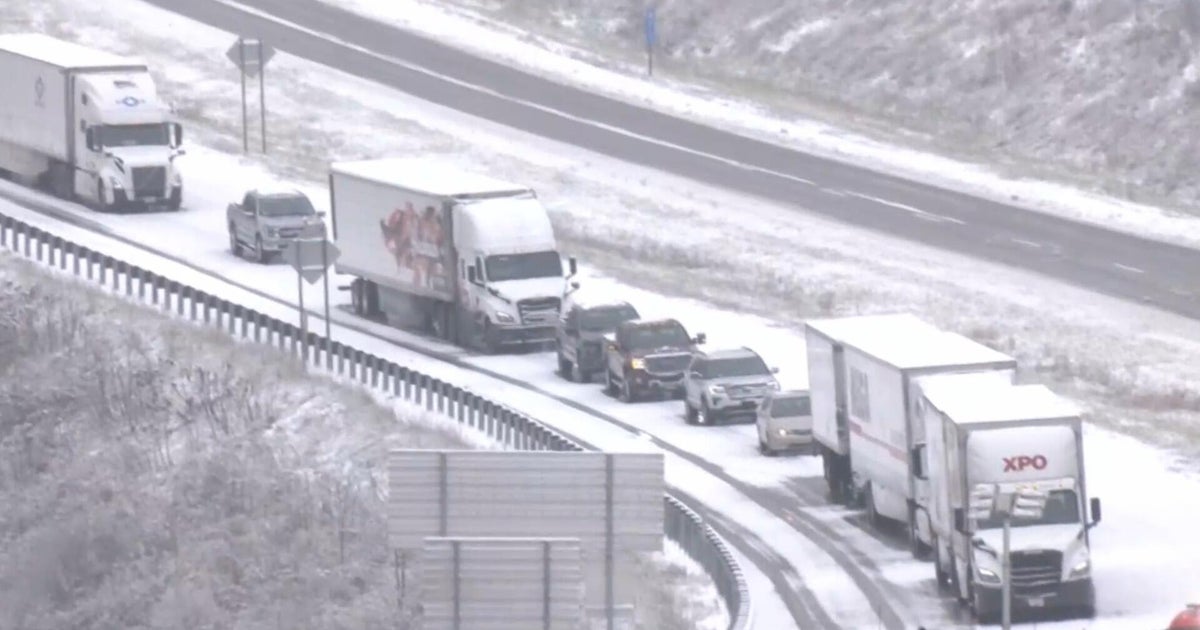
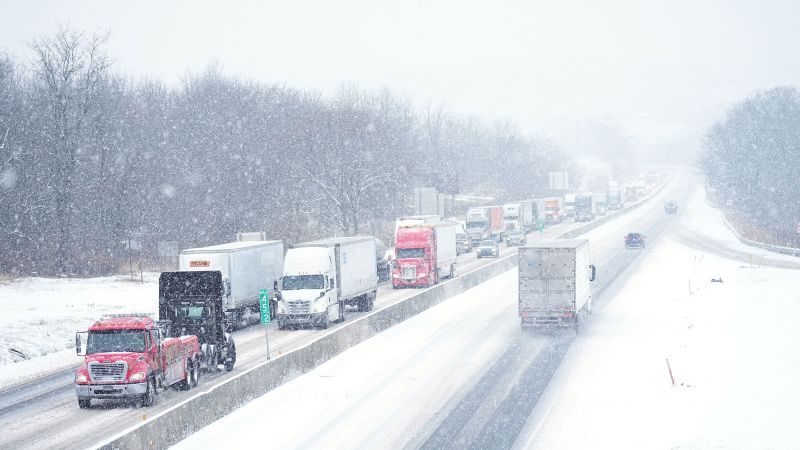
Just as the East Coast recovers from a massive winter storm that dumped over 20 inches of snow and caused widespread power outages, weather models signal another potent system brewing for January 31 to February 1. Forecasters from the National Weather Service and AccuWeather highlight high uncertainty in the storm's track and intensity, but early simulations point to plowable snow across vulnerable regions.[1][2]
Key Scenarios and Forecast Details
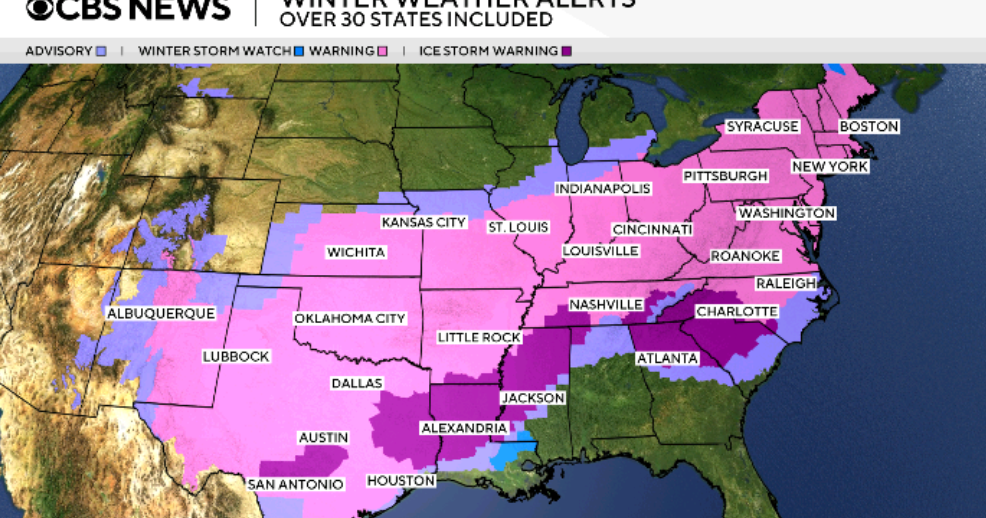
Impacts could start Friday along the Gulf Coast with rain in Louisiana to Florida, transitioning to a wintry mix northward into Mississippi and Georgia. By Saturday, the system may intensify off the Southeast Coast, delivering snow from Georgia to Maryland and potential disruptions at major airports like Charlotte Douglas. A weaker storm might spare heavier accumulations, while rapid strengthening could spawn a nor'easter with heavy snow from the mid-Atlantic to New England and damaging coastal winds.[2][3]
Preparation Tips Amid Uncertainty
Even a quick-moving system could prove disruptive in cold-soaked areas like the Carolinas and Virginia, where a mere coating of snow on ice might snarl travel. Monitor updates closely, as a mere 50-mile track shift alters outcomes dramatically—offshore paths limit snow to NYC, closer ones amplify risks. Stock essentials and brace for possible Sunday snow in the Northeast if it hugs the coast.[4][5]
About the Organizations Mentioned
National Weather Service
The **National Weather Service (NWS)** is a U.S. federal agency under the National Oceanic and Atmospheric Administration (NOAA) dedicated to providing weather, hydrologic, and climate forecasts and warnings across the United States, its territories, and adjacent waters. Its primary mission is to protect life and property and enhance the national economy by delivering timely, accurate, and science-based environmental predictions[1][2][5][6]. Founded in the late 1800s, the NWS has evolved into a comprehensive weather monitoring and forecasting organization. It operates through a nationwide infrastructure comprising 122 Weather Forecast Offices (WFOs), 13 River Forecast Centers (RFCs), and 9 specialized national centers including the National Hurricane Center, Storm Prediction Center, and Space Weather Prediction Center, among others[1][3][4]. These centers utilize advanced technology such as Doppler radars (WSR-88D), satellite data, automated surface observing systems, and sophisticated computer models to gather and analyze atmospheric data continuously[7]. Key achievements of the NWS include the development of impact-based decision support services that aid emergency management, aviation, marine operations, and the general public in preparing for hazardous weather events. The agency issues around 1.5 million forecasts and 50,000 warnings annually, significantly contributing to disaster preparedness and response efforts[4][6]. The 2011 Strategic Plan emphasizes building a “Weather-Ready Nation” by leveraging advancements in science and technology to anticipate future service needs and improve societal resilience to weather-related threats[4]. Currently, the NWS employs about 4,800 staff members and operates with a budget nearing $930 million. Its organizational structure includes a Chief Information Officer, Chief Financial Officer, and multiple operational and scientific divisions that ensure continuous innovation and service improvement. The agency’s commitment to integrating hydrologic and climate data with weather forecasting positions it as a critical player in environmental intelligence, supporting both governmental and private sectors[2][3][5
AccuWeather
**AccuWeather**, a family-owned global leader in commercial weather forecasting, delivers superior accuracy to save lives, protect property, and aid businesses worldwide, reaching 1.5 billion people via media, apps, and enterprise services.[1][3][6] Founded in 1962 by Dr. Joel N. Myers—a Penn State meteorology graduate student dubbed the "father of modern commercial meteorology"—the company began with a $150 contract for a local gas company's winter forecast.[1][2][3][7] Initially focused on seasonal predictions for utilities, highways, and resorts, it renamed to AccuWeather in 1964 (or 1971 per some records) and expanded to year-round services by 1971.[1][4] Headquartered in State College, Pennsylvania, it now employs about 500, including over 100 meteorologists, with Joel Myers as CEO and brother Evan as COO.[1] Key innovations define its legacy: the first TV seven-day forecast (1975), electronic newspaper weather pages and broadcast graphics (1986), worldwide services (1983), and pioneering extended forecasts like 45-day outlooks (2013).[1][2][5] Milestones include official forecaster for the 1980 Winter Olympics, a 2005 ESRI GIS award, early Katrina warnings (2006), and a 2017 ForecastWatch ranking as the world's most accurate forecaster.[2][5] Strategic moves encompass AccuWeather.com (2016), TV Network (2015), China partnerships (2015), and tools like StoryTeller+ for newsrooms.[1][2][5] Today, over 1,000 firms like Amazon and Starbucks rely on its data, drawn from sources including the National Weather Service, powering apps, radar maps, and analytics amid digital growth.[1][3] Celebrating 60 years in 2022, AccuWeather thrives as a tech innovator, blending meteorology wit