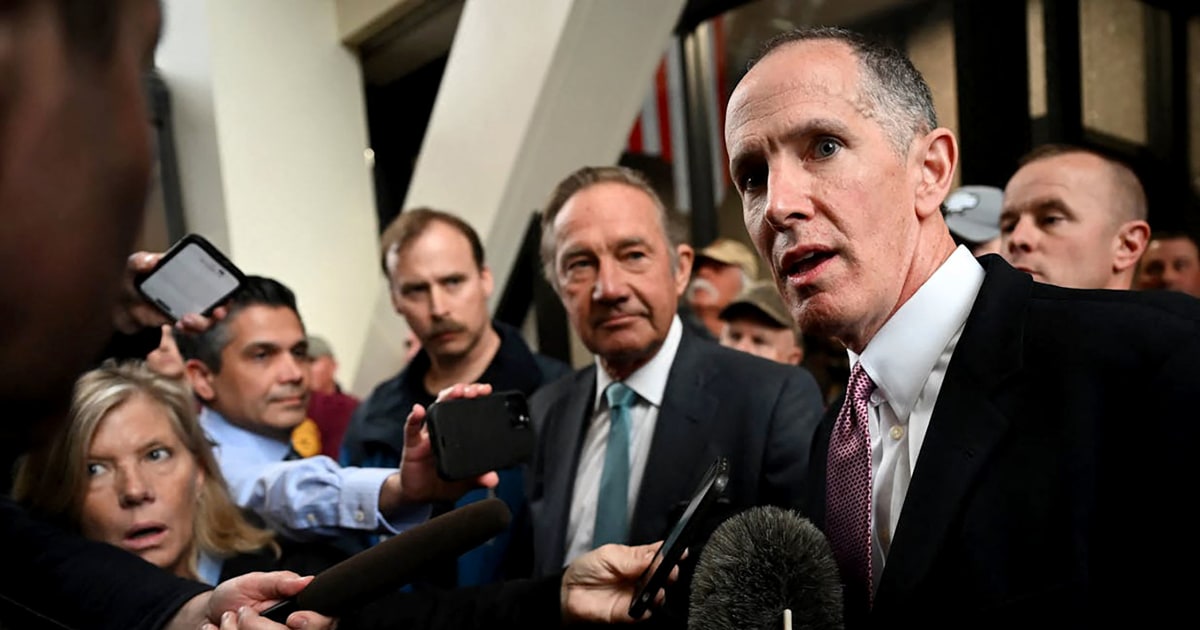
Far-Right Triumph in Chile: Jose Antonio Kast Secures Presidency

Far-Right Triumph: Jose Antonio Kast Claims Chile's Presidency
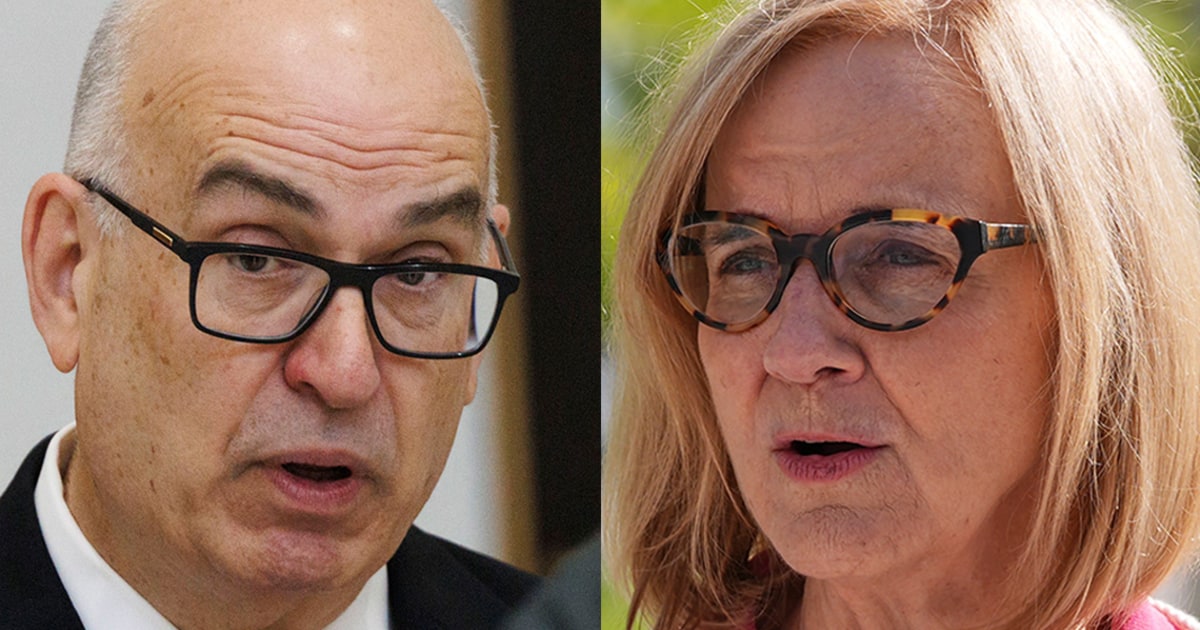
Jose Antonio Kast, the Republican Party candidate, secured a resounding victory in Chile's presidential runoff on December 14, 2025, defeating Communist Party's Jeannette Jara with 58% of the vote. This win, the highest vote total in Chilean history at 7.2 million, swept every region, marking the first far-right presidency since democracy's return in 1990.[1][2][3]
Driving Forces Behind the Victory
The election hinged on voter fury over surging gang violence, Venezuelan migration, and economic woes, sidelining traditional debates. Kast pledged border ditches with Peru and Bolivia, mass deportations, maximum-security prisons, and $6 billion in public spending cuts, echoing U.S. immigration enforcement. Right-wing candidates dominated the November 16 first round with 70% combined support, as endorsements from rivals like Evelyn Matthei propelled him forward.[1][4]
Latin America's Rightward Shift and Future Implications
Kast's success mirrors far-right gains in Argentina and beyond, signaling South America's conservative surge amid insecurity demands. Though some analysts note votes reflected anti-crime pragmatism over ideology, his law-and-order agenda promises market-friendly reforms and unity efforts, with inauguration set for March 2026. Chile faces a pivotal transformation.[3][4]
About the People Mentioned
Jeannette Jara
Jeannette Alejandra Jara Román, born on April 23, 1974, in Conchalí, Santiago, Chile, is a Chilean lawyer, public administrator, and politician affiliated with the Communist Party of Chile.[3][5] From a humble background, she worked as a farm worker, street food vendor, and product promoter before studying at the University of Santiago de Chile, where she earned degrees in public administration and a master's in management and public policy, followed by a law degree from Universidad Central.[1][2][5] An early activist, she joined the Communist Youth at age 14, led student protests for democratization post-Pinochet, and served as president of the University of Santiago's student federation in 1997.[1][5] Jara's public career began in the Internal Revenue Service and the Civil Servants’ Association, advancing to roles in the Ministry of Social Development and Ministry of Labor.[1] She was Undersecretary of Social Security under President Michelle Bachelet from 2016 to 2018.[3][5][6] In 2022, President Gabriel Boric appointed her Minister of Labor and Social Welfare, a position she held until 2025.[3][4] As labor minister, Jara achieved landmark reforms through tripartite negotiations with employers, unions, and government: reducing the workweek from 45 to 40 hours; increasing the minimum wage by over 50%—the largest real hike in three decades; advancing pension reform after a decade of debate; ratifying ILO Conventions 190 and 176 on workplace violence and safety; and passing laws for work-life balance and harassment prevention.[1][2][4][5] These successes highlighted her negotiation skills and bridged worker and business interests.[1][4] In 2025, Jara won her coalition's presidential primary in June with over 60% of votes, gaining historic Christian Democratic support.[1][3] She topped the first-round presidential election on November 16 with 27%, advancing to a runoff against right-wing José Antonio Kast on December 14, which she lost.[2][3][6] Her campaign emphasized unity, public safety with a social focus, economic security via a $800 monthly living income, infrastructure, and housing, building on Boric-era gains.[2] At 51, Jara remains a key left-wing figure, noted for her pragmatic style over dogmatic communism.[6][7]
About the Organizations Mentioned
Republican Party
The **Republican Party**, also known as the **GOP (Grand Old Party)**, is one of the two major political parties in the United States, founded in 1854 primarily by anti-slavery activists opposing the Kansas-Nebraska Act and the expansion of slavery into U.S. territories[1][5]. It was formed from a coalition of former Whigs, Democrats, and Free Soil party members who shared opposition to slavery and a desire for a national political force promoting economic development and social order[2][5]. The party's early base included northern Protestants, businessmen, factory workers, professionals, and prosperous farmers. It strongly supported pro-business policies like the national banking system, the gold standard, railroads, and high tariffs[1][3]. Abraham Lincoln, the first Republican president elected in 1860, led the party through the Civil War, championing the abolition of slavery and the preservation of the Union. This solidified the GOP’s dominance in national politics for decades, especially in the North, while it remained weak in the South[1][5][6]. Historically, the Republican Party was instrumental in major social reforms, including the Emancipation Proclamation and the passage of the 13th, 14th, and 15th Amendments, which abolished slavery, guaranteed equal protection, and secured voting rights for African Americans, respectively[6]. The party also supported women's suffrage early on, backing the 19th Amendment[6]. In the 20th century, Republicans were associated with both conservative economic policies—favoring reduced taxes, limited government regulation, and individual economic freedom—and a strong national defense[7]. The party experienced ideological splits, notably in 1912 when Theodore Roosevelt led a progressive faction away from the conservative wing[1][5]. Today, the GOP continues to promote conservative social policies and states’ rights, opposing extensive federal intervention and advocating free-market principles[7]. For readers interested in business and technology,
Communist Party
“Communist Party” is a generic name used by multiple political organizations worldwide; the most prominent is the Communist Party of the Soviet Union historically and today’s largest ruling party is the Communist Party of China (CPC). Below is a 300‑word summary that treats “Communist Party” as the general type of organization, with attention to history, activities, achievements, current status, and notable aspects relevant to business and technology readers. A Communist Party is a political organization founded on Marxist (often Marxist–Leninist) principles that seeks to organize the working class to replace capitalist relations with socialism and, ultimately, communism. Communist parties typically combine political education, labor and community organizing, electoral strategy, and, in some cases, centralized governance when they hold state power[4][1]. Historically, modern Communist Parties emerged after the 1917 Russian Revolution, spread via the Communist International, and influenced labor, anti-colonial, civil‑rights, and peace movements through the 20th century[1][4]. Key achievements include driving rapid industrialization and mass literacy in ruling-party states (notably the Soviet Union and the People’s Republic of China), establishing universal public services in socialist states (healthcare, education), and shaping labor protections and social policy even where they remained opposition parties[2][4]. In current status, Communist Parties span governing major parties—such as the CPC, which presides over China’s state‑led, market‑integrated model and large-scale tech and infrastructure investment—and opposition or extra‑parliamentary parties that focus on labor rights, environmental and social campaigns in pluralist systems[2][4]. Notable aspects for business and technology audiences include: the CPC’s role in steering national industrial policy, state coordination of strategic tech sectors (AI, semiconductors, telecoms), and public‑private hybrid models that combine market incentives with party direction