France Raids X Offices Over Child Abuse Allegations: Deepfakes and Regulation Tensions
X Offices Raided in France Over Child Abuse Allegations
French prosecutors have launched a high-stakes investigation into social media giant X, raiding its offices amid serious claims of disseminating child sexual abuse images and deepfake content. Owner Elon Musk has been summoned for questioning, escalating tensions between regulators and the platform formerly known as Twitter. This probe highlights growing global scrutiny on tech firms failing to curb harmful material.
Details of the Investigation
The raids targeted X's Paris facilities, focusing on allegations that the platform enabled the spread of explicit child imagery and AI-generated deepfakes mimicking abuse. Prosecutors allege systemic lapses in content moderation since Musk's acquisition, with reports of unchecked uploads during election periods. No charges have been filed yet, but authorities seized servers and documents to trace distribution networks. Musk's free speech advocacy now faces legal pushback in Europe.
Broader Implications for Tech and Safety
This action underscores France's aggressive stance against online exploitation, mirroring probes into political financing scandals. For X, already criticized for misinformation and hate speech, the fallout could mean hefty fines or operational curbs. Users demand stronger safeguards, urging platforms to prioritize child protection over unchecked posting. The case may set precedents for international deepfake regulations.
About the People Mentioned
Elon Musk
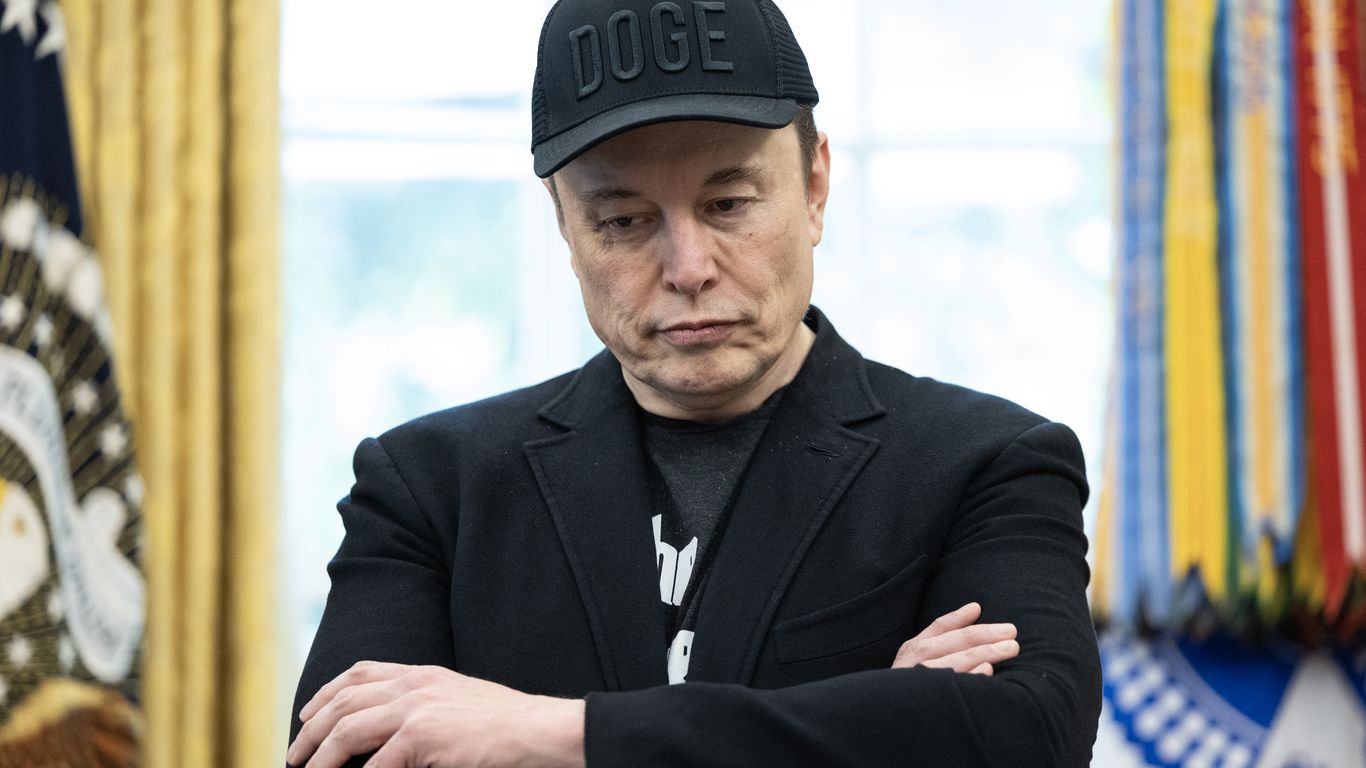
Elon Reeve Musk, born on June 28, 1971, in Pretoria, South Africa, is a prominent entrepreneur and business magnate known for founding and leading several transformative technology companies. He holds dual citizenship in Canada and the United States and earned bachelor's degrees in physics and economics from the University of Pennsylvania in 1997. Musk began his entrepreneurial career in the 1990s by co-founding Zip2, a software company, and later X.com, which evolved into PayPal, an online payment system acquired by eBay in 2002. In 2002, Musk founded SpaceX, a pioneering aerospace manufacturer and space transport services company, where he serves as CEO and chief engineer. SpaceX is notable for its advancements in reusable rocket technology and commercial spaceflight. In 2004, he joined Tesla Motors as an early investor and took on the roles of CEO and product architect in 2008, driving the company to the forefront of electric vehicle manufacturing. Musk also co-founded Neuralink in 2016, focusing on neurotechnology, and founded The Boring Company in 2017, which develops tunneling and infrastructure projects. In 2015, Musk co-founded OpenAI to promote artificial intelligence research but later left due to differences in vision, subsequently founding xAI. In 2022, he acquired the social media platform Twitter, rebranding it as X in 2023, and has been involved in various business and political activities, including a brief advisory role in the Trump administration's Department of Government Efficiency in early 2025. Musk is recognized as one of the wealthiest individuals globally, with an estimated net worth of $500 billion as of October 2025. His career is marked by significant influence across sectors including space exploration, electric vehicles, AI, social media, and infrastructure development, with ongoing legal and regulatory scrutiny related to his business practices and investments. He is also known for his complex personal life, including fathering 14 children[1][2][3].
About the Organizations Mentioned
X
## Overview X, formerly known as Twitter, is one of the world’s most influential social media and technology companies, renowned for its real-time communication platform that has shaped global discourse, news dissemination, and digital culture. Headquartered in San Francisco, California, X operates a microblogging service that allows users to post short messages (originally limited to 140 characters, later expanded to 280), share media, and engage in public and private conversations[2][4]. ## History X began as Twitter, launched in March 2006 by Jack Dorsey, Noah Glass, Biz Stone, and Evan Williams as a side project at Odeo, a podcasting company[2][4]. The platform quickly evolved from a simple status-update tool into a global hub for breaking news, political activism, and cultural trends. By 2012, it had over 100 million users posting 340 million tweets daily, and it went public in 2013 with a valuation exceeding $31 billion[2][4]. Over the years, Twitter acquired notable platforms like Vine (short-form video) and Periscope (live streaming), and introduced features such as algorithmic feeds, threaded conversations, and expanded media capabilities[2][4]. ## Key Achievements Twitter became a critical tool during major global events, notably the Arab Spring, where it facilitated protest coordination and real-time updates[4]. Its role in shaping public opinion, enabling celebrity-fan interactions, and serving as a primary news source for millions underscored its cultural and political significance. The platform’s innovations—such as hashtags, retweets, and verified accounts—set industry standards for social media engagement[4]. ## Current Status and Notable Developments In April 2022, Elon Musk, CEO of Tesla and SpaceX, launched a $44 billion bid to acquire Twitter, culminating in a contentious acquisition process that concluded in October 2022[2][5][6]. Musk’s takeover brought sweeping changes: mass
Twitter, now rebranded as X, is a global communications company based in San Francisco that operates a social media and microblogging platform where users post short messages called tweets, limited to 280 characters[1][3]. Founded in 2006, Twitter quickly became a vital platform for real-time public conversation, news dissemination, and social commentary, serving a broad user base including businesses, journalists, politicians, and celebrities[2][3]. Elon Musk acquired Twitter in October 2022 for $44 billion, privatizing the company and merging it into X Corp., marking a strategic rebranding aimed at transforming Twitter into an AI-powered “super app” that integrates social media, content, AI tools, and financial transactions in one platform[1][3]. This transition ended Twitter’s existence as a standalone company and led to substantial operational changes, including reduced content moderation, workforce reductions, and new monetization models like subscription services and creator monetization[1][3]. As of 2025, X (Twitter) has around 561 million monthly active users globally, with approximately 132 million daily active users, though user engagement has declined since Musk’s takeover[4][5][6]. The platform remains influential, particularly for real-time updates, professional networking, and viral content sharing, distinguishing itself from competitors like Facebook, Instagram, and TikTok through its focus on public discourse and newsworthiness[2]. However, the shift in content policies and the introduction of paid verification have driven advertisers away, causing a significant drop in advertising revenue despite overall growth in subscription income[1][6]. Twitter’s core value lies in its open conversation model, which fosters debate and information exchange at scale. Its evolution into X represents an ambitious vision to become a multifunctional digital hub, balancing its legacy as a microblogging pioneer with cutting-edge AI-driven innovations under Musk’s leadership[1][3].