Governor Walz Condemns Trump's Offensive Remarks Against Minnesota Somali Community
Governor Walz Condemns Trump's Offensive Remarks
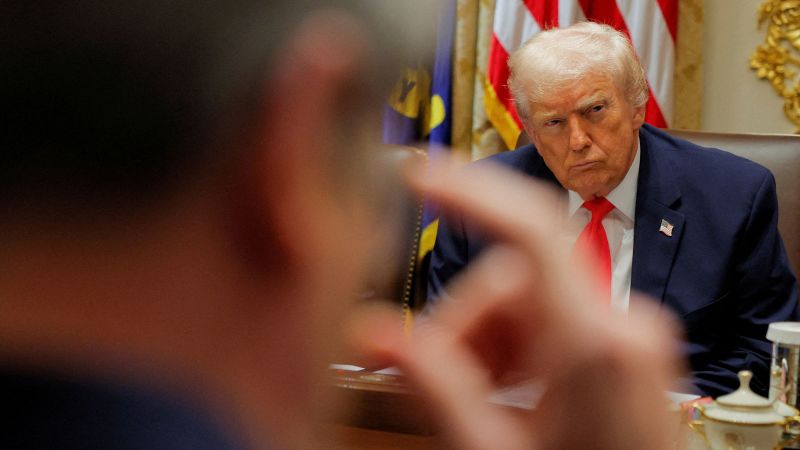
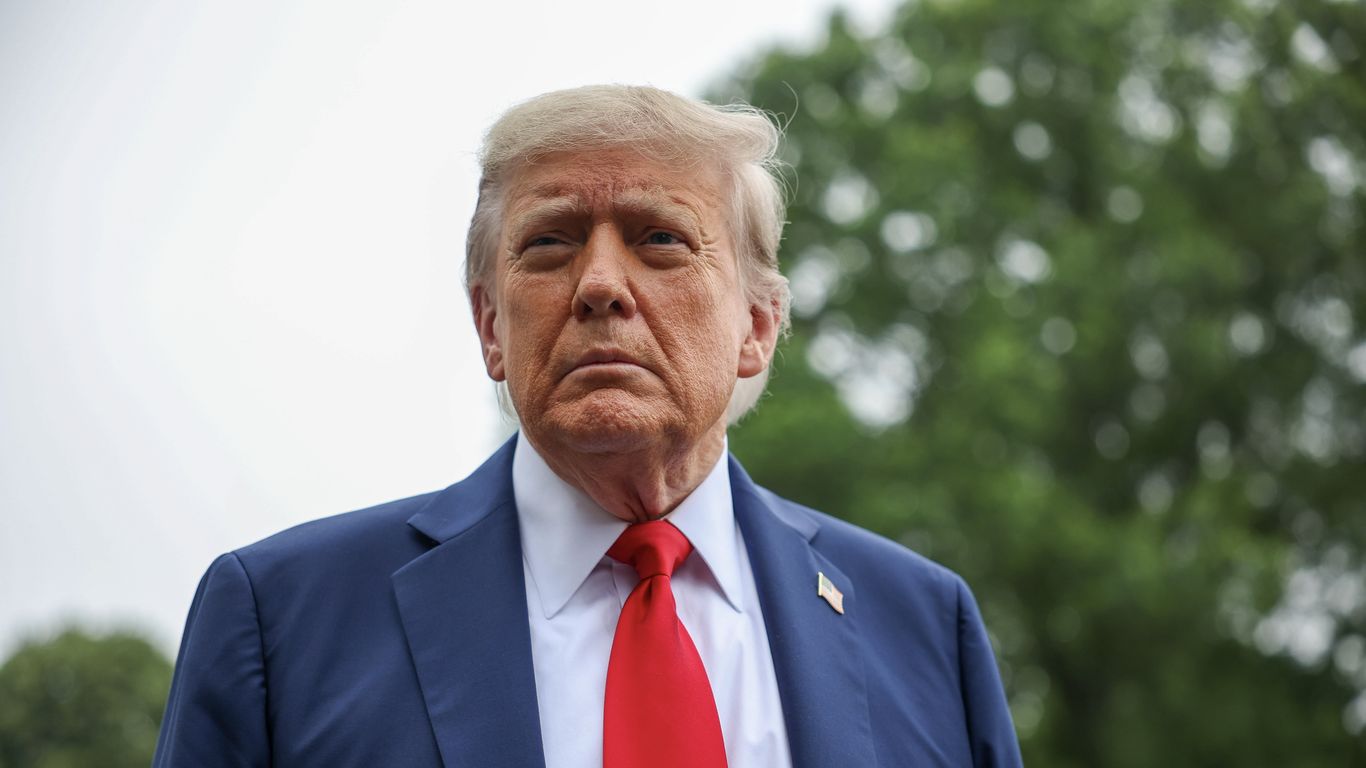
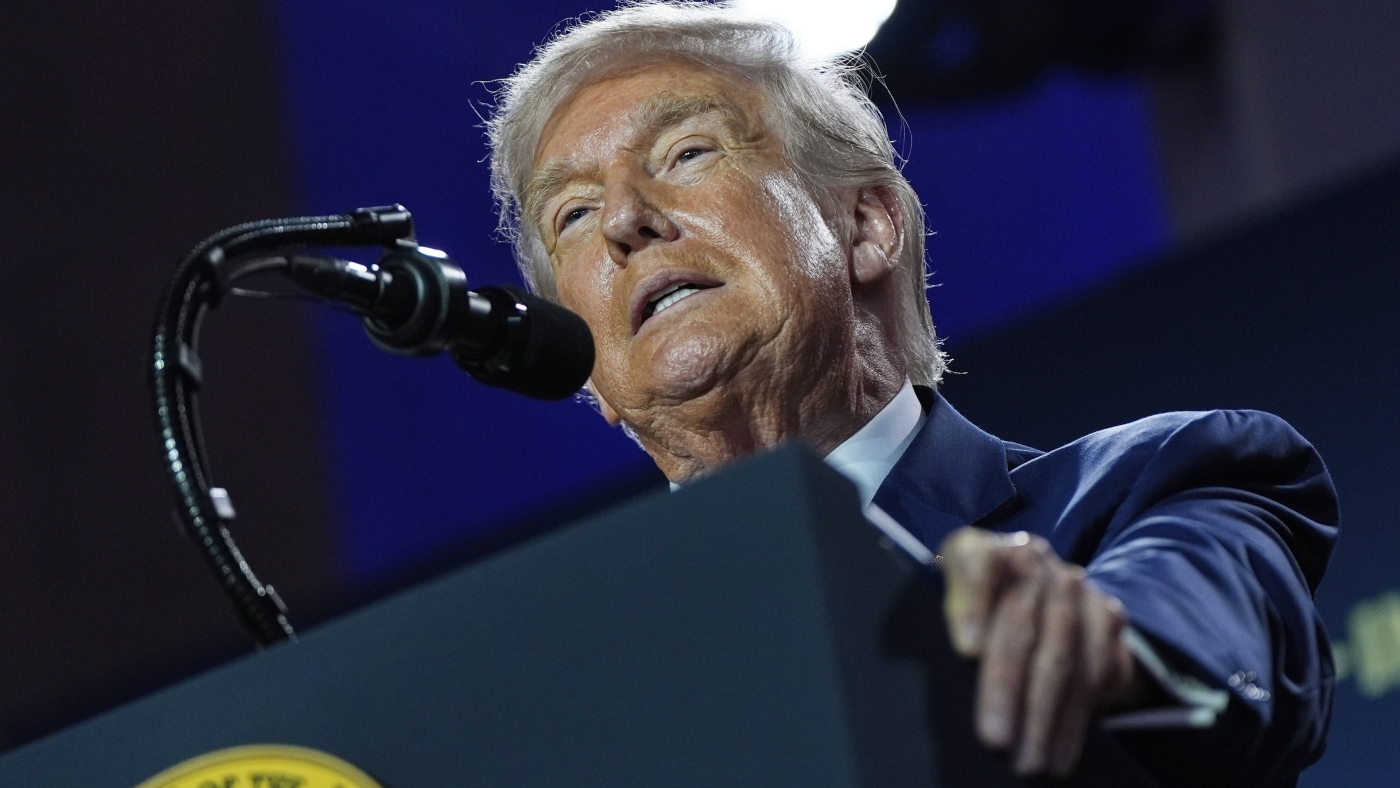
Democratic Governor Tim Walz strongly denounced former President Donald Trump’s recent derogatory comments about Minnesota’s Somali community, which Trump labeled as “garbage” and disparaged the state as a “hellhole.” Walz described these statements as unprecedented and deeply harmful, especially to young children within the Somali community who heard the slur. The governor emphasized that such rhetoric damages the social fabric of Minnesota and unjustly maligns its diverse population.
Standing Against Hate and Division
Walz called the remarks “vile racial slander” and urged all Minnesotans to reject this hateful behavior. He reassured the Somali and other immigrant communities that the state stands united against such attacks and will continue fostering inclusion and respect. Highlighting Minnesota’s ongoing commitment to collaboration and investment in its people, Walz reaffirmed efforts to build a welcoming environment for all residents despite divisive political rhetoric.
About the People Mentioned
Tim Walz
Timothy James Walz (born April 6, 1964) is an American politician, former educator, and Army National Guard veteran who has served as the **41st governor of Minnesota** since January 2019.[1][6] A member of the Democratic–Farmer–Labor Party (DFL), he was elected governor in 2018 and re‑elected in 2022.[1][6] Walz was born in West Point, Nebraska, and raised in a rural community.[1][5] He enlisted in the **Army National Guard** at age 17 and served for 24 years, retiring as a command sergeant major.[2][5] He earned a bachelor’s degree in social science education from Chadron State College and later a master’s in educational leadership from Minnesota State University, Mankato.[2][4] Walz worked as a high school teacher and football coach, including at Mankato West High School, and previously taught on the Pine Ridge Reservation and in China through a Harvard-affiliated program.[2][4][5] Entering politics, Walz was elected in 2006 to the U.S. **House of Representatives** for Minnesota’s 1st Congressional District, a largely rural and traditionally conservative area, and served six terms from 2007 to 2019.[1][2] In Congress he served on the Agriculture, Armed Services, and Veterans’ Affairs committees, and held leadership roles on subcommittees dealing with farm policy and veterans’ issues.[2][5] As governor, Walz has overseen Minnesota’s responses to the **COVID‑19 pandemic** and the civil unrest following the 2020 murder of George Floyd.[1] His administration has emphasized education, health care, and economic support for working families, and he has signed legislation expanding paid leave, cutting certain fees, and lowering some prescription drug costs.[3][6] In 2023 he approved a public safety bill establishing **universal background checks** and “red flag” laws for firearms.[1][3] Minnesota under Walz also codified abortion rights in state law after the overturning of Roe v. Wade, keeping the state a regional access point for reproductive health services.[3] Walz was identified as a **vice‑presidential candidate in the 2024 election cycle**, raising his national profile beyond Minnesota politics.[2][3]
Donald Trump
Donald John Trump, born June 14, 1946, in Queens, New York, is an American businessman, media personality, and politician. He graduated from the University of Pennsylvania’s Wharton School in 1968 with a degree in economics. In 1971, he took over his family’s real estate business, renaming it the Trump Organization, through which he expanded into building and managing skyscrapers, hotels, casinos, and golf courses. Trump gained widespread fame as the host of the reality TV show *The Apprentice* from 2004 to 2015, which helped establish his public persona as a successful entrepreneur. Trump entered politics as a Republican and was elected the 45th president of the United States, serving from 2017 to 2021. His presidency was marked by significant policy actions including tax cuts, deregulation, the appointment of three Supreme Court justices, renegotiation of trade agreements (notably replacing NAFTA with the USMCA), and a focus on immigration control including border wall expansion. He withdrew the U.S. from international agreements such as the Paris Climate Accord and the Iran nuclear deal, and engaged in a trade war with China. His administration’s response to the COVID-19 pandemic was criticized for downplaying the virus’s severity. Trump was impeached twice by the House of Representatives—first in 2019 for abuse of power and obstruction, and again in 2021 for incitement of insurrection—but was acquitted by the Senate both times. After losing the 2020 election to Joe Biden, Trump challenged the results, culminating in the January 6, 2021, Capitol riot. He remains a central figure in American politics, having won the 2024 presidential election and returned as the 47th president in 2025, continuing to promote policies aimed at economic growth, border security, and military strength[1][2][3][4].