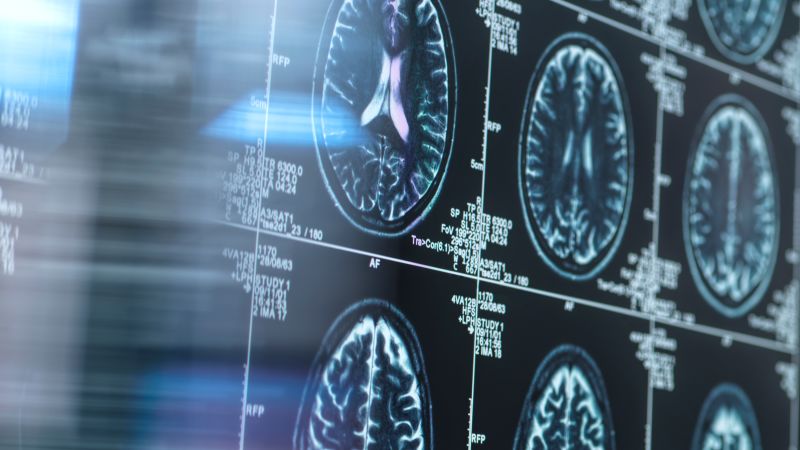
Grad Student Sparks Aging Breakthrough with Shape-Shifting Aptamers
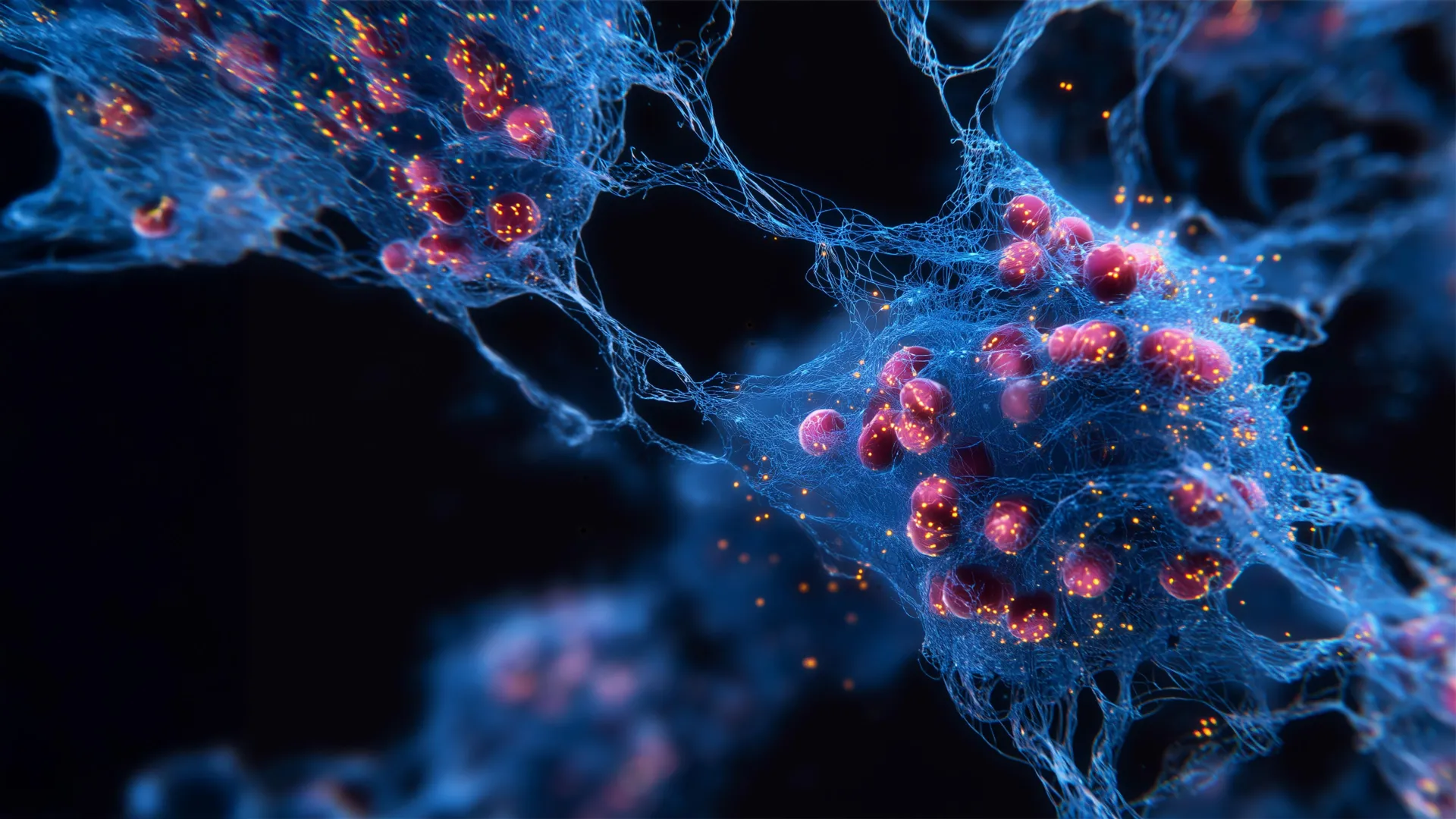
A Grad Student's Wild Idea Sparks Aging Breakthrough
In a serendipitous lab chat, Mayo Clinic grad student Dr. Pearson's bold notion revolutionized aging research. Senescent "zombie" cells, which halt division yet spew inflammatory signals fueling diseases like cancer and Alzheimer's, were finally detectable in living tissue. Traditional methods failed, but Pearson's inspiration struck during talks with fellow student Sarah Jachim.[1][5]
Aptamers: The Shape-Shifting DNA Detectives
From over 100 trillion random DNA sequences, researchers selected rare aptamers—tiny, folding synthetic DNA strands that latch onto unique surface proteins like fibronectin on zombie cells. In mouse fibroblasts and aged tissues, these aptamers glowed specifically on senescent cells, sparing healthy ones. Unlike costly antibodies, aptamers offer flexibility and affordability for precise targeting.[1][6]
Future Promise for Anti-Aging Therapies
This proof-of-concept paves the way for human applications, enabling drugs to zap zombie cells directly. By curbing their toxic senescence-associated secretory phenotype (SASP), treatments could extend healthspan, combat osteoporosis, and reduce frailty—without harming young tissues. A first step toward conquering age-related woes.[2][3]
About the Organizations Mentioned
Mayo Clinic
**Mayo Clinic** stands as the world's largest integrated, not-for-profit medical group practice, dedicated to transforming healthcare through clinical care, education, and research while prioritizing whole-person healing.[1][2] Its mission—"Inspiring hope and promoting health through integrated clinical practice, education and research"—drives a **team-based approach** pioneered nearly 150 years ago by brothers William and Charles Mayo, emphasizing innovation and patient needs first.[1][3] Founded in the late 19th century, Mayo Clinic has evolved into a global leader with campuses in Minnesota, Arizona, and Florida, plus regional networks and international sites.[1] Key **achievements** include topping U.S. News & World Report's "Best Hospitals" rankings for 2025-2026 (its 36th time at No. 1 overall) and earning more No. 1 specialty rankings than any U.S. hospital.[7][9] In Newsweek's 2025 lists, its Rochester campus led as the top "Smart Hospital" for AI, robotics, telemedicine, and digital imaging, with seven No. 1 specialized hospital rankings.[5] Today, Mayo Clinic advances its **Bold. Forward. Unbound.** strategy to **cure**, **connect**, and **transform** healthcare.[6][8] The Mayo Clinic Platform leverages de-identified data and AI for global insights, accelerating diagnoses and therapies.[1][2] The Kern Center for Health Care Delivery Science embeds research in practice, tackling real-world challenges like chronic diseases via multidisciplinary teams.[4] Expansions include a carbon ion facility in Florida and AI-infused infrastructure in Minnesota, enhancing biomanufacturing and patient experiences.[8] Guided by core values—respect, integrity, compassion, healing, teamwork, innovation, excellence, and stewardship—Mayo Clinic invests in communities (e.g., over $1 million in Q2 2025 grants) and serves patient