The Kennedy Center: A Presidential Legacy of Arts and Diplomacy
The Kennedy Center's Presidential Legacy
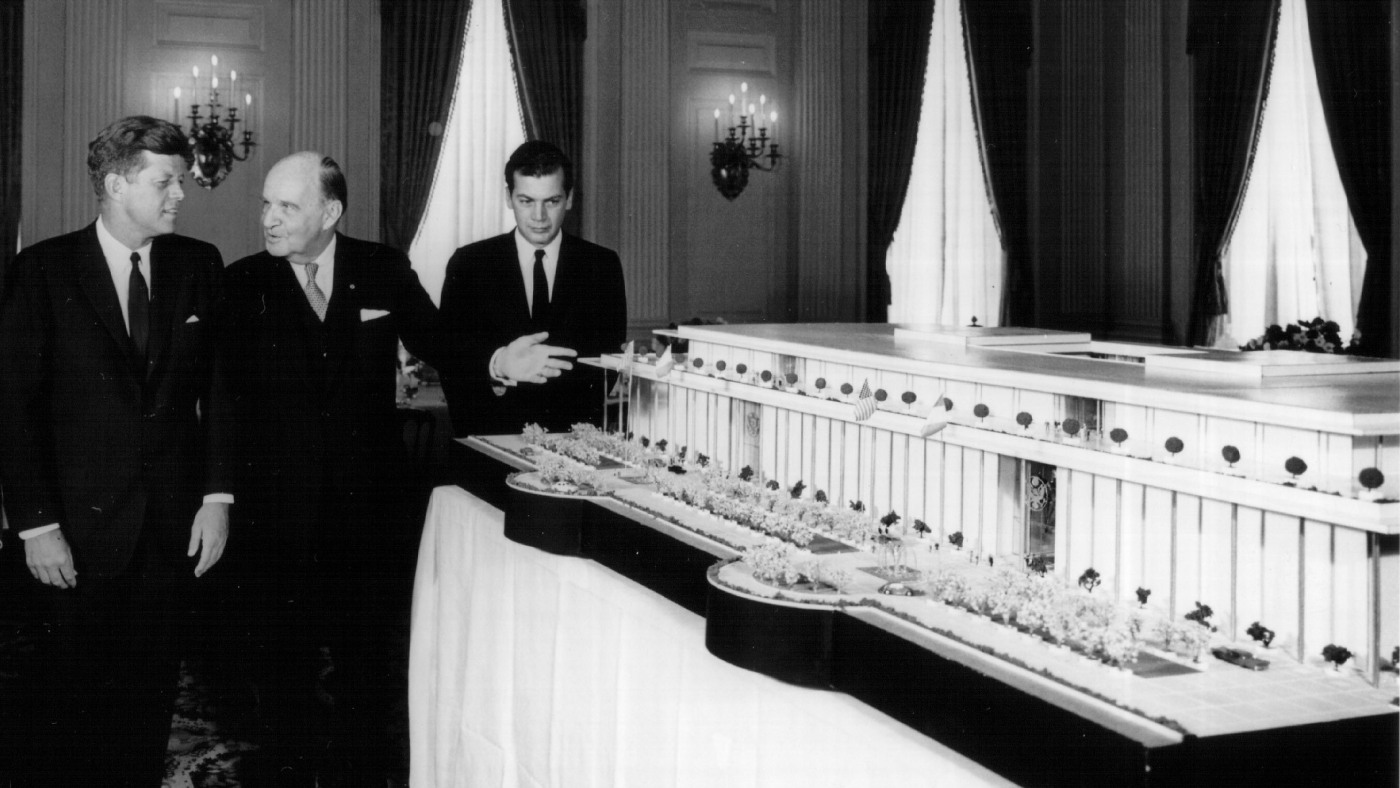
Washington, D.C.'s iconic Kennedy Center for the Performing Arts bears President John F. Kennedy's name, honoring his assassination in 1963, yet its origins trace back to Dwight D. Eisenhower's vision.[1][2] Eisenhower proposed a national cultural hub in 1955 to showcase American talent, signing the National Cultural Center Act in 1958 after heated congressional debates.[1]
Eisenhower and Johnson's Enduring Influence
Lyndon B. Johnson propelled the project forward, breaking ground in 1964 and dedicating the center in 1971, realizing Kennedy's dream of arts as democracy's cornerstone.[2] Spanning 16 years, the effort united two Republicans and two Democrats in bipartisan cooperation, with Edward Durell Stone's architecture symbolizing cultural ambition.[1] The center hosted landmark events like the Bolshoi Ballet's U.S. debut, advancing Kennedy's cultural diplomacy.[2]
Evolution and Recent Turmoil
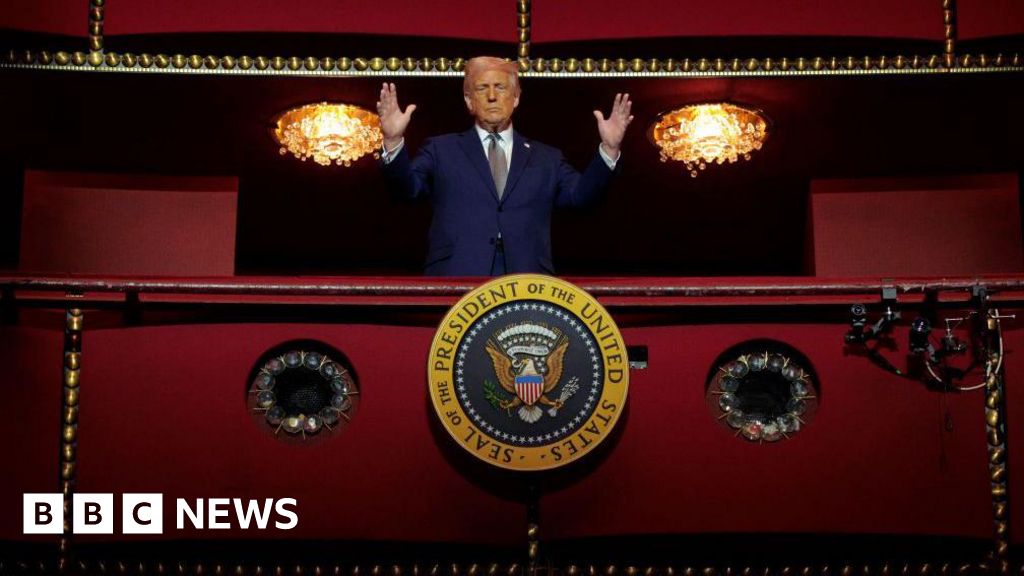
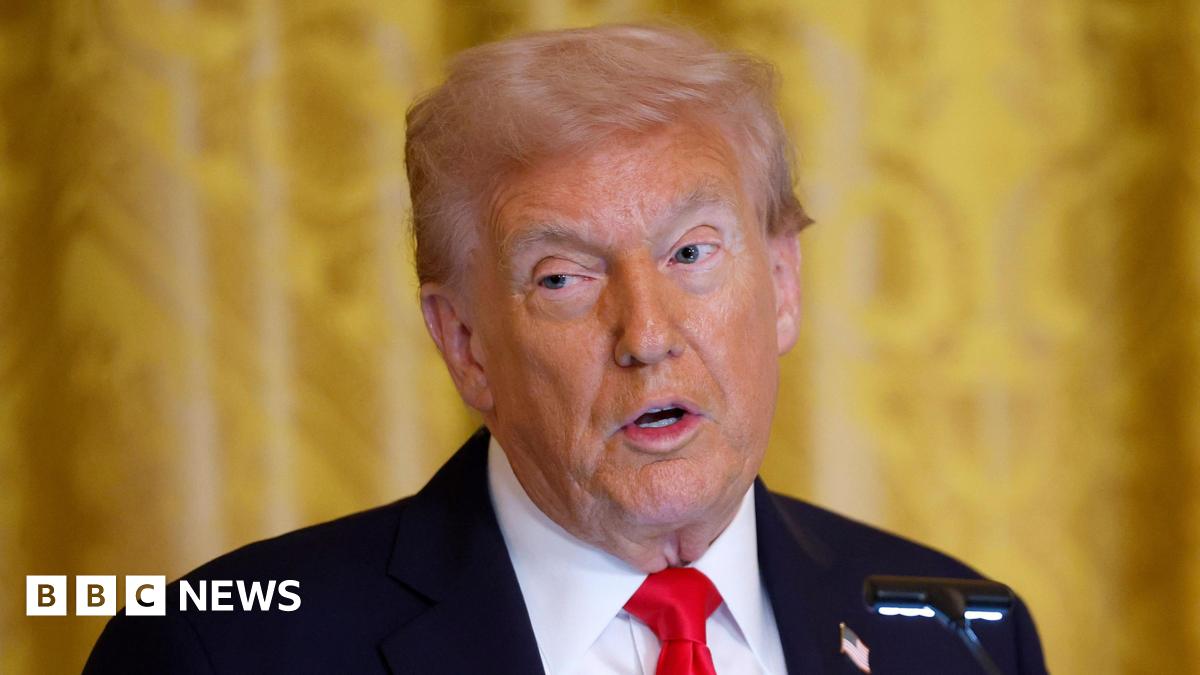
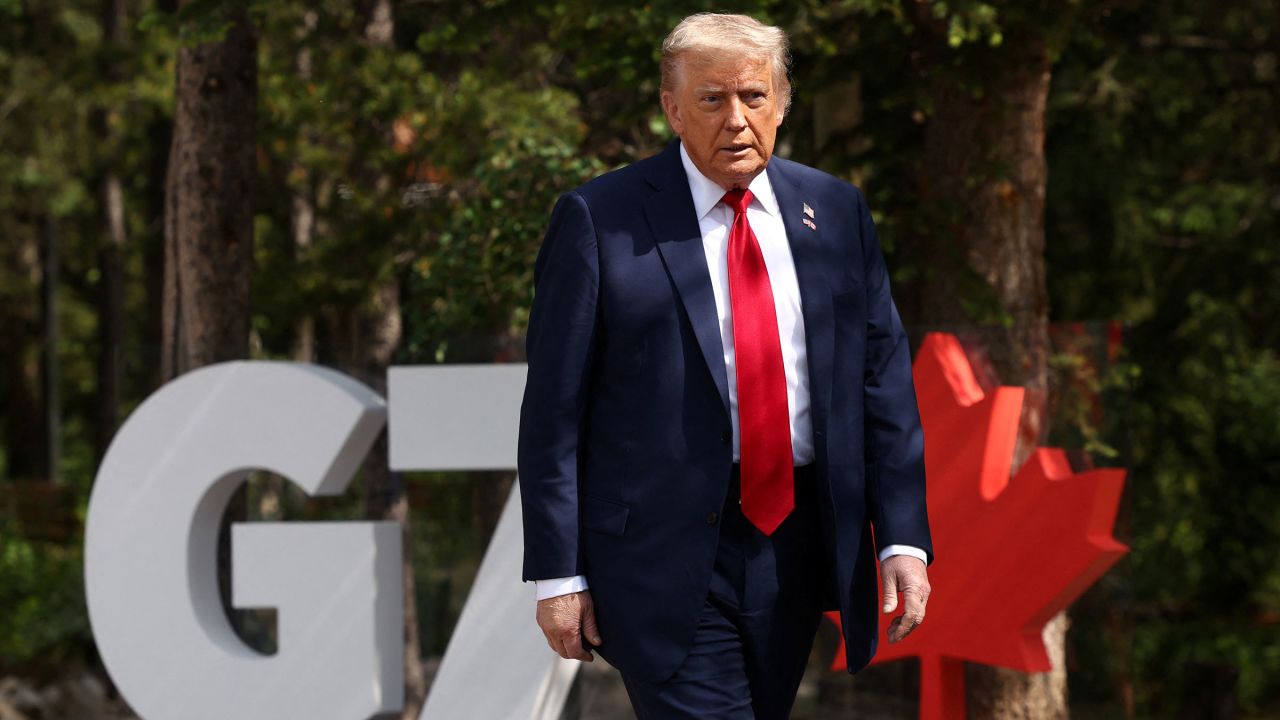
For decades, presidents appointed balanced boards while staff managed 2,000 annual performances for millions.[2] In 2025, unprecedented changes emerged as President Trump dismissed the board, assumed chairmanship, and hosted the Kennedy Center Honors, shifting its independent tradition.[1]
About the People Mentioned
Donald Trump
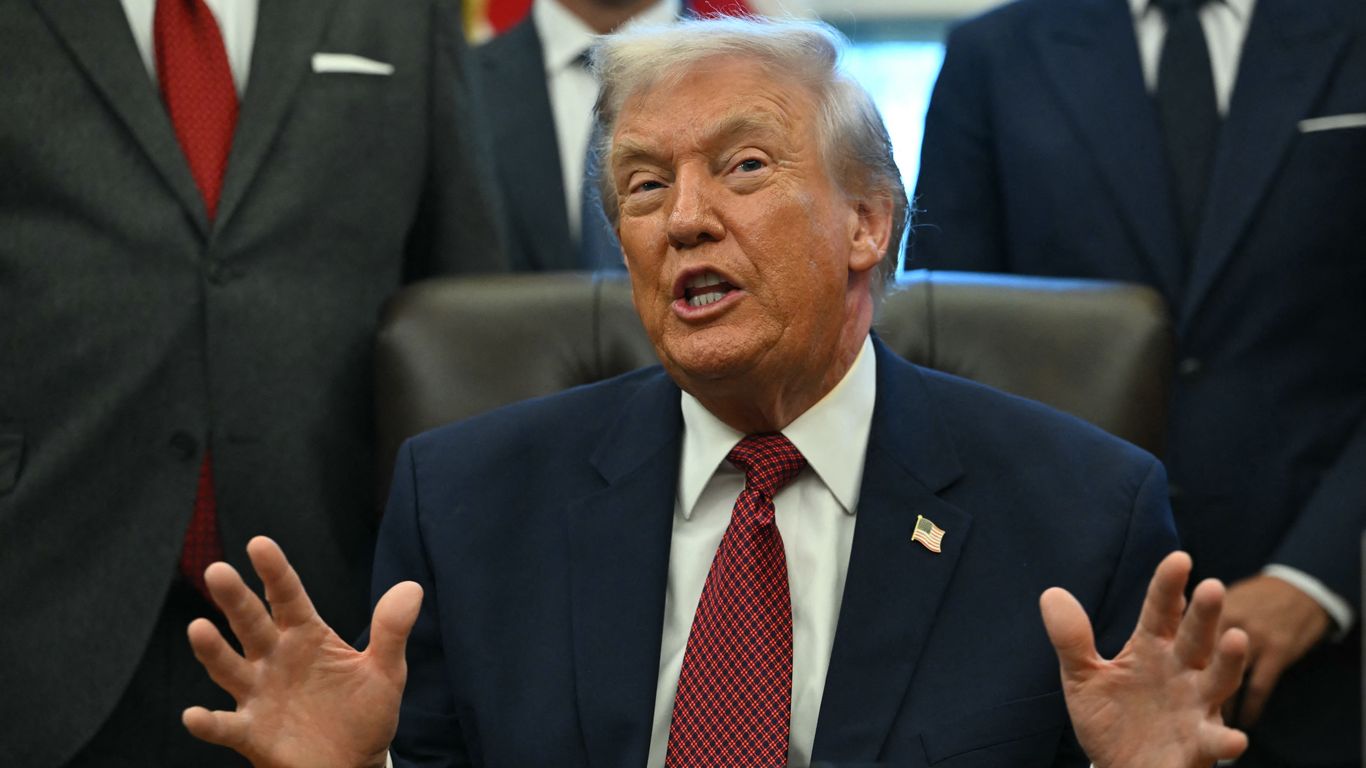
Donald John Trump, born June 14, 1946, in Queens, New York, is an American businessman, media personality, and politician. He graduated from the University of Pennsylvania’s Wharton School in 1968 with a degree in economics. In 1971, he took over his family’s real estate business, renaming it the Trump Organization, through which he expanded into building and managing skyscrapers, hotels, casinos, and golf courses. Trump gained widespread fame as the host of the reality TV show *The Apprentice* from 2004 to 2015, which helped establish his public persona as a successful entrepreneur. Trump entered politics as a Republican and was elected the 45th president of the United States, serving from 2017 to 2021. His presidency was marked by significant policy actions including tax cuts, deregulation, the appointment of three Supreme Court justices, renegotiation of trade agreements (notably replacing NAFTA with the USMCA), and a focus on immigration control including border wall expansion. He withdrew the U.S. from international agreements such as the Paris Climate Accord and the Iran nuclear deal, and engaged in a trade war with China. His administration’s response to the COVID-19 pandemic was criticized for downplaying the virus’s severity. Trump was impeached twice by the House of Representatives—first in 2019 for abuse of power and obstruction, and again in 2021 for incitement of insurrection—but was acquitted by the Senate both times. After losing the 2020 election to Joe Biden, Trump challenged the results, culminating in the January 6, 2021, Capitol riot. He remains a central figure in American politics, having won the 2024 presidential election and returned as the 47th president in 2025, continuing to promote policies aimed at economic growth, border security, and military strength[1][2][3][4].
About the Organizations Mentioned
Kennedy Center for the Performing Arts
The **John F. Kennedy Center for the Performing Arts**, the United States' national cultural hub on the Potomac River in Washington, D.C., serves as a living memorial to President John F. Kennedy, presenting classical and contemporary music, opera, drama, dance, and diverse genres like jazz, pop, and folk to over two million visitors annually.[1][2][3][4] Authorized by Congress in 1958 under President **Dwight D. Eisenhower**'s vision for a "National Cultural Center," the project gained momentum through Kennedy's advocacy for arts as democratic soft power during the Cold War, and President Lyndon B. Johnson's Great Society push for accessible culture. Renamed post-Kennedy's assassination, it opened on September 8, 1971, with Leonard Bernstein's *Mass* premiere, following a public debut three days earlier.[2][5] Key venues include the 2,460-seat Concert Hall (home to the National Symphony Orchestra), Opera House (Washington National Opera), Eisenhower Theater, Terrace Theater (a Japanese Bicentennial gift, renovated 2015-2019 for ADA compliance), and the 2019-opened **REACH**—an innovative, immersive expansion blending performance, learning, and digital art spaces.[2][4] The center's mission emphasizes excellence, cultural diversity, education, and civic events.[1][3] Achievements spotlight co-producing over 150 new theater works and operas (e.g., John Adams'), daily free **Millennium Stage** performances since 1997 (365 days yearly), and nationwide outreach reaching 11 million via residencies, master classes, and affordable tickets for underserved groups. It leads in accessibility and professional training through programs like the Kennedy Center Institute for Arts Management.[2][3] Today, as America's busiest arts facility, it thrives digitally and in-person, renting spaces for events up to 1,000 guests while nurturing emerging artists ami
Bolshoi Ballet
The **Bolshoi Ballet**, one of the world's premier classical ballet companies, delivers elaborate productions of 19th-century classics like *Don Quixote* and *Swan Lake*, blending virtuoso technique, dramatic flair, and Russian folk elements at Moscow's iconic Bolshoi Theatre.[1][2][5] Founded in 1776 by Prince Pyotr Urusov and English entrepreneur Michael Maddox as the Petrovsky Theatre—backed by Empress Catherine the Great—it drew early dancers from Moscow orphanages and opened its first venue in 1781, pioneering a style fusing ballet with melodrama and comedy.[1][4][7] Its history is marked by resilience: fires destroyed early wooden theaters in 1805 and later, leading to the grand neoclassical Bolshoi Theatre's completion in 1825, named for its "big" status housing noble arts like opera and ballet.[3][4][5] Imperial patronage flourished under figures like Marius Petipa, who premiered *Don Quixote* in 1869, while Alexander Gorsky's early 20th-century reforms introduced realism inspired by Stanislavsky.[2][4][5] Soviet control post-1917 elevated it as a propaganda tool via Social Realism, surviving the Cold War as a cultural export symbolizing Russian power.[1][4] Key achievements include global influence—non-Russian dancers adopted Slavic names for credibility—and nurturing stars through the Bolshoi Ballet Academy (formerly Moscow Academic Choreographic School since 1961).[3][5] Under Yuri Grigorovich (1964–1995), it became a top troupe known for athleticism and bold choreography.[5][6] Today, the Bolshoi operates a ten-month season of local and international tours, post a major 2011 reconstruction, maintaining its status as Moscow's landmark and a tech-savvy venue with advanced staging amid geopolitical challenges like the