Louvre Water Leak Exposes Preservation Challenges and Security Gaps
Water Leak at the Louvre Causes Extensive Damage
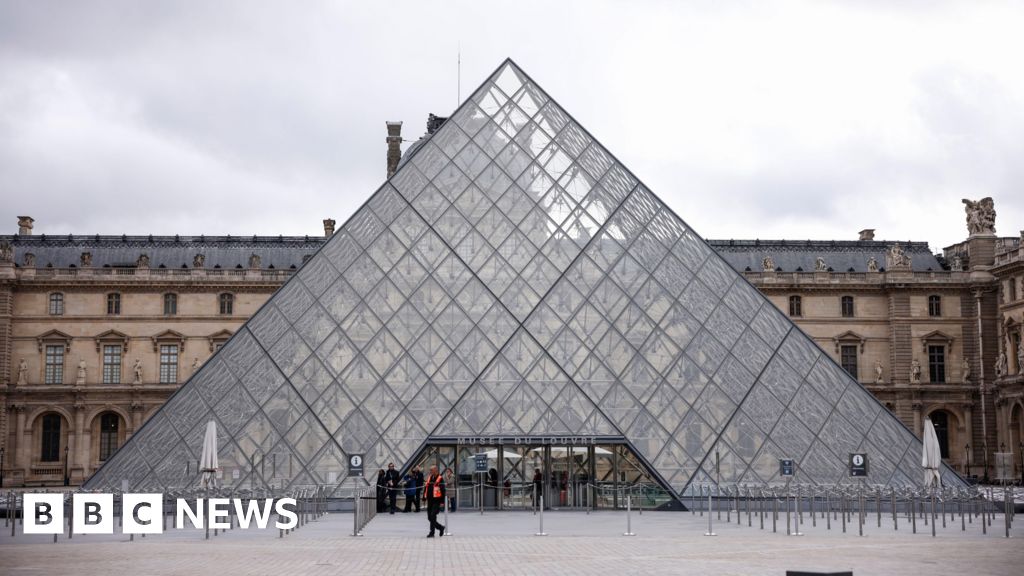
A recent water leak in the Louvre’s Egyptian department has damaged around 400 books and documents, primarily from the late 19th and early 20th centuries. Museum staff are painstakingly drying each affected page to salvage these invaluable historical records. Thankfully, no artworks were harmed in the incident, but the damage highlights ongoing infrastructure vulnerabilities at the world-renowned museum.
Security and Maintenance Concerns Intensify
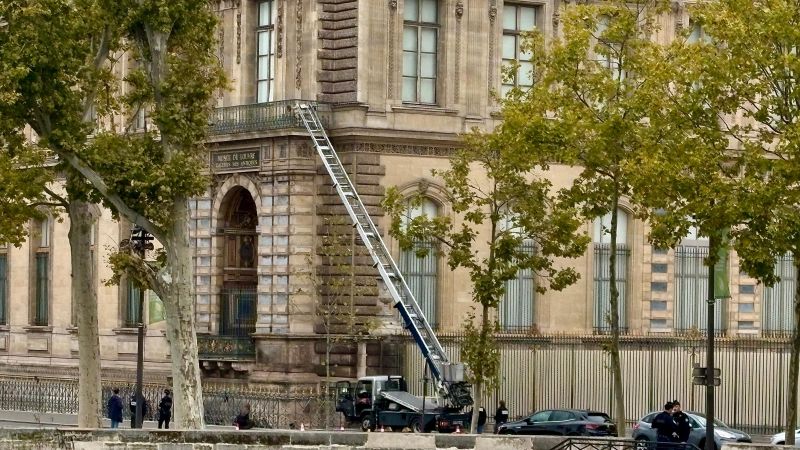
This leak follows closely on the heels of a high-profile jewellery heist at the Louvre, which raised serious questions about the security measures in place. Critics argue that the institution urgently needs comprehensive repairs and upgrades to both its physical structure and security systems to protect its vast collections effectively.
Implications for Cultural Preservation
The incident underscores the challenges faced by major cultural institutions in preserving delicate historical materials. As restoration efforts continue, the Louvre’s situation serves as a crucial reminder of the need for ongoing investment in museum infrastructure and safety protocols to prevent future losses.
About the Organizations Mentioned
Louvre
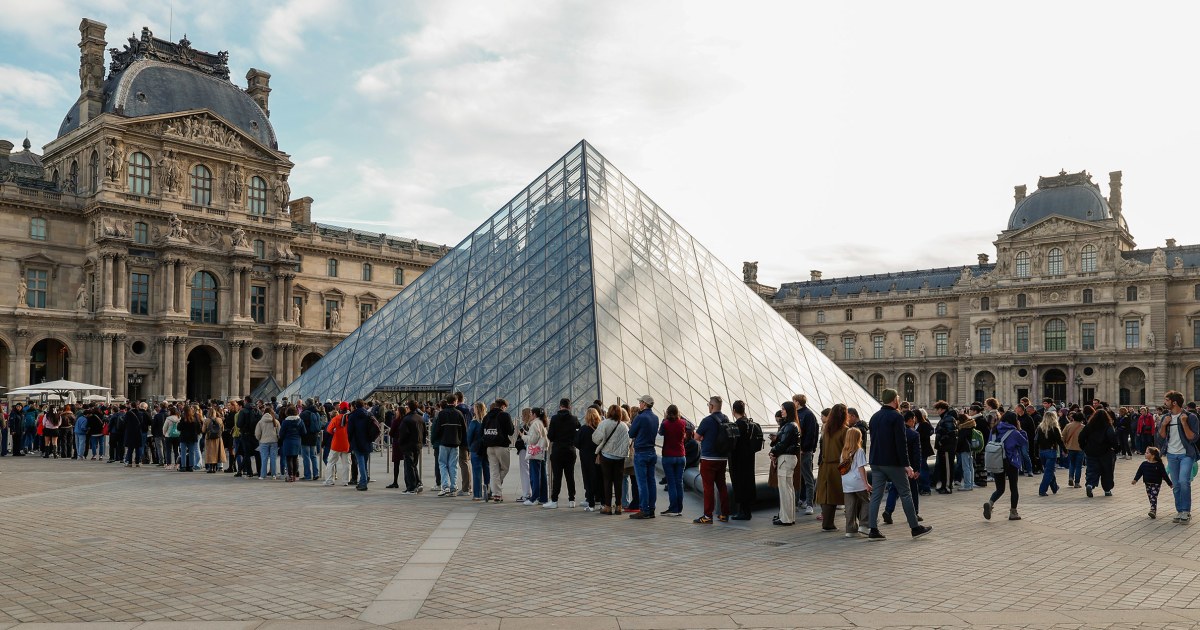
The Louvre is the world’s largest and most famous art museum, originally built as a fortress in the late 12th century to protect Paris's western edge. It evolved into a royal residence by the 14th century, with major Renaissance renovations initiated by King Francis I in 1546, who began transforming it into a palace and an art collection center. Subsequent French monarchs expanded the Louvre, including Louis XIII and Louis XIV, who added significant artworks and architectural elements such as the iconic Colonnade. When Louis XIV moved his court to Versailles in 1682, the Louvre ceased to be a royal residence and gradually became more focused on art and culture[1][2][3]. The Louvre officially became a public museum during the French Revolution in 1793, opening as the Musée Central des Arts with an initial collection largely composed of royal and confiscated church property. Under Napoleon Bonaparte, it was renamed Musée Napoléon and expanded dramatically with art acquisitions from his military campaigns, including Egyptian artifacts. The Second Empire under Napoleon III saw extensive building expansions and the addition of thousands of objects, establishing the Louvre as a premier cultural institution[1][3][4]. Today, the Louvre houses an unparalleled collection of artworks spanning nearly two millennia, including masterpieces such as the Mona Lisa, Venus de Milo, and The Wedding Feast at Cana. It occupies over 60,600 square meters and attracts around 10 million visitors annually, making it the most visited museum in the world. Architecturally, it features famous sections like the Grande Galerie, the Cour Napoléon with its glass pyramid entrance, and Napoleon III apartments. The museum’s blend of history, art, and architectural grandeur makes it a symbol of cultural heritage and an innovative institution at the intersection of history, art, and public engagement[2][5][6]. Notably, the Louvre continues to evolve, reflecting advances in museology and technolog