María Corina Machado Absent From Nobel Ceremony: A Symbol of Venezuela's Democratic Struggle
Machado’s Absence from the Nobel Ceremony
Venezuelan opposition leader María Corina Machado was notably absent from the 2025 Nobel Peace Prize ceremony in Oslo. Her daughter accepted the award on her behalf, underscoring Machado’s enduring dedication to Venezuela’s democratic cause despite her inability to attend. Machado has remained out of public view for nearly a year due to political repression and threats, highlighting the dangerous environment for opposition figures in Venezuela.
A Symbol of Democratic Resistance
Machado’s Nobel Prize recognizes her relentless fight against dictatorship and her efforts to promote a peaceful transition to democracy in Venezuela. Since being expelled from office in 2014, she has led opposition movements, uniting diverse political forces against authoritarian rule. Her blocked candidacy in the 2024 presidential election did not deter her commitment, as she supported alternative candidates and mobilized opposition voices nationwide.
Mixed Reactions at Home
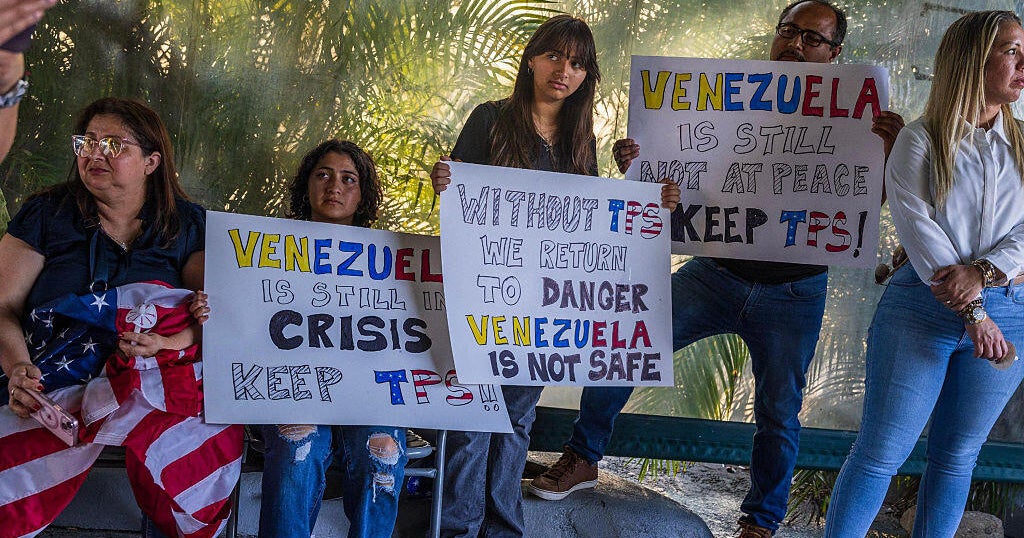
While many Venezuelans view Machado’s recognition as a beacon of hope, others express concern over the political implications of her travel to Oslo. The polarized reactions reflect the complex reality of Venezuela’s ongoing struggle for democratic rights amid escalating political tensions and international scrutiny.
About the Organizations Mentioned
Nobel Peace Prize
The Nobel Peace Prize is an internationally renowned award established by the will of Swedish industrialist Alfred Nobel in 1895, aimed at honoring individuals or organizations that have made significant contributions to peace. It is one of the five Nobel Prizes, alongside those in Physics, Chemistry, Physiology or Medicine, and Literature. Nobel specified that the Peace Prize should be awarded to the person or organization that "shall have done the most or the best work for fraternity between nations, for the abolition or reduction of standing armies and for the holding and promotion of peace congresses" [3][6][7]. The prize has been awarded annually since 1901, with some exceptions, and has recognized 111 individuals and 27 organizations as of 2023, including 19 women laureates. The Nobel Peace Prize has evolved to honor efforts in areas such as arms control and disarmament, peace negotiations, democracy, human rights, and more recently, environmental protection related to climate change [3][6]. The Nobel Peace Prize is unique in that it is awarded by the Norwegian Nobel Committee, a five-member group appointed by the Norwegian Parliament (Storting). This committee reflects the political composition of the Parliament and serves six-year terms. The Norwegian Nobel Institute supports the Committee by conducting research and managing the nomination process [1][2][3]. The prize ceremony is traditionally held in Oslo City Hall every December 10th, the anniversary of Alfred Nobel's death [3][8]. Notable aspects include the Prize's role in spotlighting global peace efforts and its occasional political controversies, such as the awarding of the prize to Carl von Ossietzky during Nazi Germany, highlighting the Prize's commitment to courage and human rights even under pressure [4]. The Nobel Peace Prize remains a powerful symbol in international peace advocacy and diplomacy, often influencing public discourse and policy in business, technology, and global governance contexts [4][5].