Meta Hires Apple Design Chief Alan Dye to Lead AI Hardware Push
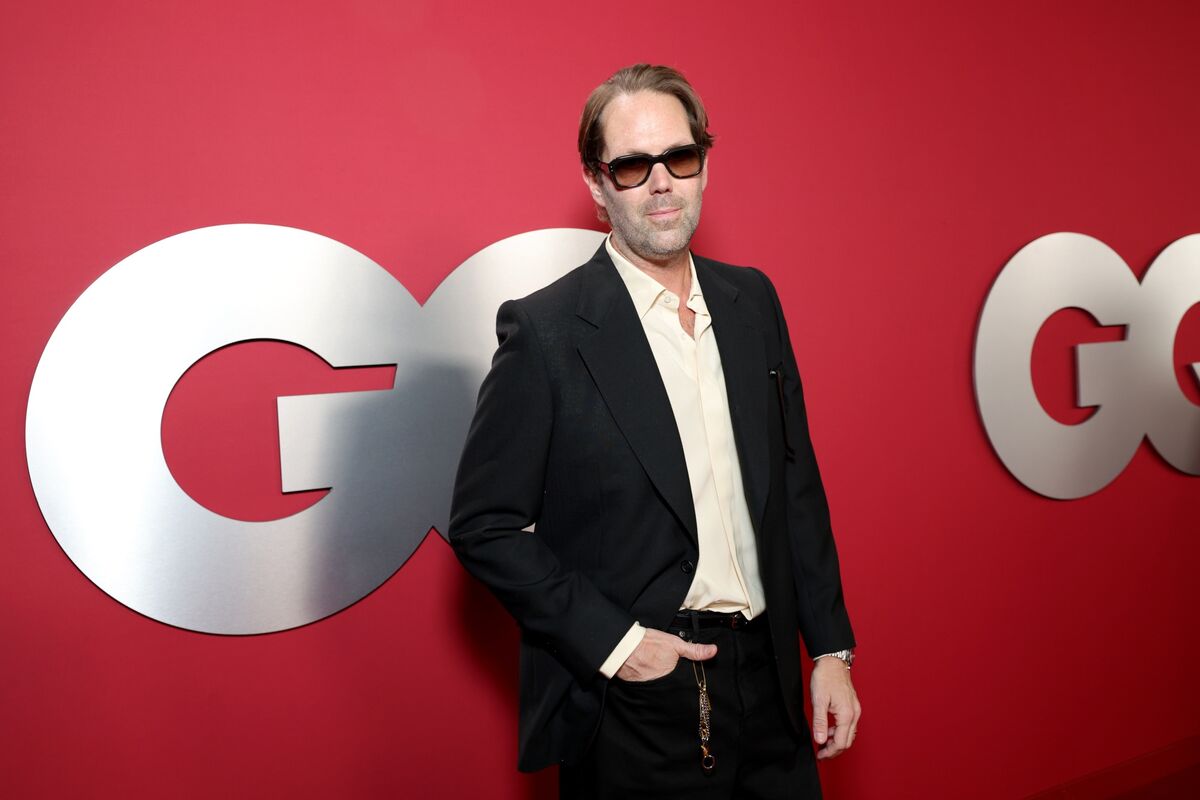
Major Design Shift
Meta Platforms Inc. has secured a major coup by hiring Alan Dye, Apple’s most prominent design executive, in a move that signals Meta’s aggressive push into AI-powered consumer hardware. Dye, who led Apple’s user interface design since 2015, played a pivotal role in shaping the look and feel of iconic products like the iPhone, iPad, and Mac. His departure marks a significant shift in Silicon Valley’s talent landscape.
Leadership Transition
Apple has confirmed that Stephen Lemay, a veteran designer with deep roots in the company’s interface evolution, will step into Dye’s role. This transition follows a broader exodus from Apple’s design team since Jony Ive’s exit in 2019, highlighting ongoing changes at the top.
Industry Impact
Meta’s new design studio, led by Dye, will focus on integrating hardware, software, and AI interfaces, positioning the company as a serious contender in the next generation of consumer devices.
About the People Mentioned
Alan Dye
Alan Dye is a prominent design executive known for his extensive leadership in user interface and human interface design, primarily at Apple Inc. He joined Apple in 2006, initially working on the company’s product packaging and unboxing experience, which played a key role in shaping Apple's first impressions with consumers[1][3]. By 2015, Dye had become the head of Apple’s Design Studio, overseeing software design across major Apple platforms, including iPhone, iPad, Mac, Apple Watch, Apple TV, and the Vision Pro headset[1][3]. Dye contributed significantly to several major Apple design milestones. He was instrumental in the 2013 redesign of iOS 7, introducing a flat user interface, updated typography, and new iconography, which marked a major visual shift for Apple’s software[3]. He also played a core role in designing the Apple Watch user interface, including watch faces and features like Activity Rings, ECG, and fall detection[1][3]. His work extended to innovations such as the Dynamic Island on iPhone, Apple’s spatial computing platform visionOS for Vision Pro, and the Liquid Glass UI refresh launched in 2025, which unified Apple’s design language across multiple operating systems[1][3]. Before Apple, Dye worked in branding and advertising, including roles at Kate Spade and Ogilvy & Mather, and began his career at Landor Associates[2][4]. His background in graphic and product packaging design informed his approach to user experience design at Apple[2]. In late 2025, Dye left Apple to join Meta as chief design officer, where he will lead a new creative studio focused on integrating hardware, software, and AI-driven design for Meta’s consumer devices, including smart glasses and virtual reality headsets. He reports directly to Meta’s CTO and heads the Reality Labs design efforts starting December 31, 2025[1][5]. Dye is recognized for blending aesthetics, technology, and user experience across platforms, making him a key figure in modern digital design.
Stephen Lemay
Stephen Lemay is a prominent software designer known for his extensive and influential work at Apple Inc., where he has been a key figure on the Human Interface team since 1999. He has contributed to the design and development of major Apple operating systems and products, including macOS, iOS, iPadOS, watchOS, Siri, and visionOS. Lemay played a critical role in the original iPhone interface team and is credited on hundreds of Apple patents, including the landmark final master patent for the iPhone, highlighting his innovative contributions to virtual keyboards, gesture-based text selection, and handwriting input on electronic devices[1][5]. Lemay's design influence spans over two decades, shaping the user experience of Apple's most iconic products. He is recognized internally at Apple by the nickname “Margaret” and praised by CEO Tim Cook for his pivotal role in defining Apple's interface design. Beyond his technical achievements, Lemay has an artistic background rooted in his education at St. Paul’s School in Concord, New Hampshire, where he first developed a passion for the Macintosh platform and graphic design, blending art and technology in his career[1][5]. Currently, Lemay serves as Apple's head of user interface design, a position that has generated excitement among design professionals regarding Apple's future innovation in software interfaces[6]. His work remains central to Apple's continuing evolution in creating intuitive and aesthetically refined user experiences across its ecosystem. There is no indication of recent events beyond his ongoing leadership role at Apple as of the latest available information.
Jony Ive
Sir Jonathan Paul "Jony" Ive (born February 27, 1967) is a British-American industrial designer renowned for his influential role at Apple Inc. He joined Apple full-time in 1992 and rose to prominence after Steve Jobs returned as CEO in 1997, eventually becoming senior vice president of industrial design[1][2]. Ive’s design leadership was pivotal in shaping Apple’s iconic products, including the iMac (1998), iPod (2001), iPhone (2007), and iPad (2010), all known for their sleek, minimalist aesthetics and innovative use of materials and form[1][2][3]. Ive’s design philosophy emphasized simplicity, ease of use, and obsessive attention to detail, which helped redefine consumer expectations for technology products. The iMac G3’s translucent, colorful design was a breakthrough that contributed to Apple’s financial turnaround in the late 1990s[2]. Steve Jobs regarded Ive as his "spiritual partner" and granted him significant operational authority, second only to Jobs within the company[3]. Beyond Apple, Ive has contributed to design education. In 2017, he was appointed Chancellor of the Royal College of Art (RCA) in London, a role he held at least until early 2023, overseeing the institution as an academic administrator and promoting design excellence[1]. After leaving Apple in 2019, Ive founded his own design firm, LoveFrom, continuing his work in product design and innovation, although this is less documented in the current sources. His legacy remains tied to transforming industrial design in technology, influencing multiple industries globally[1][5]. Ive’s contributions have earned him numerous honors, including an honorary degree from the RCA in 2009 and a knighthood. His work is widely regarded as a defining force in modern product design and the tech industry’s visual identity[1][2][5].
About the Organizations Mentioned
Meta Platforms Inc.
Meta Platforms, Inc., known simply as Meta, is a leading American multinational technology company headquartered in Menlo Park, California. It operates some of the world's largest social media and communication platforms, including Facebook, Instagram, WhatsApp, Messenger, and Threads. Meta's core business model centers on digital advertising, which accounted for 97.8% of its revenue as of 2023, making it a dominant player in the global advertising ecosystem[1]. Founded in 2004 as TheFacebook, Inc. by Mark Zuckerberg and his college peers, the company quickly rose to prominence, rebranding as Facebook, Inc. in 2005. In 2021, reflecting its strategic pivot toward building the "metaverse"—a connected digital universe blending virtual and augmented reality—Facebook, Inc. rebranded as Meta Platforms, Inc.[1][4]. This shift highlights Meta's ambition to go beyond traditional social networking and pioneer the future of human connection through immersive technology. Meta is recognized as one of the Big Tech giants alongside Apple, Microsoft, Amazon, Alphabet, and Nvidia. As of October 2025, it holds a market capitalization of approximately $1.854 trillion, ranking it as the world's sixth most valuable company by market value[2]. The company is also one of the largest global spenders on research and development, investing over $35 billion in 2022, emphasizing its commitment to innovation[1]. Key achievements include the global expansion of its platforms, with Facebook boasting over 378 million users in India alone, supported by initiatives such as localized language support (111 languages) and mobile-optimized experiences tailored for bandwidth-constrained regions[6]. Meta’s ecosystem fosters social commerce, content creation, and business marketing, driving substantial revenue through advertising and premium services[5]. In 2025, Meta announced a multibillion-dollar investment in AI startup Scale AI, underscoring its focus on artificial intelligence as a growth frontier[1]. Meta’s missio
Apple
Apple Inc. is a leading American multinational technology company known for pioneering personal computing, mobile devices, and software ecosystems. Founded in 1976 by Steve Jobs and Steve Wozniak, Apple revolutionized technology with the first commercially successful personal computer and mainstream adoption of the graphical user interface (GUI), setting new standards in product design, user experience, and seamless integration across devices[2]. Headquartered in Cupertino, California, Apple’s product lineup includes the iPhone, iPad, Mac computers, Apple Watch, AirPods, and services such as the App Store, Apple Music, and iCloud. The company has built a vast ecosystem that enables third-party developers to expand product functionalities, strengthening its market dominance. Apple is widely recognized for its innovation in hardware, software, and services, with an emphasis on aesthetics and privacy. In 2025, Apple committed to its largest-ever investment initiative, pledging $600 billion over four years in the United States to boost manufacturing, research and development, and advanced technology sectors like artificial intelligence (AI) and silicon engineering[1][3]. This includes new manufacturing facilities, expanded R&D centers, and a program called the American Manufacturing Program (AMP) to encourage domestic production of critical components. These efforts support over 450,000 U.S. jobs and aim to establish a robust supply chain within the country[3]. Financially, Apple remains a powerhouse with a market capitalization of $3.84 trillion and annual revenue exceeding $400 billion. However, in 2025, it faced challenges including a 19% decline in stock value, intensified regulatory scrutiny from the U.S. Department of Justice over antitrust issues, legal disputes related to the App Store, and competitive pressure in AI technology[1][2]. Despite these hurdles, Apple continues to innovate, recently updating its software platforms with a unified "Liquid Glass" design and expanding its AI-driven personal assistant, Apple Intelligence[1]. Under CEO Tim Cook’s leadership, Apple balances technological advancement