MPs Break Tradition: Royal Scrutiny Intensifies Over Prince Andrew
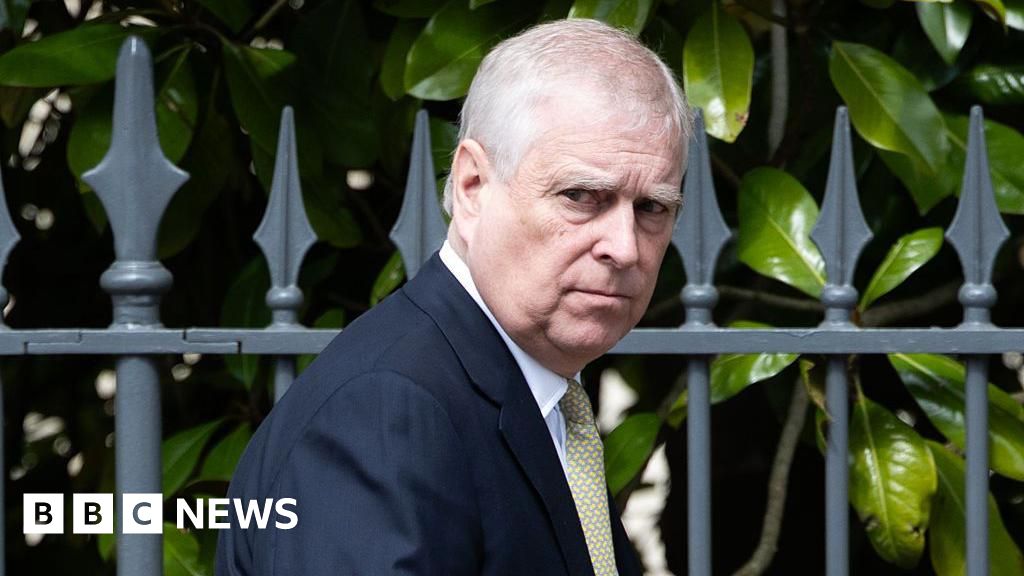
MPs Break Tradition in Criticizing Prince Andrew
In a striking departure from long-standing parliamentary norms, MPs in the House of Commons have openly shared scathing personal encounters with Prince Andrew, signaling a profound shift in tradition. Once protected by conventions like those in Erskine May, which restrict reflections on royal conduct without a substantive motion, the former prince now faces unfiltered scrutiny. This reflects mounting public disdain, with polls showing 88% approving his recent relinquishment of titles amid ties to Jeffrey Epstein and his low-rent Royal Lodge residence.
Personal Stories Fuel the Backlash
MPs recounted uniformly negative interactions, from awkward meetings to evident discomfort, amplifying calls for accountability. Downing Street resists allocating debate time, urging focus on vital issues, yet lawmakers approved releasing confidential documents. Pressure builds for legislation to strip his dukedom and eighth place in the line of succession, as Virginia Giuffre's memoir reignites allegations.
Implications for Royal Accountability
This vocal criticism underscores evolving attitudes toward the monarchy, prioritizing transparency over deference. While the government controls Commons time, committee scrutiny persists. With over four-fifths of Britons viewing Andrew negatively, these developments may force broader reforms, challenging the royals to confront past shadows head-on.
About the People Mentioned
Prince Andrew
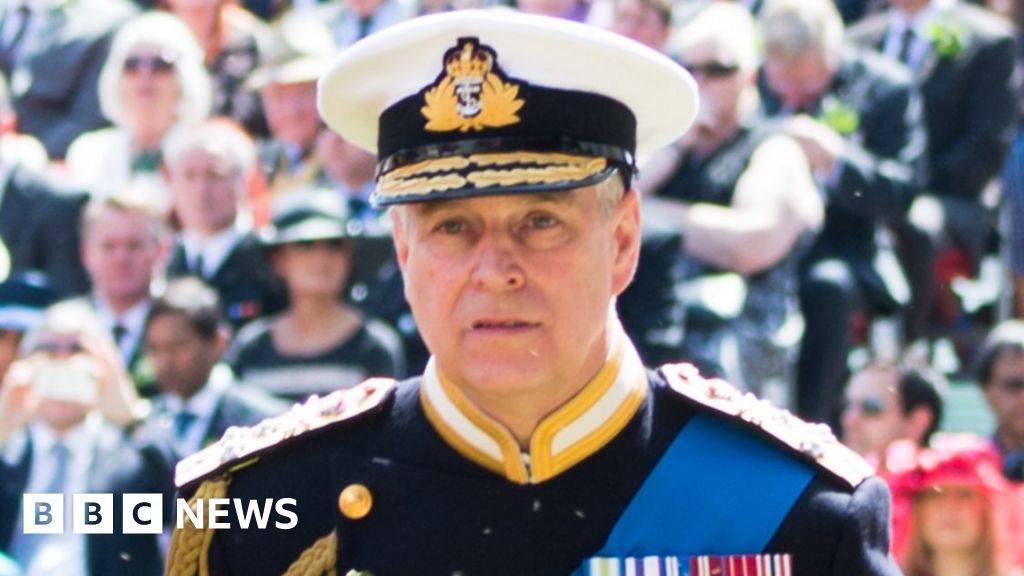
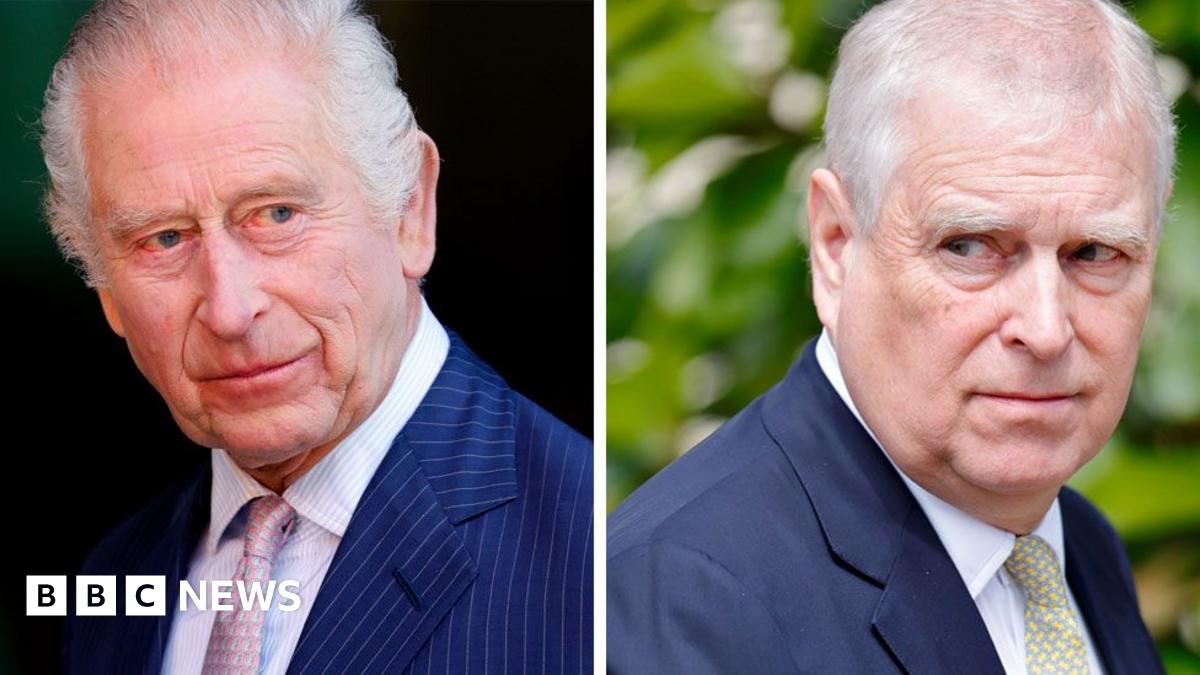
Prince Andrew, Duke of York (Andrew Albert Christian Edward Mountbatten Windsor), born on 19 February 1960 at Buckingham Palace, London, is a member of the British royal family. He is the third child and second son of Queen Elizabeth II and Prince Philip, Duke of Edinburgh, and the younger brother of King Charles III. Prince Andrew was born second in the line of succession to the British throne and is currently eighth, being the first in the line who is not a descendant of the reigning monarch. Andrew served in the Royal Navy from 1979 to 2001, reaching the rank of Vice Admiral. He was a helicopter pilot and participated in the Falklands War, flying missions including anti-surface warfare, casualty evacuation, and Exocet missile decoy operations. His naval service included command of a warship and he was promoted to commander in 1999 and honorary captain in 2001. In 1986, Andrew married Sarah Ferguson, and they have two daughters, Princess Beatrice and Princess Eugenie. The couple separated in 1992 and divorced in 1996, events that received significant media attention. As Duke of York, Andrew undertook official duties and engagements on behalf of the Queen and served as the UK's Special Representative for International Trade and Investment from 2001 until 2011. Andrew resigned from royal duties in November 2019 following increased scrutiny related to his association with Jeffrey Epstein. In 2025, under further public and political pressure, he agreed to stop using his royal titles, although Parliament has not formally voted to remove his title of Duke of York. He currently resides at Royal Lodge, though reports indicate his lease on the property has ended and he may relocate to a privately-owned property. Andrew remains a figure of public discussion, particularly regarding his titles and role within the royal family.
Jeffrey Epstein
Jeffrey Edward Epstein (January 20, 1953 – August 10, 2019) was an American financier and convicted sex offender whose life and crimes attracted intense media scrutiny and public controversy[1][3]. Born and raised in Brooklyn, New York, Epstein initially worked as a teacher at the Dalton School in Manhattan before transitioning to a career in finance, joining Bear Stearns and later establishing his own investment firms[1][2]. He managed the wealth of billionaire Leslie Wexner, amassing significant personal fortune and cultivating a social circle that included politicians, celebrities, business leaders, and even royalty[2][3]. Epstein’s professional achievements were overshadowed by criminal allegations. In 2005, police in Palm Beach, Florida, began investigating him after a parent reported he had sexually abused her 14-year-old daughter[1]. Federal authorities later identified dozens of girls, some as young as 14, whom Epstein had allegedly abused[1][6]. In 2008, he pleaded guilty in Florida state court to procuring a child for prostitution and soliciting a prostitute as part of a controversial plea deal, serving nearly 13 months in custody with work release privileges[1][2]. Despite his conviction, Epstein avoided more severe federal charges at the time. In July 2019, Epstein was arrested again on federal charges for sex trafficking minors in Florida and New York[1][2]. While awaiting trial in a Manhattan jail, he was found dead in his cell on August 10, 2019; the medical examiner ruled his death a suicide by hanging[1][3]. The circumstances surrounding his death, including missing and modified CCTV footage, fueled widespread public skepticism and conspiracy theories[1]. In July 2025, the FBI released surveillance footage supporting the suicide ruling, though questions about the investigation persist[1]. Epstein’s case remains highly relevant due to ongoing lawsuits by his victims, investigations into his associates, and the release of thousands of previously sealed documents in early 2024 that renewed public interest in his network and alleged co-conspirators[2]. His former associate, Ghislaine Maxwell, was convicted of related charges, underscoring the lasting impact of his crimes[2]. Discussions about accountability, the influence of wealth and power, and the treatment of survivors continue to shape the public dialogue around Epstein’s legacy[2][5].
About the Organizations Mentioned
House of Commons
The **House of Commons** is the elected lower chamber of the United Kingdom's Parliament, consisting of 650 Members of Parliament (MPs), each representing a UK constituency. It serves as the primary legislative authority, responsible for debating, amending, and passing laws, particularly those related to taxation and public spending, which only it can initiate. The House also holds the Government accountable through questioning, debates, and oversight functions[2][3][5]. Historically evolving from medieval councils, the House of Commons gained supremacy over the aristocratic House of Lords through statutes like the Parliament Acts of the 20th century, which limit the Lords’ power to delay legislation, especially money bills. The monarch’s role is largely ceremonial, with Royal Assent given almost automatically to bills passed by the Commons. The Prime Minister, who leads the Government, must be an MP, and the ruling party forms the cabinet from Commons members[2][5][6]. Key functions of the House of Commons include: - **Legislation**: Initiating and passing laws, particularly financial legislation, which the House of Lords cannot block or amend significantly[2][5]. - **Government oversight**: Questioning ministers and scrutinizing government policies and expenditures[3]. - **Representation**: MPs represent the interests of their constituents, balancing local and national concerns[1][4]. The Speaker, elected by MPs, moderates debates and ensures orderly conduct, voting only to break ties, typically in favor of maintaining the status quo[2]. Notable is the House's role in shaping modern British governance by enabling democratic representation and accountability in a constitutional monarchy. Its procedures and powers make it a key institution for understanding UK politics, business regulations, and policy developments, particularly relevant for those interested in how government actions affect economic and technological sectors[3][7].