Epstein Files Spark European Political Firestorm as Calls for Global Accountability Grow
Epstein Files Ignite European Political Firestorm
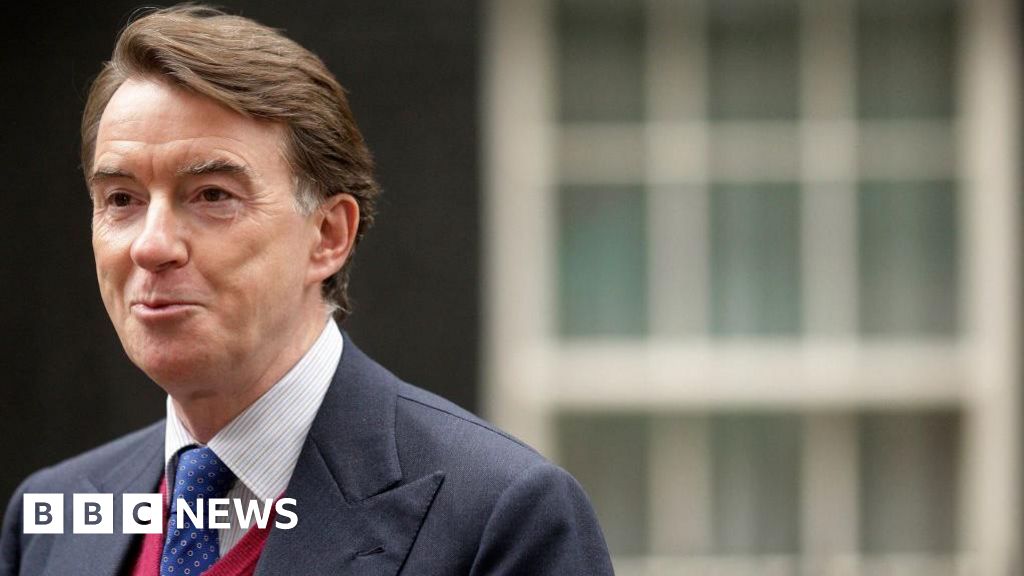
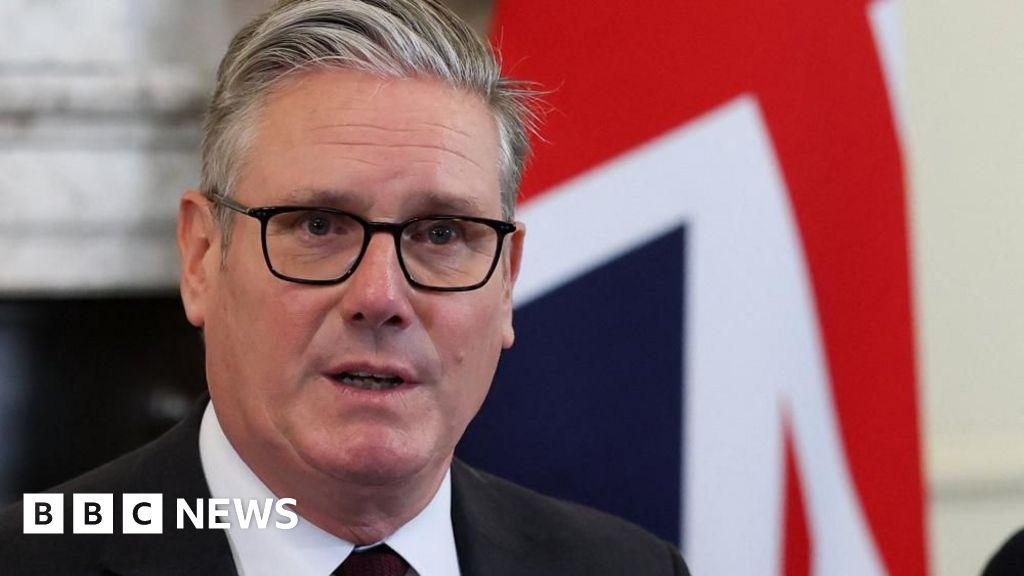
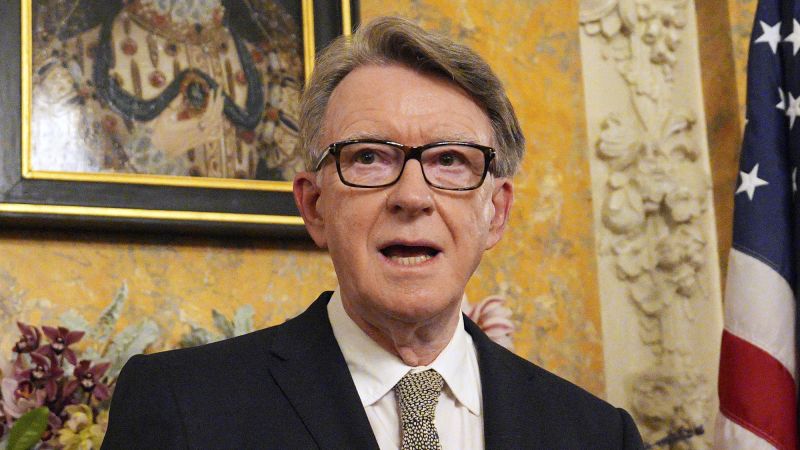
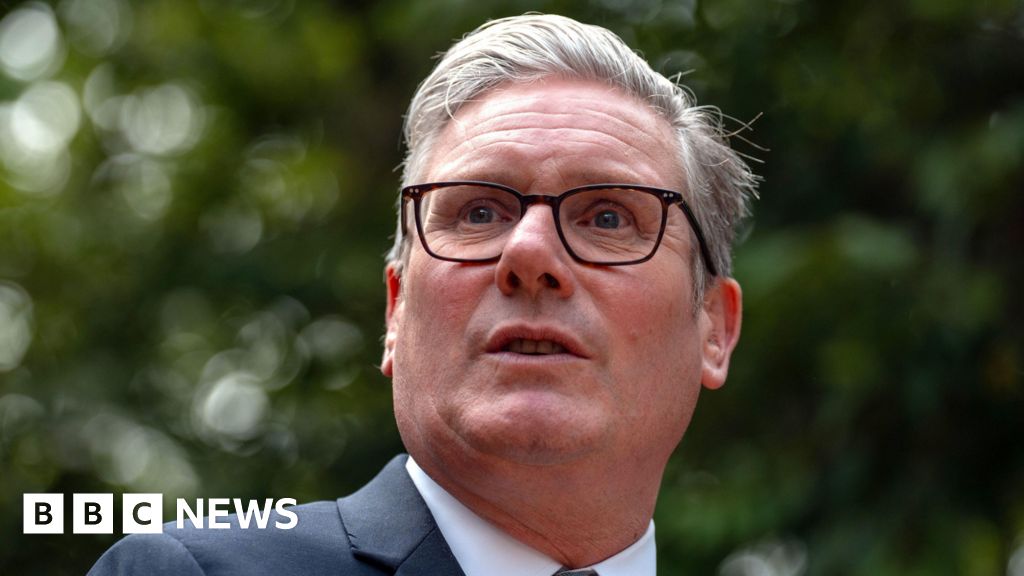
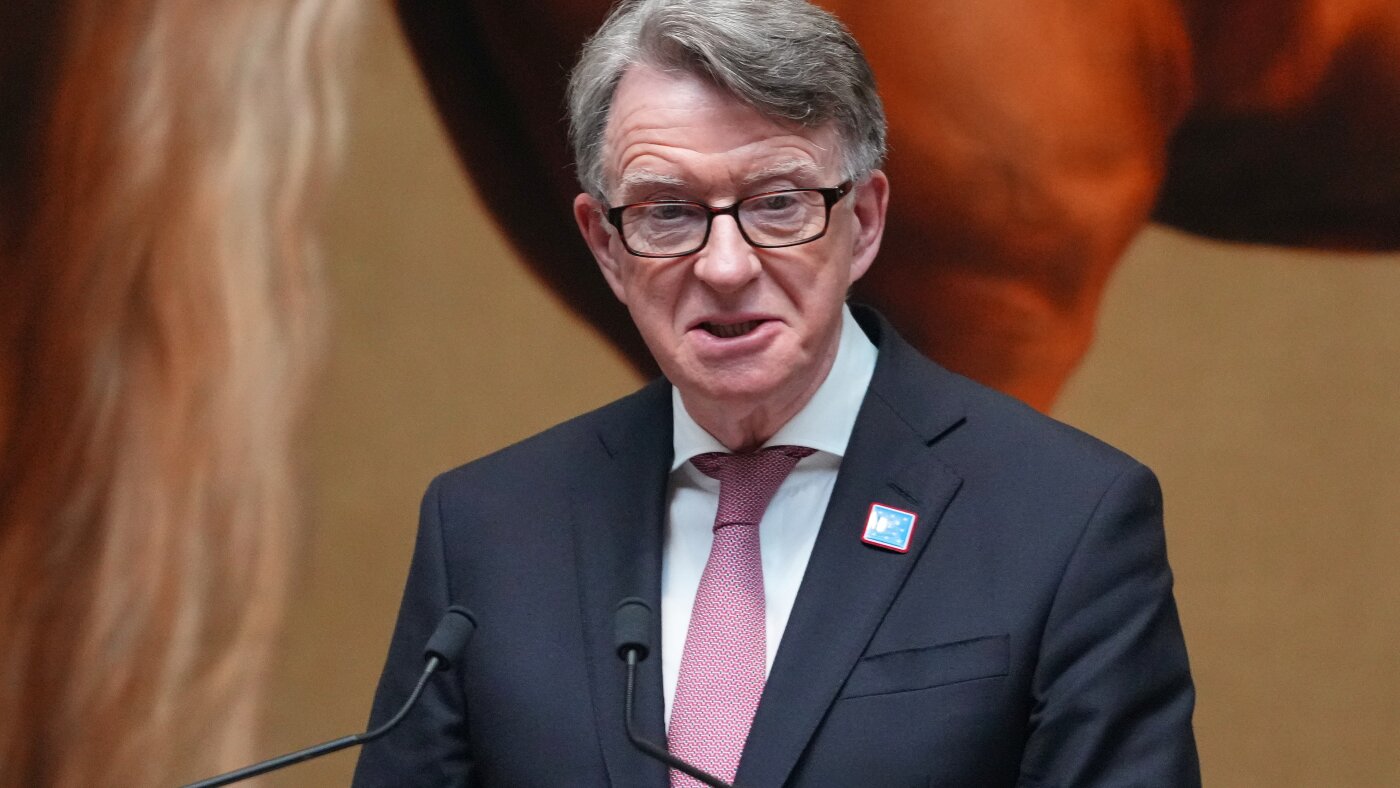
The latest Epstein files have unleashed a torrent of accountability across Europe, toppling elite figures while America's powerful largely evade consequences. In Britain, revelations about former Labour heavyweight Peter Mandelson's deep ties to the disgraced financier have sparked outrage. UK Prime Minister Keir Starmer faces intense scrutiny after admitting prior knowledge of these links before appointing Mandelson, fueling a political crisis and police probes into sensitive information leaks to Epstein.
Europe's Swift Reckoning Contrasts U.S. Inertia
Europe's response stands in stark contrast to the muted U.S. fallout. Over three million documents prompted resignations among implicated politicians, with investigations gaining momentum. In the UK, Labour Party fury mounts as deeper inquiries unfold, unlike America where officials retain positions despite Epstein connections. No major incarcerations have occurred stateside, stalling broader conversations on elite complicity.
Global Implications for Power and Justice
This transatlantic divide highlights vulnerabilities in elite networks. Europe's aggressive pursuits signal potential for real change, pressuring hidden alliances. As files continue surfacing, demands grow for uniform accountability, urging the U.S. to confront its reticence and restore public trust in justice systems worldwide.
About the People Mentioned
Peter Mandelson
Peter Mandelson, born on October 21, 1953, in London, is a British politician known for his influential role within the Labour Party and the UK government. He served as Member of Parliament for Hartlepool from 1992 to 2004 and held several senior cabinet positions including Secretary of State for Trade and Industry (1998), Secretary of State for Northern Ireland (1999–2001), and Secretary of State for Business, Innovation and Skills (2008–2010). Mandelson was a key architect of the "New Labour" movement alongside Tony Blair, which transformed the Labour Party in the 1990s into an electoral force emphasizing economic and social liberalism. From 2004 to 2008, he served as European Commissioner for Trade, playing a significant role in shaping EU trade policy. In 2008, he was appointed a life peer in the House of Lords, though he has since taken indefinite leave from the chamber. In December 2024, Mandelson was appointed UK Ambassador to the United States, a position he held from February to September 2025 under Prime Minister Keir Starmer. His tenure was notably brief and ended amid controversy linked to his associations with American financier Jeffrey Epstein. Beyond politics, Mandelson co-founded Global Counsel, a global public policy advisory firm. His career reflects notable achievements in government, European trade, and diplomacy, though it has also been marked by contentious episodes. Mandelson remains a prominent figure in British political history for his strategic influence and role in modernizing the Labour Party[1][2][3][4].
Keir Starmer
Keir Starmer, born on September 2, 1962, in London, England, is a British politician and barrister. He grew up in Oxted, Surrey, with his father working as a toolmaker and his mother as an NHS nurse. Starmer was the first in his family to attend university, studying law at the University of Leeds and later earning a postgraduate degree from the University of Oxford[2][3]. Before entering politics, Starmer had a distinguished career as a barrister. He qualified in 1987 and was appointed Queen's Counsel (QC) in 2002. Notably, he served as the Director of Public Prosecutions from 2008 to 2013, leading the Crown Prosecution Service[2]. He was knighted in 2014 for his contributions to criminal justice[2]. Starmer was elected as a Member of Parliament for Holborn and St Pancras in 2015. He became the Shadow Minister for Immigration under Jeremy Corbyn but later resigned in protest. He then served as Shadow Secretary of State for Exiting the European Union[5]. In April 2020, he was elected as the leader of the Labour Party, winning with a significant majority in the first round of voting[5]. In July 2024, Starmer became the Prime Minister of the United Kingdom following a landslide Labour victory in the general election, replacing Rishi Sunak[1][4]. As Prime Minister, he is focused on implementing Labour's manifesto, which includes objectives related to the economy, crime, healthcare, education, and climate change[1]. His leadership marks a significant shift in British politics, emphasizing national renewal and change[4]. Starmer is married to Victoria Starmer, an NHS worker, and they have two children[4].
About the Organizations Mentioned
Labour Party
The Labour Party is a prominent political organization in the United Kingdom, known for its democratic socialist ideology and commitment to improving the lives of working people. Founded to give ordinary people a voice, the party has a rich history spanning over a century, with significant achievements in power that have shaped Britain's social and economic landscape. **Organization and Structure** The Labour Party is a membership organization comprising individual members, Constituency Labour Parties (CLPs), affiliated trade unions, socialist societies, and the Co-operative Party. It operates under a democratic framework, with key decision-making bodies including the National Executive Committee (NEC), Labour Party Conference, and the National Policy Forum (NPF). The party's structure allows for diverse participation, enabling members to influence policy and leadership selection[2][3]. **History and Achievements** Historically, Labour has been instrumental in implementing landmark policies such as the National Health Service (NHS), social security systems, and comprehensive education. The party has also played a crucial role in advancing workers' rights and promoting social justice. Notable leaders include Clement Attlee, Harold Wilson, and Tony Blair, each contributing to significant reforms during their tenures[7]. **Current Status** Currently, the Labour Party is led by Keir Starmer, who has outlined five key missions for a future Labour government. The party continues to be a major force in British politics, with a strong presence in local and national elections. The annual Labour Party Conference is a significant event, attracting thousands of delegates and featuring policy discussions, keynote speeches, and fringe events[1][4]. **Notable Aspects** The Labour Party's commitment to social and economic reform aligns with broader interests in business and technology, particularly in areas like sustainable development and digital inclusion. The party's emphasis on community engagement and policy innovation also resonates with those interested in societal impact and technological advancement. As a major political entity, the Labour Party remains central to British political discourse, shaping policies that influence both domestic and