NASA Delays Spacewalk Over Astronaut Medical Concern

NASA Postpones Spacewalk Over Astronaut Medical Concern
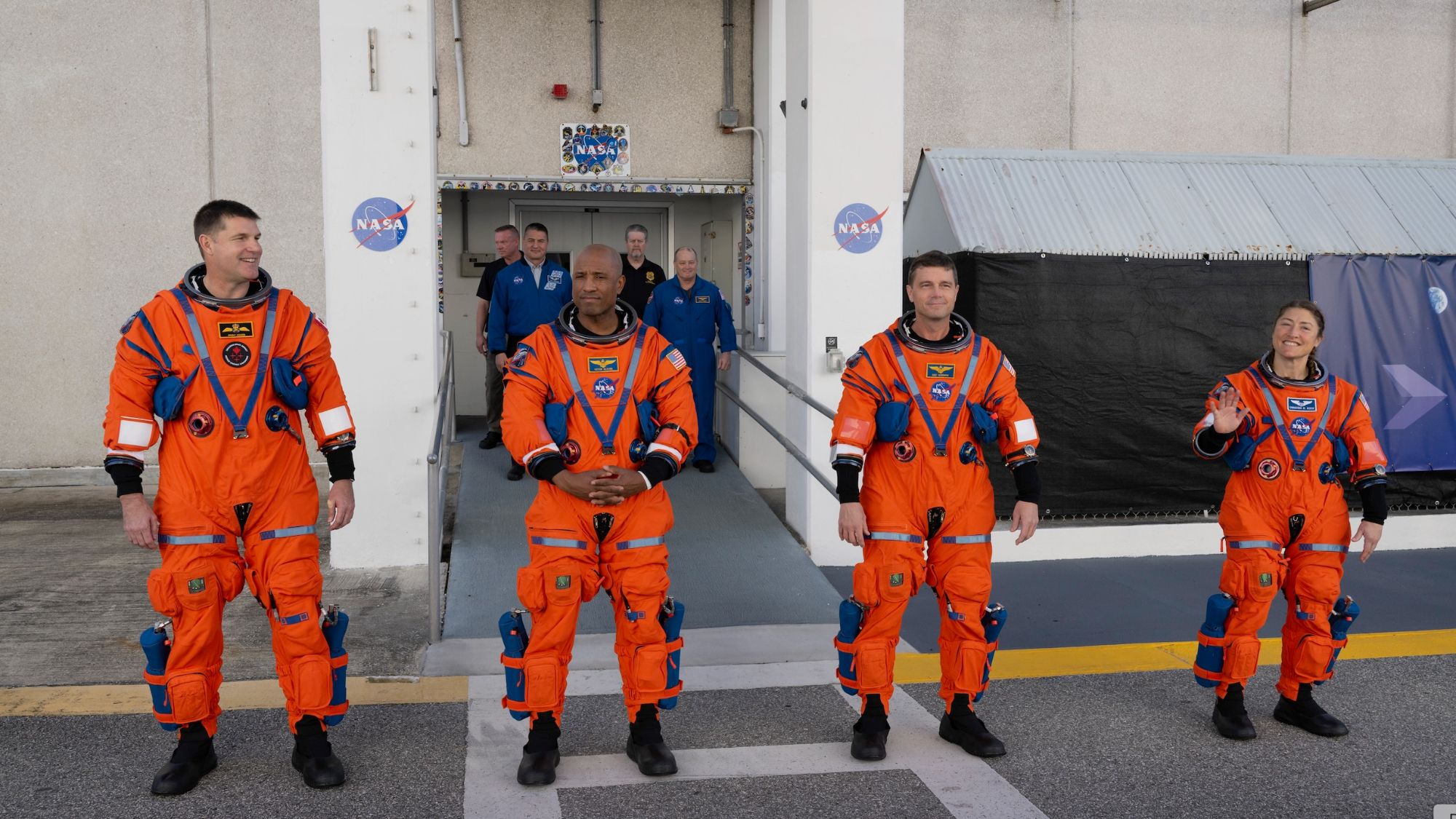
NASA’s decision to postpone a planned spacewalk has drawn global attention, highlighting how seriously the agency treats astronaut health and mission safety. The unnamed crew member’s medical concern, described as stable, prompted leaders to halt exterior work on the International Space Station while doctors review every detail. Although the specific condition remains confidential, this cautious pause reflects long-standing protocols designed to protect astronauts living in microgravity.
Balancing Exploration, Safety, and Transparency
Spacewalks are critical for maintaining station power systems, installing new solar arrays, and preparing for future deep-space missions. Yet even essential upgrades yield to medical evaluation when crew well-being is in question. NASA’s brief statements, paired with expert commentary on space medicine, show the complex balance between privacy, transparency, and public curiosity. As teams assess options and consider revised timelines, the delay underscores a key message: sustainable exploration depends on putting astronaut health first.
About the Organizations Mentioned
NASA
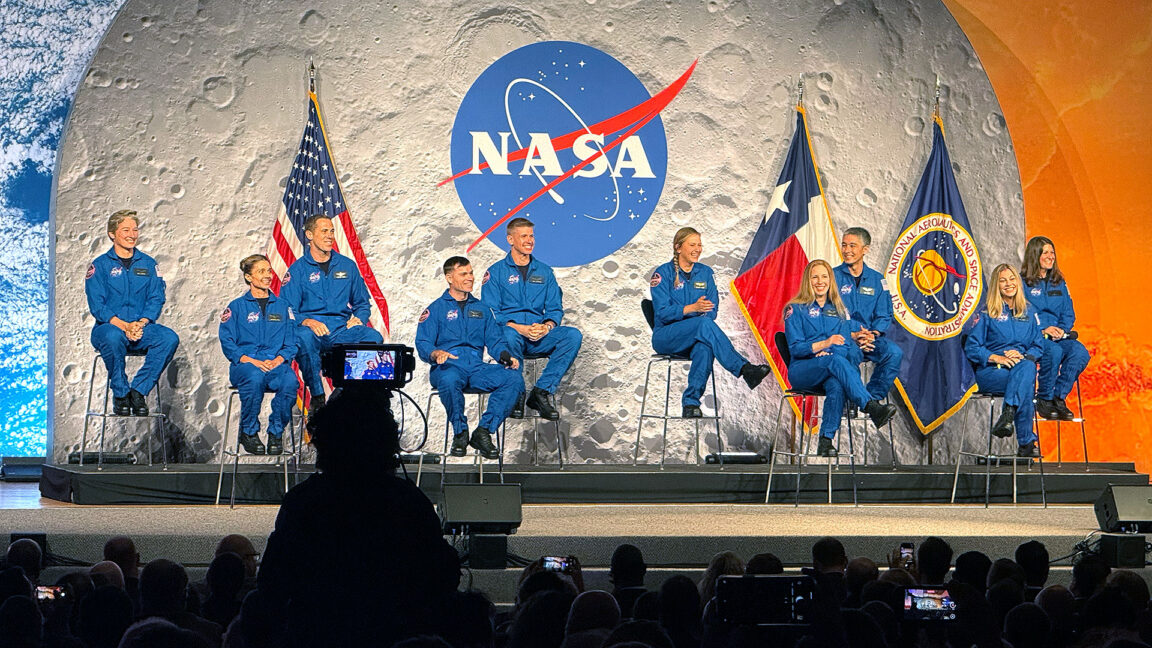
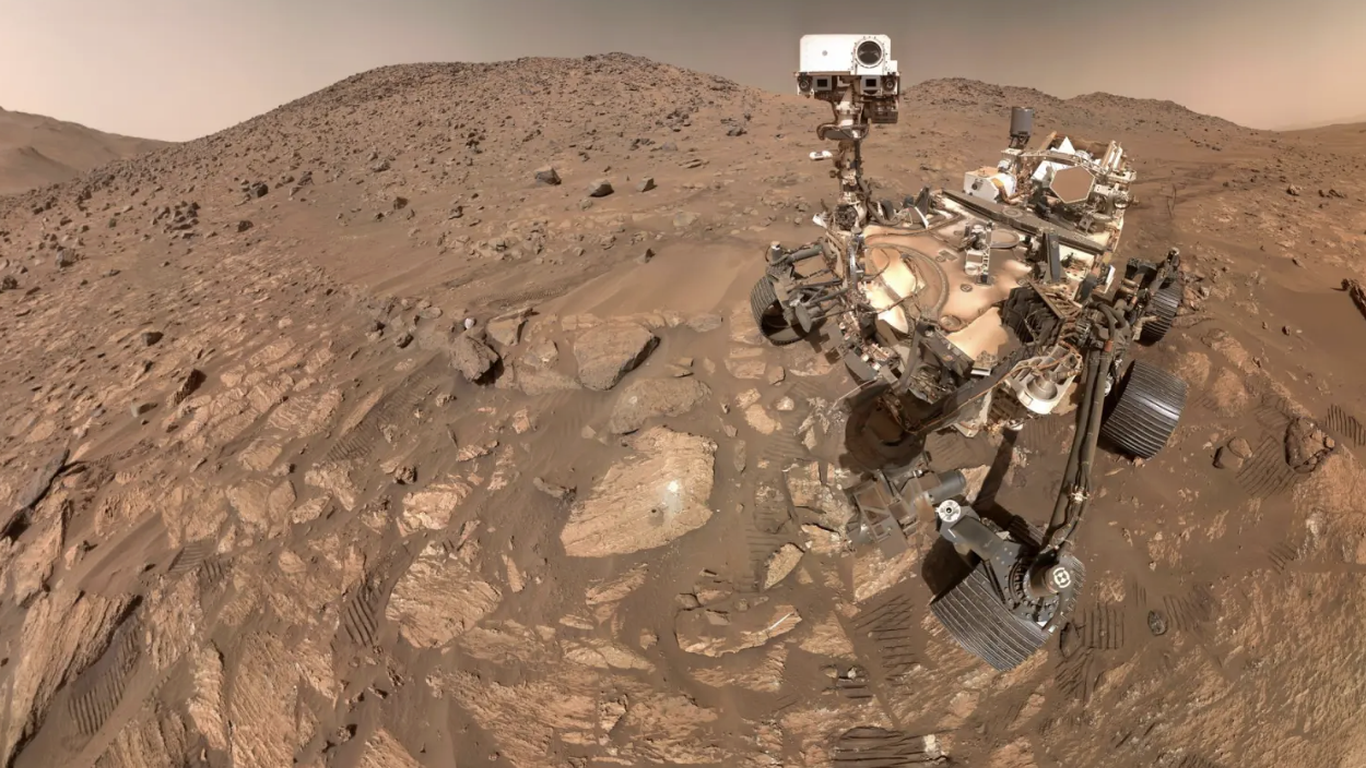
The National Aeronautics and Space Administration (NASA) is the United States’ premier civil space agency, responsible for the nation’s civilian space program, aeronautics research, and aerospace technology development[1][2]. Headquartered in Washington, D.C., NASA operates ten major field centers across the country and employs nearly 18,000 civil servants, supported by an extensive network of contractors, academic institutions, and international partners[1][2]. Since its establishment in 1958, NASA has revolutionized humanity’s understanding of the cosmos, pioneered technological advancements, and shaped global space policy. ## History and Key Achievements NASA was created in response to the Soviet Union’s 1957 launch of Sputnik, with the goal of ensuring U.S. leadership in space exploration. It succeeded the National Advisory Committee for Aeronautics (NACA) and quickly became the driving force behind iconic programs such as Project Mercury (America’s first human spaceflight program), Project Gemini (which developed techniques for space rendezvous and extravehicular activity), and the Apollo program, which landed astronauts on the Moon between 1969 and 1972[1]. The agency also developed the Space Shuttle, the world’s first reusable spacecraft, and built the International Space Station (ISS), a symbol of international collaboration and scientific research[1][5]. NASA’s robotic exploration has been equally transformative, with over 1,000 uncrewed missions investigating Earth, the Moon, Mars, and beyond. The agency’s fleet of observatories—including the Hubble Space Telescope and the James Webb Space Telescope—has provided unprecedented views of the universe, from the birth of stars to the detection of exoplanets[1]. The Perseverance rover is currently searching for signs of ancient life on Mars, while New Horizons explored Pluto and the outer solar system[1]. ## Current Status and Notable Aspects Today, NASA is advancing the Artemis program, aiming to return human
International Space Station
The **International Space Station (ISS)** is a modular space laboratory and orbital outpost operating in low Earth orbit since 2000, serving as a unique platform for scientific research, technology development, and international cooperation in space. It was designed between 1984 and 1993 and constructed through a partnership among NASA (USA), Roscosmos (Russia), ESA (Europe), JAXA (Japan), and CSA (Canada), with contributions from multiple countries and commercial partners[2][3]. The ISS functions as a laboratory, observatory, and factory in microgravity, enabling experiments across biology, physics, materials science, and Earth observation that are impossible on Earth. It also acts as a staging base for future deep-space missions to the Moon, Mars, and asteroids. Over 290 individuals from 26 countries have visited the station by 2025, reflecting its role as a hub for international collaboration[2]. Key achievements include continuous human presence in orbit for over 25 years (celebrated in 2025), advancements in medical research such as gene therapies for macular degeneration, and studies of muscle aging using tissue chips in microgravity. The ISS supports innovative commercial activities, including partnerships with private companies like SpaceX and Axiom Space for crew transport and module additions. Recent Russian modules like *Nauka* and *Prichal* have expanded the station’s capabilities, supported by robotic systems such as the European Robotic Arm[1][2][4][5]. Currently, the ISS operates with a crew executing expeditions and spacewalks, conducting experiments like the NICER X-ray telescope, and supporting commercial and educational missions. The station’s modular design allows for adaptability, with 43 modules installed as of mid-2025. NASA’s ongoing plans emphasize expanding scientific output, growing the low Earth orbit economy, and maintaining the ISS as a testbed for future exploration[1][2][3]. Notably, the ISS also fosters public engagement throug