NASA Unveils Next-Gen Space Telescope for Cosmic Discoveries
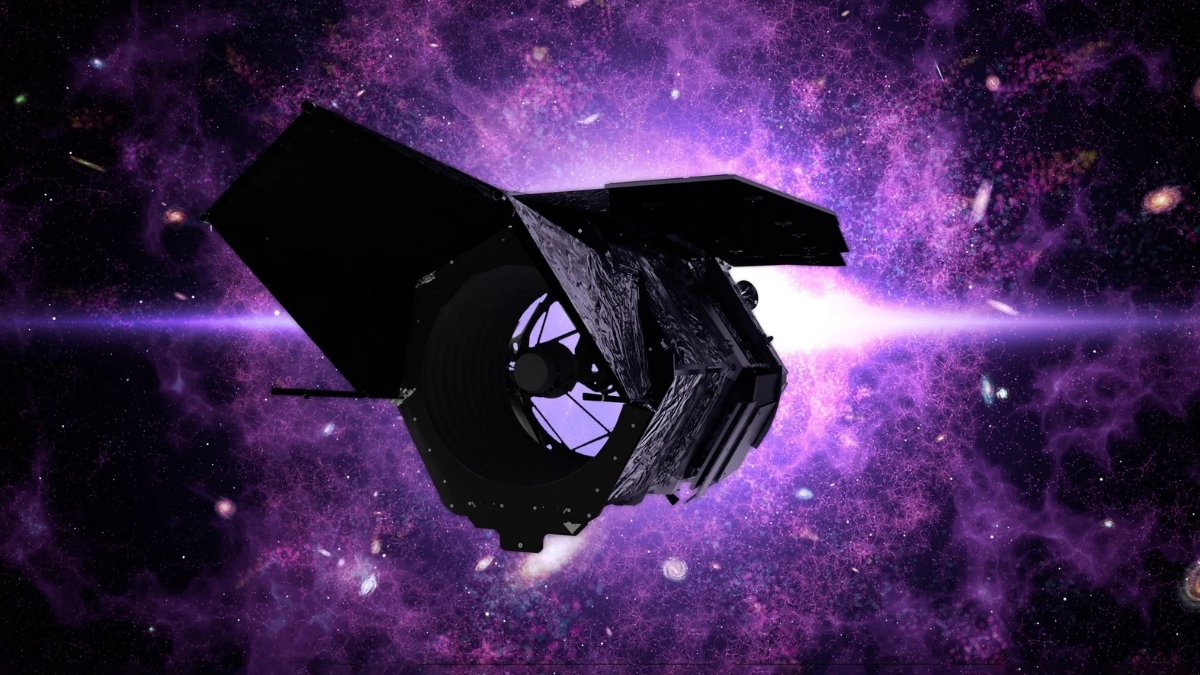
NASA Completes Next-Gen Telescope
NASA has finished assembling a next-generation space telescope that promises transformative surveys of distant galaxies, dark energy and exoplanets, potentially bringing us closer to answering whether we are alone in the cosmos.
What This Means for Discovery
Equipped with a wide field of view, advanced infrared instruments and sensitive detectors, the observatory will map vast sky regions faster than predecessors and flag promising exoplanet targets for follow-up, increasing the odds of finding biosignature candidates and refining measurements of cosmic expansion.
Broader Impact and Timeline
As integration and testing conclude, the mission team plans on-orbit commissioning before science operations begin, enabling coordinated observations with existing telescopes and accelerating breakthroughs in planetary science, cosmology and the search for life beyond Earth.
About the Organizations Mentioned
NASA
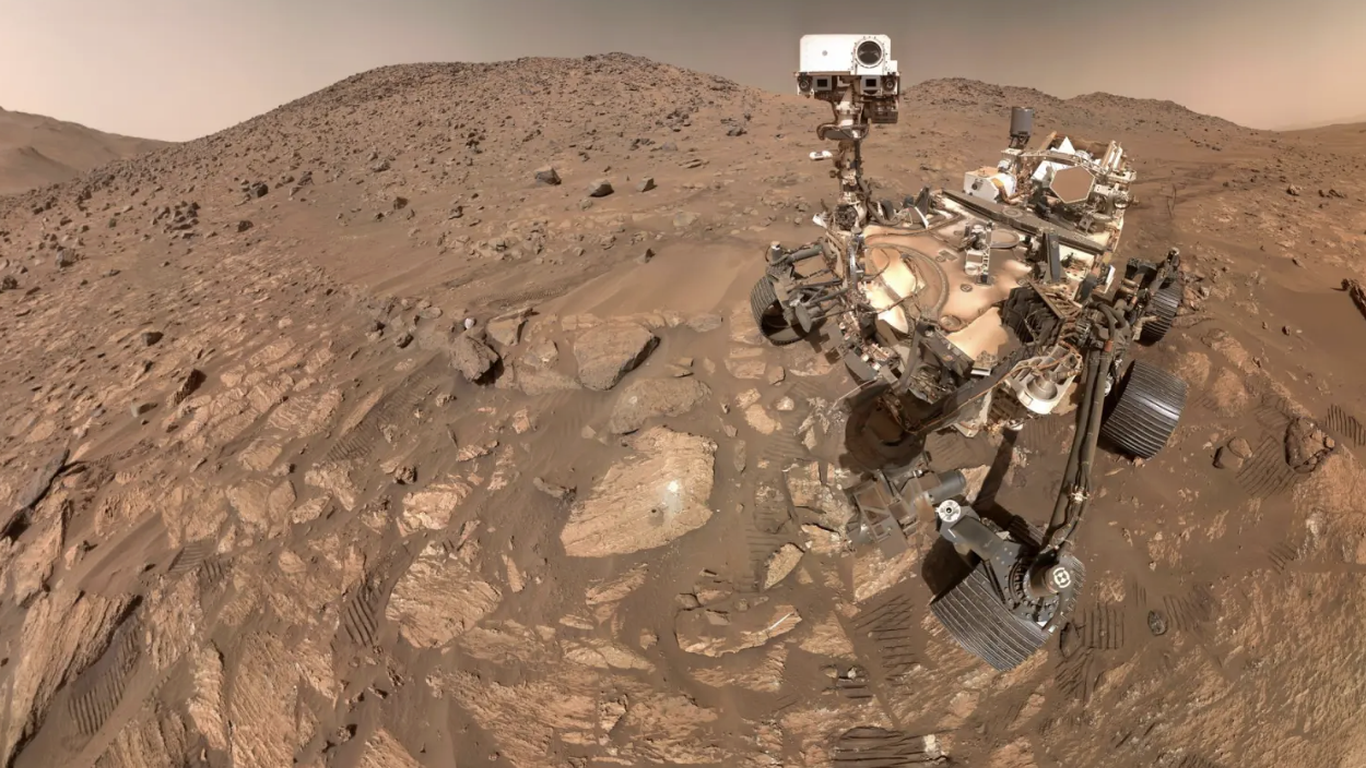
The National Aeronautics and Space Administration (NASA) is the United States’ premier civil space agency, responsible for the nation’s civilian space program, aeronautics research, and aerospace technology development[1][2]. Headquartered in Washington, D.C., NASA operates ten major field centers across the country and employs nearly 18,000 civil servants, supported by an extensive network of contractors, academic institutions, and international partners[1][2]. Since its establishment in 1958, NASA has revolutionized humanity’s understanding of the cosmos, pioneered technological advancements, and shaped global space policy. ## History and Key Achievements NASA was created in response to the Soviet Union’s 1957 launch of Sputnik, with the goal of ensuring U.S. leadership in space exploration. It succeeded the National Advisory Committee for Aeronautics (NACA) and quickly became the driving force behind iconic programs such as Project Mercury (America’s first human spaceflight program), Project Gemini (which developed techniques for space rendezvous and extravehicular activity), and the Apollo program, which landed astronauts on the Moon between 1969 and 1972[1]. The agency also developed the Space Shuttle, the world’s first reusable spacecraft, and built the International Space Station (ISS), a symbol of international collaboration and scientific research[1][5]. NASA’s robotic exploration has been equally transformative, with over 1,000 uncrewed missions investigating Earth, the Moon, Mars, and beyond. The agency’s fleet of observatories—including the Hubble Space Telescope and the James Webb Space Telescope—has provided unprecedented views of the universe, from the birth of stars to the detection of exoplanets[1]. The Perseverance rover is currently searching for signs of ancient life on Mars, while New Horizons explored Pluto and the outer solar system[1]. ## Current Status and Notable Aspects Today, NASA is advancing the Artemis program, aiming to return human