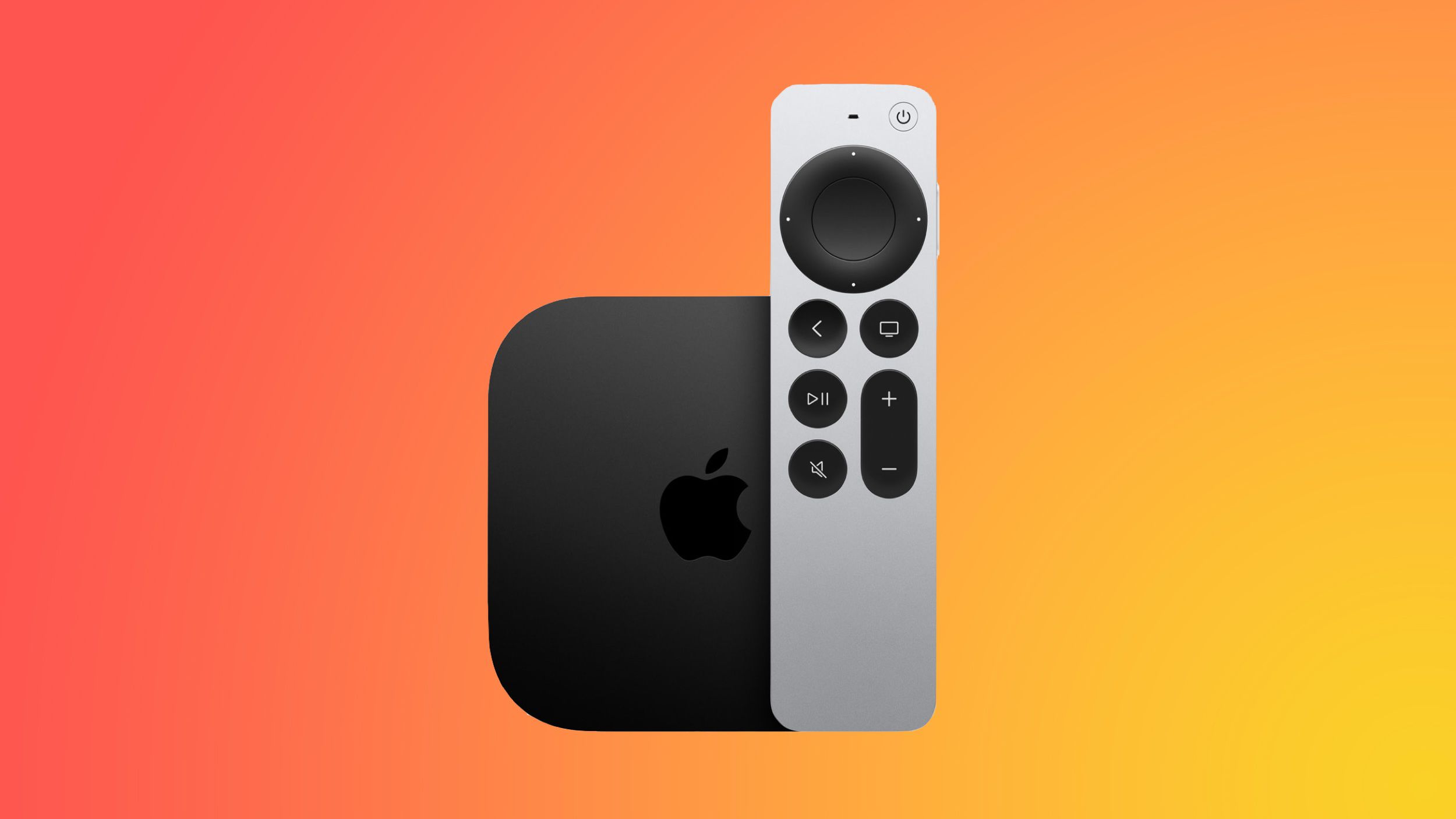
Netflix Ends Mobile-to-TV Casting: A Shift Toward Chromecast and Smart TV Apps

Netflix Ends Mobile-to-TV Casting Feature
Netflix recently removed the option to cast shows from a mobile device directly to a TV, a feature that allowed users to control playback through their phones. The streaming giant explained this change by citing low user engagement, indicating the feature was not widely adopted. This move marks a shift in how Netflix supports multi-screen viewing experiences, focusing instead on traditional casting methods like Chromecast and Smart TV apps.
Why the Change Matters
For many, the convenience of using a phone as a remote or playback controller added flexibility when watching Netflix on larger screens. Removing this option may disrupt some users’ routines, especially those accustomed to controlling content without switching devices. However, Netflix's decision reflects a broader industry trend toward streamlining app functions and prioritizing features that serve the majority.
Looking Ahead
While this feature is gone, Netflix continues to innovate its platform, emphasizing enhanced streaming quality and personalized recommendations. Users seeking seamless TV control might need to rely on existing device integrations or third-party solutions for now, as Netflix reevaluates user demand and app capabilities.
About the Organizations Mentioned
Netflix
Netflix, Inc., founded in 1997 by Reed Hastings and Marc Randolph in Los Gatos, California, is a global media and entertainment company primarily known for its streaming service that offers movies, TV series, and games to over 300 million paid subscribers across more than 190 countries[1][2]. Initially disrupting the traditional video rental market dominated by Blockbuster, Netflix evolved from DVD rentals to pioneering the streaming model in 2007, fundamentally changing how audiences consume entertainment[1]. Netflix’s transition into original content production beginning in 2013 marked a significant milestone, with acclaimed series and films that garnered numerous awards, establishing it not only as a distributor but also a creator of high-quality content[1]. This strategic pivot helped Netflix compete against traditional broadcasters and emerging streaming platforms. By 2023, Netflix expanded into live programming, further broadening its content offerings and competitive scope[1]. Financially, Netflix is a powerhouse with a market capitalization of approximately $464 billion as of late 2025, annual revenues exceeding $43 billion, and a strong earnings per share figure of $23.97 from the previous year, showcasing robust profitability and investor confidence[1]. Under the leadership of CEO Theodore A. Sarandos, Netflix continues to innovate in entertainment technology, providing flexible viewing experiences where users can play, pause, and resume content anytime, anywhere[1][2]. Notable aspects of Netflix include its disruption of traditional media, its investment in diverse global content, and its adaptation to technological shifts in media consumption. Its impact extends beyond entertainment to influence digital distribution, consumer behavior, and the economics of content creation and delivery in the 21st century[1][2]. Netflix remains a benchmark in streaming services and a key player in the evolving landscape of global entertainment.