Nintendo Shares Plunge Amid Memory Chip Crunch
#nintendo #chip_supply #artificial_intelligence #gaming #markets

Nintendo Shares Plunge Amid Memory Chip Crunch
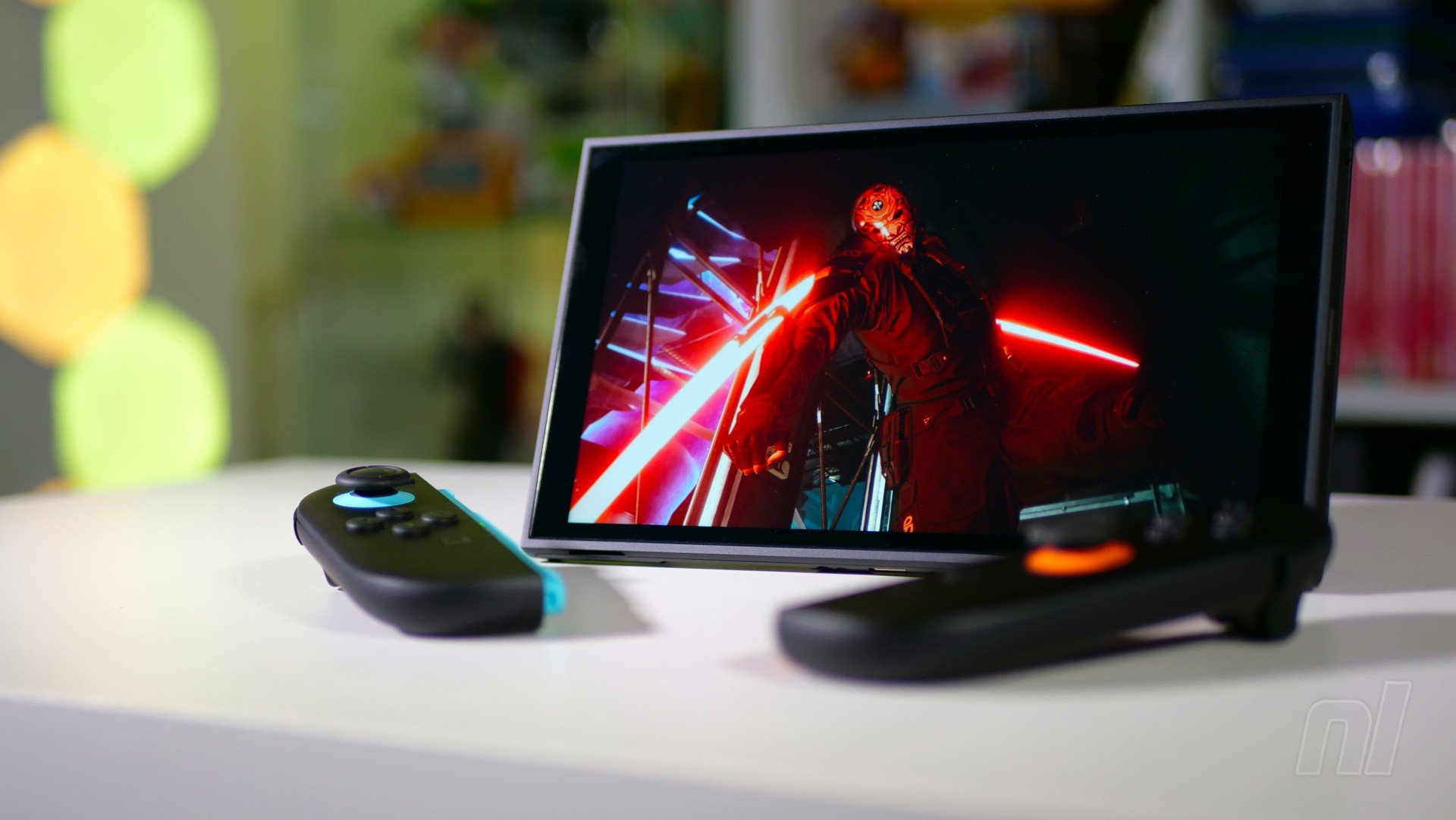
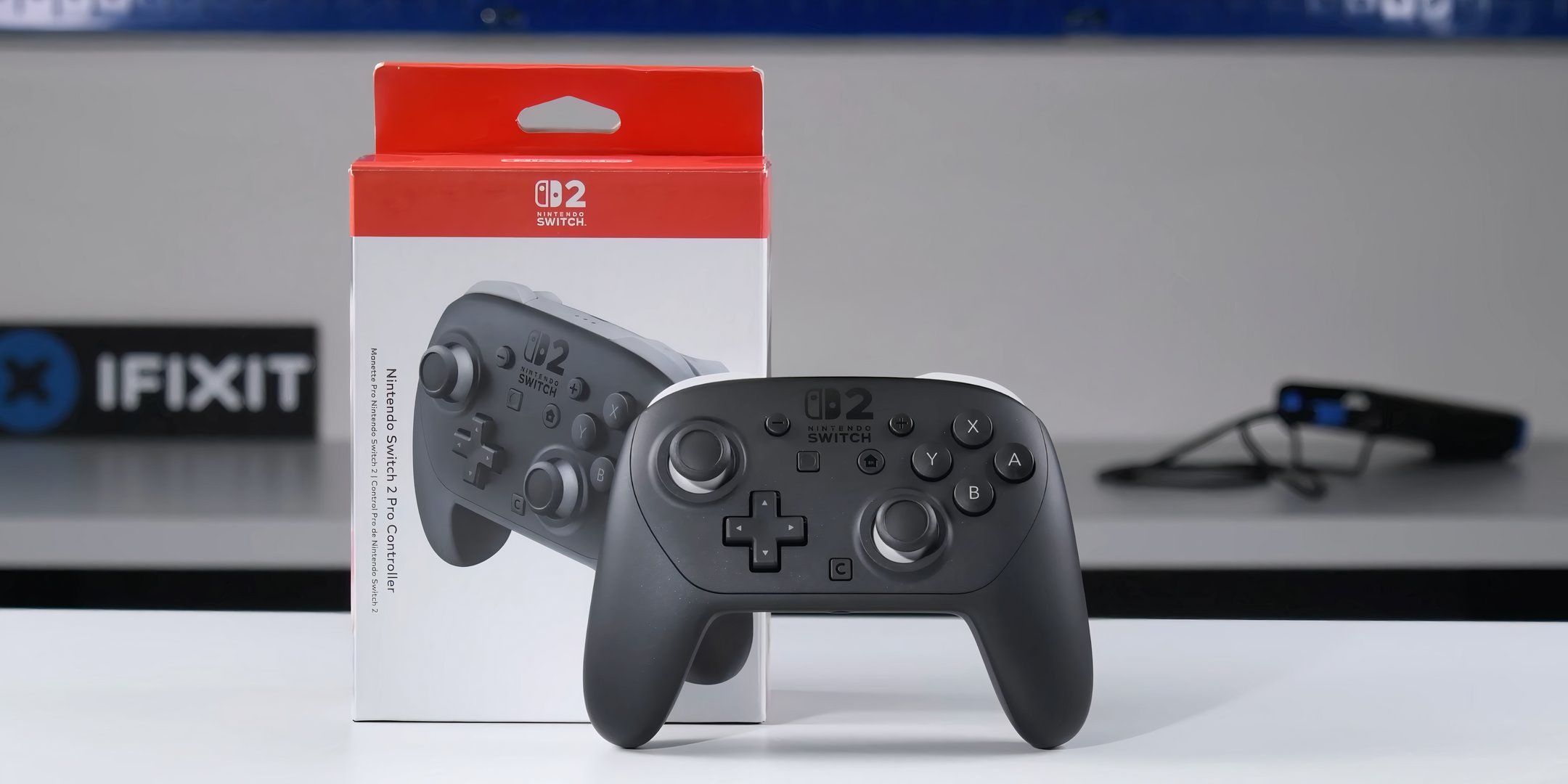
Nintendo's stock tumbled over 10% as investors grappled with a severe global shortage of memory chips, essential for its blockbuster Switch 2 console. Despite robust sales of 17.4 million units driving net profits up more than 50% to ¥358.9 billion in the nine months to December, surging DRAM prices—projected to spike 90-95% this quarter—threaten to erode margins significantly[1][2][4].
AI Demand Fuels Gaming Supply Woes
The crisis stems from explosive demand for AI data centers, diverting chipmakers like SK Hynix from consumer electronics. Analysts warn Nintendo could face losses of $35-50 per Switch 2 without price hikes, reversing current $23 gross margins as module costs balloon from $46 to $120[3]. President Shuntaro Furukawa monitors trends but vows to absorb temporary deficits, eyeing long-term supplier deals[2][3].
Future Outlook for Nintendo Gamers
While upcoming titles like Mario Tennis Fever and Pokemon Pokopia bolster momentum, sustained shortages until 2028 risk higher console prices and slower growth. Investors fret over profitability, with shares down 15% in 2026, signaling choppy waters ahead for the Super Mario powerhouse[1][2].
About the Organizations Mentioned
Nintendo
Nintendo, founded in 1889 by Fusajiro Yamauchi in Kyoto, Japan, began as a manufacturer of handmade Hanafuda playing cards. Over the following decades, it became Japan's largest playing card company and expanded into various entertainment sectors under the leadership of Hiroshi Yamauchi from 1949, marking a pivotal shift toward electronic games and toys[1][2][3]. In the 1970s and 1980s, Nintendo transitioned into video game development with arcade hits like *Donkey Kong* (1981), designed by Shigeru Miyamoto, which introduced the iconic character Mario and established Nintendo's international presence[2][6]. The release of the Nintendo Entertainment System (NES) in 1985 was a critical milestone, revitalizing the video game industry after the 1983 crash and setting standards with innovative titles such as *Super Mario Bros.* and *The Legend of Zelda*[2][3]. Nintendo continued to innovate with handheld systems like the Game Boy (1989) and advanced consoles including Super Nintendo (1990), Nintendo 64, GameCube, Wii, and more recently, the Nintendo Switch family, which blends portable and home gaming[3][7]. The company’s portfolio features globally recognized franchises—Mario, Zelda, Pokémon, and Metroid—that have become cornerstones of interactive entertainment[7]. Today, Nintendo is a leading multinational video game developer and publisher, with subsidiaries worldwide including Nintendo of America and Nintendo Australia. It remains committed to creating "smiles" through unique gaming experiences that blend creativity, technology, and accessibility[6]. Nintendo has sold over 5 billion games and nearly 780 million hardware units globally, cementing its role as a dominant and influential player in the business and technology sectors[4]. Notable aspects of Nintendo include its pioneering spirit in both hardware innovation and software creativity, its cultural impact through iconic characters, and its adaptability from a traditional playing card company to a global entertainment powerhouse. Thi
SK Hynix
**SK hynix** is a South Korean semiconductor powerhouse, ranking as the world's second-largest memory chipmaker after Samsung, specializing in DRAM, NAND flash, CMOS image sensors, and high-bandwidth memory (HBM) for AI, servers, mobiles, and consumer devices.[1][2][3] Founded in February 1983 as Hyundai Electronics, it pioneered DRAM production in Korea, achieving milestones like the first 4M DRAM in 1991 and 16M DRAM shortly after.[3][4] Renamed Hynix Semiconductor amid financial turbulence, it joined the **SK Group** in 2012, becoming SK hynix and a key affiliate alongside SK Innovation.[1][3] Headquartered in Icheon, South Korea, it operates production sites in Korea (Icheon, Cheongju) and China (Wuxi, Chongqing, Dalian), with R&D hubs in the US, Europe, Asia-Pacific, and Belarus.[1][2][3] Key achievements include launching the world's first DDR5 DRAM in 2018 for AI and big data, pioneering 4D NAND flash (96-layer in 2018, advancing to 238- and 321-layer), and mass-producing the first 12-layer HBM chips in September 2024—critical for Nvidia's AI GPUs via HBM3E.[1][3][5] In 2021, it acquired Intel's NAND business for $9 billion, forming Solidigm.[3] By Q2 2025, SK hynix held **38% of the global DRAM market**.[3] Today, under CEO Kwak Noh-Jung, it serves giants like Apple, Microsoft, Dell, HP, and Asus, powering smartphones, data centers, PCs, and SSDs.[1][2][3][5] Amid AI-driven demand, it invests heavily—$106 billion in new foundrie