Novichok Poisoning Case: Inquiry Findings and Accountability
The Novichok Poisoning Case
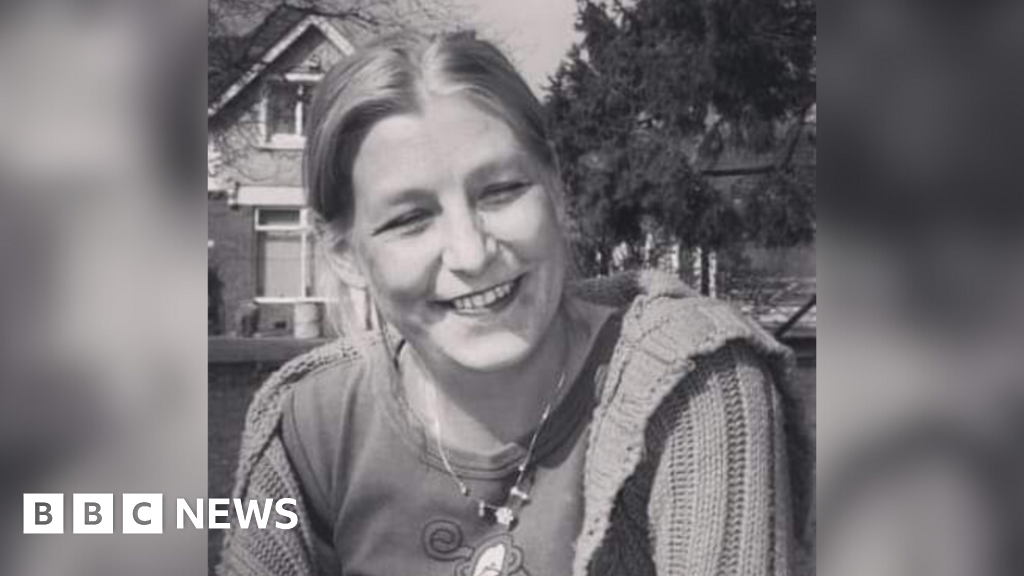
Dawn Sturgess, a 44-year-old woman, died on July 8, 2018, after exposure to Novichok, a deadly nerve agent. She collapsed at her partner's home in Amesbury, Wiltshire, on June 30, 2018, and was pronounced dead at Salisbury District Hospital. The post-mortem examination confirmed Novichok poisoning as the cause of her death.
The Inquiry Findings
An independent inquiry into her death was established in March 2022, chaired by Lord Hughes of Ombersley. The investigation aimed to determine responsibility and circumstances surrounding the poisoning incident. The inquiry examined evidence related to the Salisbury poisonings and sought to identify where accountability lay for this tragic incident.
Significance and Legacy
The case highlighted the dangers of chemical weapons and international security concerns. The inquiry's conclusions addressed questions about responsibility and accountability in the poisoning. This investigation represented an important step toward justice and understanding the circumstances that led to Sturgess's death.
```About the People Mentioned
Dawn Sturgess
Dawn Sturgess was a British mother of three born on June 18, 1974, who died at age 44 on July 8, 2018, after exposure to the nerve agent Novichok.[1][2][4] She had no notable public roles or career achievements documented beyond her personal life as a resident of Amesbury, Wiltshire, where she lived with her partner, Charlie Rowley.[2][3] In early July 2018, Rowley found a discarded perfume bottle containing Novichok and gave it to Sturgess, who sprayed it on herself, leading to her collapse in their flat.[2][3][6] Rowley was also poisoned but survived after hospital treatment, while the bottle held enough agent to kill thousands.[2] This incident occurred four months after the March 2018 Novichok poisoning attempt on former Russian spy Sergei Skripal and his daughter Yulia in nearby Salisbury, an attack linked to Russian military intelligence.[2] Sturgess became the only confirmed fatality from Novichok exposure in the UK, described as an innocent civilian casualty of geopolitical tensions.[3][5] A public inquiry, concluded by late 2025, confirmed her death resulted from the nerve agent in the perfume and held Russian President Vladimir Putin morally responsible, citing state involvement in the Skripal operation.[2][6][7] Her case drew international attention, highlighting risks to bystanders from state-sponsored assassinations and prompting calls for accountability.[1][5] The inquiry's findings, including the agent's potency—eight to ten times stronger than U.S. equivalents—underscored the incident's severity.[2] Sturgess's story has been featured in media, such as BBC dramas, to address related social issues like homelessness stigma.[5]
Lord Hughes of Ombersley
Anthony Philip Gilson Hughes, Lord Hughes of Ombersley (born 11 August 1948 in St Albans, Hertfordshire), is a retired British judge who served as a Justice of the UK Supreme Court from April 2013 to August 2018.[1][2] Educated at Tettenhall College and Van Mildert College, University of Durham (BA in law, 1969), he was called to the Bar at the Inner Temple in 1970.[1][2][3] His career began as a barrister, becoming Queen's Counsel in 1990 and Head of No.1 Fountain Court Chambers, Birmingham, until 1997, when he was knighted and appointed a High Court judge in the Family Division (1997-2003).[1][2] He served as Presiding Judge on the Midland Circuit (2000-2003), transferred to the Queen's Bench Division (2004-2006), and became a Lord Justice of Appeal in 2006, acting as Vice-President of the Criminal Division from 2009 to 2013.[1][2][3] Upon joining the Supreme Court, he received the judicial title Lord Hughes of Ombersley, referencing Worcestershire.[1] Post-retirement at age 70, Lord Hughes remains active as a Judicial Commissioner under the Investigatory Powers Act 2016 with the Investigatory Powers Commissioner’s Office.[3][4] He chairs the Dawn Sturgess Inquiry into the 2018 Novichok poisonings and has contributed to inquiries including the Independent Inquiry into Child Sexual Abuse, Stephen Port inquests, UK Special Forces in Afghanistan misconduct allegations, and the Omagh Bombings Inquiry.[3] He holds an honorary fellowship from Van Mildert College (2015).[1] His interests include gardening, mechanics, and bellringing.[5] Lord Hughes exemplifies sustained judicial expertise in high-profile public inquiries.[1][2][3][4] (298 words)
About the Organizations Mentioned
Salisbury District Hospital
Salisbury District Hospital is a major healthcare facility located in Britford, Wiltshire, England, managed by the Salisbury NHS Foundation Trust. It serves a population of approximately 270,000 people across Wiltshire, Dorset, and Hampshire and is part of the BSW Hospitals Group, collaborating with Royal United Hospitals Bath and Great Western Hospitals[4][5]. The hospital has a rich history dating back over 250 years, with significant milestones including its origins in the Odstock Hospital built in 1942 by the U.S. Army during World War II. The current Salisbury District Hospital was established in 1991, replacing older facilities and expanding services. It has been notable for pioneering treatments in burns, plastic surgery, spinal injuries, and rehabilitation, with the Duke of Cornwall Spinal Treatment Centre on-site offering specialized care[4][5]. Salisbury District Hospital provides a comprehensive range of services including emergency care, surgical procedures, maternity and midwifery, family planning, diagnostic and screening services, and specialist treatments such as cancer survivorship programs, pain management, physiotherapy, and palliative care. It also houses advanced facilities like a bone marrow transplant center, CAR-T therapy, and radiotherapy services[1][2][3]. The hospital is recognized for its high standards of care, reflected in its NHS Foundation Trust status and positive patient feedback, with 98% of patients rating their experience as good or very good. Its 5,500-strong workforce is committed to excellence and inclusivity, supporting both civilian and Armed Forces communities through established partnerships[4][7]. Notably, Salisbury District Hospital gained international attention in 2018 when it treated Sergei Skripal and his daughter after a Novichok poisoning incident, demonstrating its capacity to respond to rare and complex emergencies[5][7]. Overall, Salisbury District Hospital stands out as a technologically advanced, historically significant, and community-focused institution delivering a broad spectrum of healthcare services with a commitment to innovation and qualit