Olympic Glory Shapes Jack Hughes' Return in Devils-Penguins Showdown
Olympic Glory Shadows Jack Hughes' NHL Return
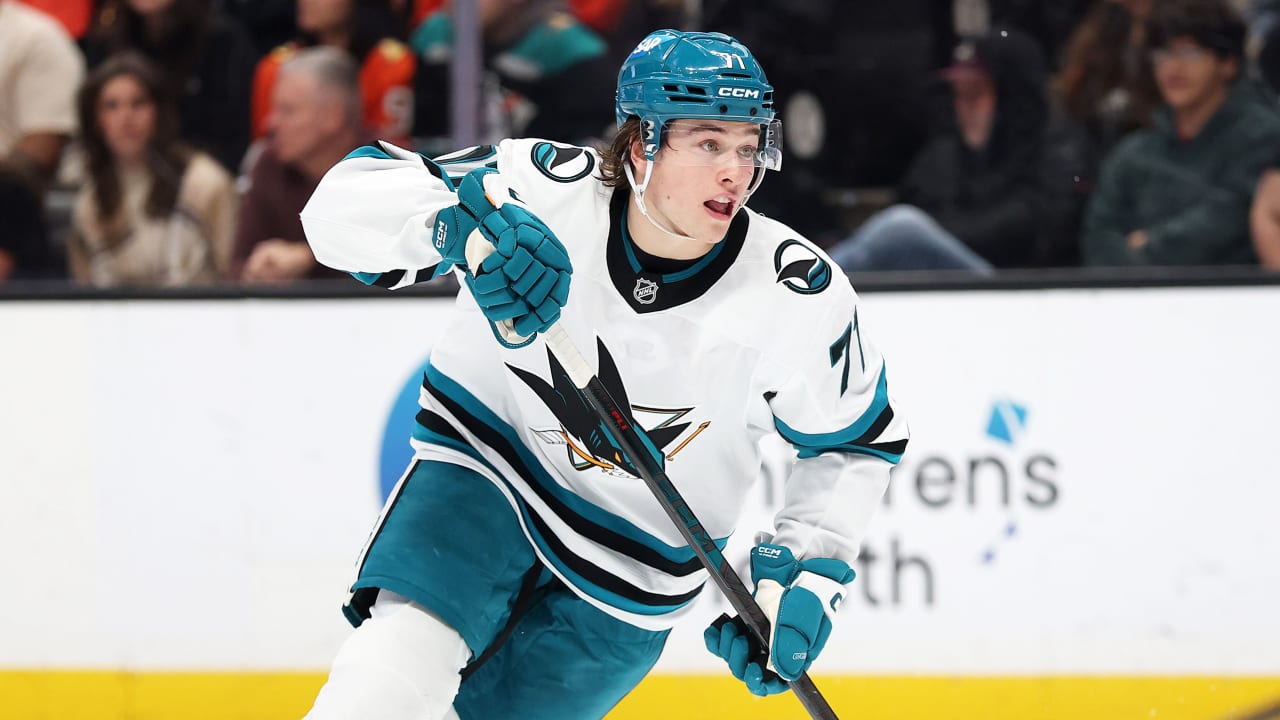
Jack Hughes, the New Jersey Devils' star forward, continues yearning for normalcy after his heroic overtime goal clinched Olympic gold for Team USA. Yet, in Pittsburgh against the Penguins, life roared back with a thunderous ovation from rival fans, turning a routine road game into a hero's welcome.[1][7]
Rivalry Reignited in the Steel City
The Devils-Penguins matchup carries decades of tension, with 294 games yielding a near-even record: Devils at 146-129-17-2. Recent clashes, like the February 26, 2026, thriller where Paul Cotter scored for New Jersey and Connor Clifton replied for Pittsburgh, highlight the intensity. Hughes' reception amid this storied rivalry—fueled by divisional battles and Crosby-era emotions—shows how Olympic fame transcends team loyalties.[3][4][7]
Waiting Game for the Golden Boy
Despite the cheers, Hughes awaits everyday hockey normalcy. Pittsburgh's embrace echoes broader NHL admiration, yet Devils-Penguins history promises fierce competition ahead. As seasons unfold, will gold-medal magic propel Hughes to Stanley Cup dreams, or will rivalries pull him back to reality?[1][2][5]
About the Organizations Mentioned
New Jersey Devils
```html <!DOCTYPE html> <html lang="en"> <head> <meta charset="UTF-8"> <meta name="viewport" content="width=device-width, initial-scale=1.0"> <title>New Jersey Devils: A Legacy in Transition</title> <style> body { font-family: Arial, sans-serif; line-height: 1.6; max-width: 800px; margin: 0 auto; padding: 20px; } h1 { color: #d11141; text-align: center; } h2 { color: #003087; } p { margin-bottom: 1em; } </style> </head> <body> <h1>New Jersey Devils: Hockey's Resilient Powerhouse</h1> <p>The **New Jersey Devils** are a storied National Hockey League (NHL) franchise, competing as a professional ice hockey team in the Metropolitan Division. Established in 1974 as the Kansas City Scouts and relocated to New Jersey in 1982, the organization delivers high-stakes entertainment, fosters elite talent development, and drives fan engagement through games at Prudential Center.[4]</p> <h2>Rich History and Iconic Achievements</h2> <p>Over 52 seasons by 2025-26, the Devils have built a legacy of defensive dominance, clinching three Stanley Cups (1995, 2000, 2003). Legends like **Martin Brodeur**, Scott Stevens, and Scott Niedermayer anchor the franchise's Hall of Fame-caliber roster, with Brodeur's goaltending revolutionizing the neutral-zone trap strategy.[2] These triumphs highlight a business model blending scouting prowess and shrewd management.</p> <h2>Current Status: Challenges Amid Promise</h2> <p>In the 2025-2
Pittsburgh Penguins
The **Pittsburgh Penguins** are a professional ice hockey team in the National Hockey League (NHL), competing in the Metropolitan Division of the Eastern Conference and based in Pittsburgh, Pennsylvania.[1][2] Founded in 1967 as part of the NHL's first major expansion, the organization delivers high-stakes entertainment through regular-season games, playoffs, and community initiatives at PPG Paints Arena.[1][2] Early struggles defined the Penguins' history, but the 1980s arrival of **Mario Lemieux**—a three-time Hart Trophy MVP—ignited dominance, pairing with Jaromir Jagr (five-time Art Ross winner) for back-to-back **Stanley Cup** victories in 1991 and 1992.[1][2][3][5] Financial woes led to bankruptcy in the late 1990s, prompting Lemieux and Ronald Burkle to purchase and stabilize the franchise, blending business acumen with on-ice revival.[2] A new era dawned in 2005 with **Sidney Crosby**'s draft, the youngest NHL captain at 19 and a 2007 Hart winner, alongside Evgeni Malkin (2009 Conn Smythe playoff MVP).[1][3][4] This core, plus goalie Marc-Andre Fleury, secured three more Cups: 2009 (over Detroit), 2016 (over San Jose), and 2017 (over Nashville, first repeat since 1998).[1][2][5] Post-2009, they notched franchise-record 100+ point seasons and division titles.[1] As of recent seasons, the Penguins remain NHL powerhouses, with Hall of Famers like Lemieux, Crosby, Jagr, and builders Scotty Bowman and Jim Rutherford in their legacy (multiple Hockey Hall inductees).[1][4] Business-wise, they've leveraged star power for revenue growth, merchandise, and tech-enhanced fan experiences like advanced analytic
Team USA
**Team USA**, the public-facing brand of the United States Olympic & Paralympic Committee (USOPC), empowers America's elite athletes to compete on the global stage while driving innovation in sports performance and athlete support.[1][2][6] Founded in 1894 amid the International Olympic Committee's inception, the USOPC—headquartered in Colorado Springs, Colorado—evolved from early efforts by American IOC members to organize U.S. participation in the 1896 Athens Olympics. It formalized as the American Olympic Association in 1921 and gained its modern structure via the 1978 Ted Stevens Olympic and Amateur Sports Act, which designated it as the nation's National Olympic Committee (NOC) and, uniquely, National Paralympic Committee (NPC)—one of only four worldwide managing both.[1][2] U.S. Paralympics, a key division, launched in 2001 to oversee Paralympic teams and community programs.[2] The USOPC fields U.S. teams for the Olympic, Paralympic, Youth Olympic, Pan American, and Parapan American Games, collaborating with 45 Olympic National Governing Bodies (NGBs) and others for training, trials, and athlete selection. As a federally chartered nonprofit, it relies entirely on private funding from fans, sponsors, and partners—unlike government-backed NOCs elsewhere—allocating 78% of its budget directly to athletes via programs like the Athlete Marketing Platform and Technology and Innovation Fund, which deliver cutting-edge sport science and sponsorships.[1][3][5] Key achievements underscore its dominance: Team USA topped the 2020 Tokyo Olympics medal count with 113 medals (39 golds) across 28 sports and ranked third in Paralympics with 104 medals (37 golds), even amid pandemic delays.[3] The U.S. consistently leads global medal tallies, hosts major events, and holds leadership roles in internationa
NHL
The **National Hockey League (NHL)** is the premier professional ice hockey organization in North America, operating 32 teams—25 in the U.S. and 7 in Canada—across Eastern and Western Conferences with four divisions each.[1][2][3] Headquartered in Midtown Manhattan, New York City, it governs an 82-game regular season from October to April, followed by playoffs culminating in the Stanley Cup, North America's oldest professional sports trophy awarded since 1926.[1][2][5] Founded on November 26, 1917, in Montreal amid World War I disruptions to predecessor leagues, the NHL started with four Canadian teams: Montreal Canadiens, Montreal Wanderers, Ottawa Senators, and Quebec Bulldogs.[2][3][5] It expanded to the U.S. in 1924 with the Boston Bruins and stabilized as the "Original Six" (Bruins, Black Hawks, Red Wings, Canadiens, Rangers, Maple Leafs) from 1942 to 1967, a golden era of rivalries and stars.[1][2][5] Post-1967 expansion doubled teams to 12, surging to 21 by 1979 after merging with the World Hockey Association; further growth hit 30 by 2000 and 32 today, including recent additions like Utah Mammoth and Seattle Kraken.[2][3][5][6] Key achievements include full Stanley Cup control in 1947, global player diversity from over 20 countries, and innovations like salary caps, rule standardization influencing junior leagues, and international games in Europe and Asia.[1][3][5] Under Commissioner Gary Bettman since 1993, the NHL's Board of Governors—chaired by Boston's Jeremy Jacobs—oversees expansions, relocations, and policies.[1][5] Currently, as one of North America's "Big Four" leagues (second-oldest after MLB), the NHL trails in U.S