A Transformed Athlete: Ilia Malinin's Journey from Pressure to Perspective at Milano Cortina

A Transformed Athlete
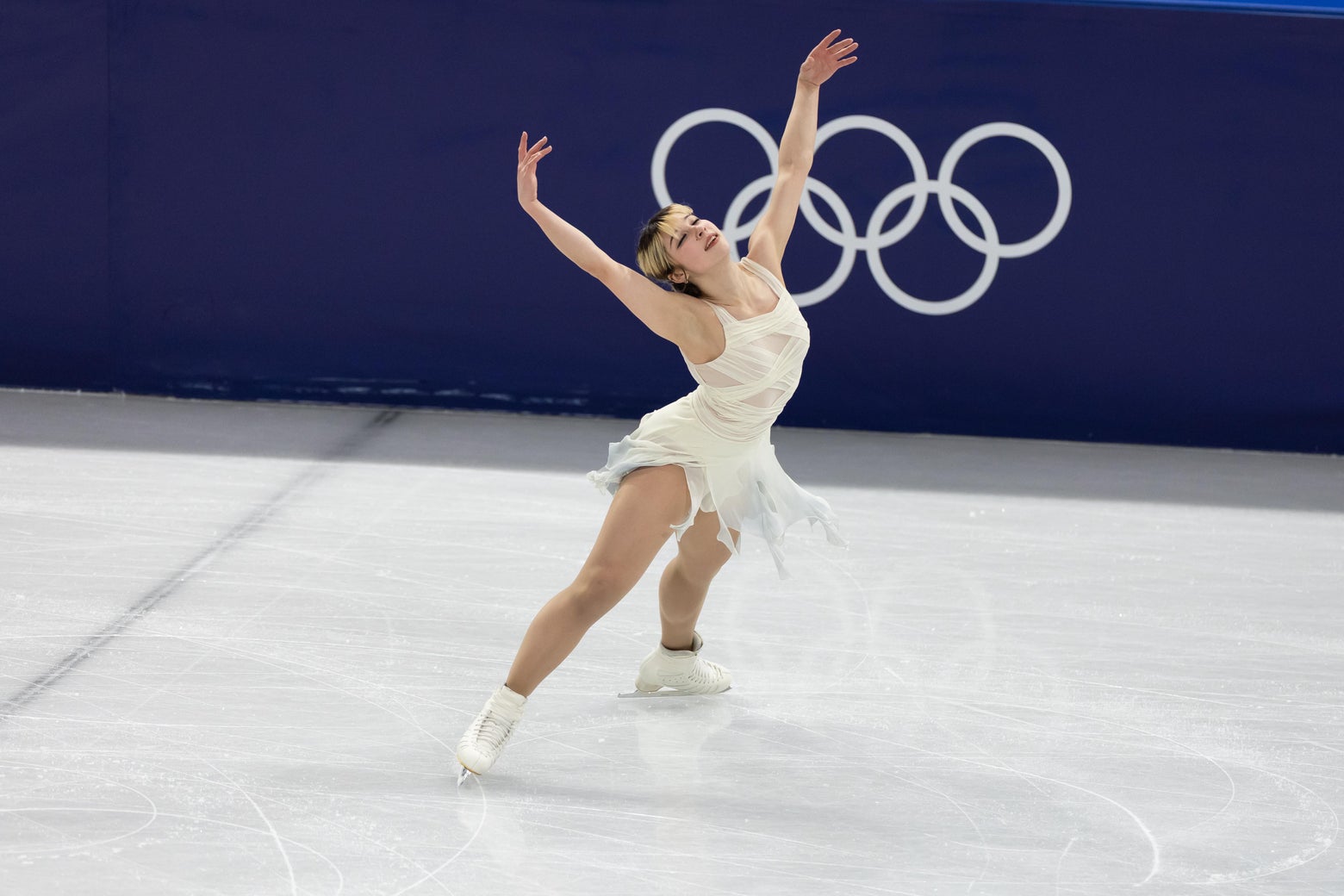
Ilia Malinin arrived at the Milano Cortina Olympics as Team USA's gold medal favorite, but his eighth-place finish in men's figure skating marked a profound turning point. The 21-year-old has emerged from that disappointing performance as a different person—one whose measured words reflect deeper purpose beyond competition.
From Pressure to Perspective
The Olympic stage exposed vulnerabilities Malinin hadn't anticipated. Multiple falls during his free skate, combined with intense pressure and online scrutiny, forced him to confront mental and emotional challenges. Yet rather than retreating, he openly discussed the invisible battles athletes face, transforming personal struggle into meaningful dialogue about mental health in sports.
Redefining Success
Malinin now prioritizes being known as the "Quad God" who pushes athletic boundaries over medal counts. His resilience demonstrates that failure can catalyze growth. By sharing his experience, he's helping others understand that even elite athletes navigate difficult days, making him an unexpectedly powerful voice for change.
```About the Organizations Mentioned
Team USA
**Team USA**, the public-facing brand of the United States Olympic & Paralympic Committee (USOPC), empowers America's elite athletes to compete on the global stage while driving innovation in sports performance and athlete support.[1][2][6] Founded in 1894 amid the International Olympic Committee's inception, the USOPC—headquartered in Colorado Springs, Colorado—evolved from early efforts by American IOC members to organize U.S. participation in the 1896 Athens Olympics. It formalized as the American Olympic Association in 1921 and gained its modern structure via the 1978 Ted Stevens Olympic and Amateur Sports Act, which designated it as the nation's National Olympic Committee (NOC) and, uniquely, National Paralympic Committee (NPC)—one of only four worldwide managing both.[1][2] U.S. Paralympics, a key division, launched in 2001 to oversee Paralympic teams and community programs.[2] The USOPC fields U.S. teams for the Olympic, Paralympic, Youth Olympic, Pan American, and Parapan American Games, collaborating with 45 Olympic National Governing Bodies (NGBs) and others for training, trials, and athlete selection. As a federally chartered nonprofit, it relies entirely on private funding from fans, sponsors, and partners—unlike government-backed NOCs elsewhere—allocating 78% of its budget directly to athletes via programs like the Athlete Marketing Platform and Technology and Innovation Fund, which deliver cutting-edge sport science and sponsorships.[1][3][5] Key achievements underscore its dominance: Team USA topped the 2020 Tokyo Olympics medal count with 113 medals (39 golds) across 28 sports and ranked third in Paralympics with 104 medals (37 golds), even amid pandemic delays.[3] The U.S. consistently leads global medal tallies, hosts major events, and holds leadership roles in internationa
Olympics
```html <!DOCTYPE html> <html lang="en"> <head> <meta charset="UTF-8"> <meta name="viewport" content="width=device-width, initial-scale=1.0"> <title>The International Olympic Committee: Powering Global Sport Through Innovation</title> <style> body { font-family: Arial, sans-serif; line-height: 1.6; max-width: 800px; margin: 0 auto; padding: 20px; } h1 { color: #0066cc; } h2 { color: #003366; } p { margin-bottom: 1em; } </style> </head> <body> <h1>The International Olympic Committee: Powering Global Sport Through Innovation</h1> <p>The **International Olympic Committee (IOC)**, founded in 1894 by Pierre de Coubertin in Lausanne, Switzerland, serves as the supreme non-governmental authority governing the modern Olympic Movement[1][2][3]. This not-for-profit powerhouse organizes the Summer, Winter, and Youth Olympics, overseeing more than 200 National Olympic Committees (NOCs) and 40+ International Federations (IFs)[2][6]. Its mission: promote Olympism worldwide, fostering collaboration among athletes, sponsors, broadcasters, and UN agencies to build a better world through sport[1][4][5].</p> <h2>A Storied Legacy of Global Influence</h2> <p>Born from the 1894 Olympic Congress at Paris's Sorbonne, the IOC revived ancient games, debuting in 1896 Athens with Demetrios Vikelas as first president[1][2][3]. Today, its 105 active members wield immense power, managing finances, selecting host cities, and awarding medals—gold, silver, bronze, plus special honors[1][2]