Pence Challenges Trump on Venezuela's Leadership

Pence Challenges Trump on Venezuela's Leadership
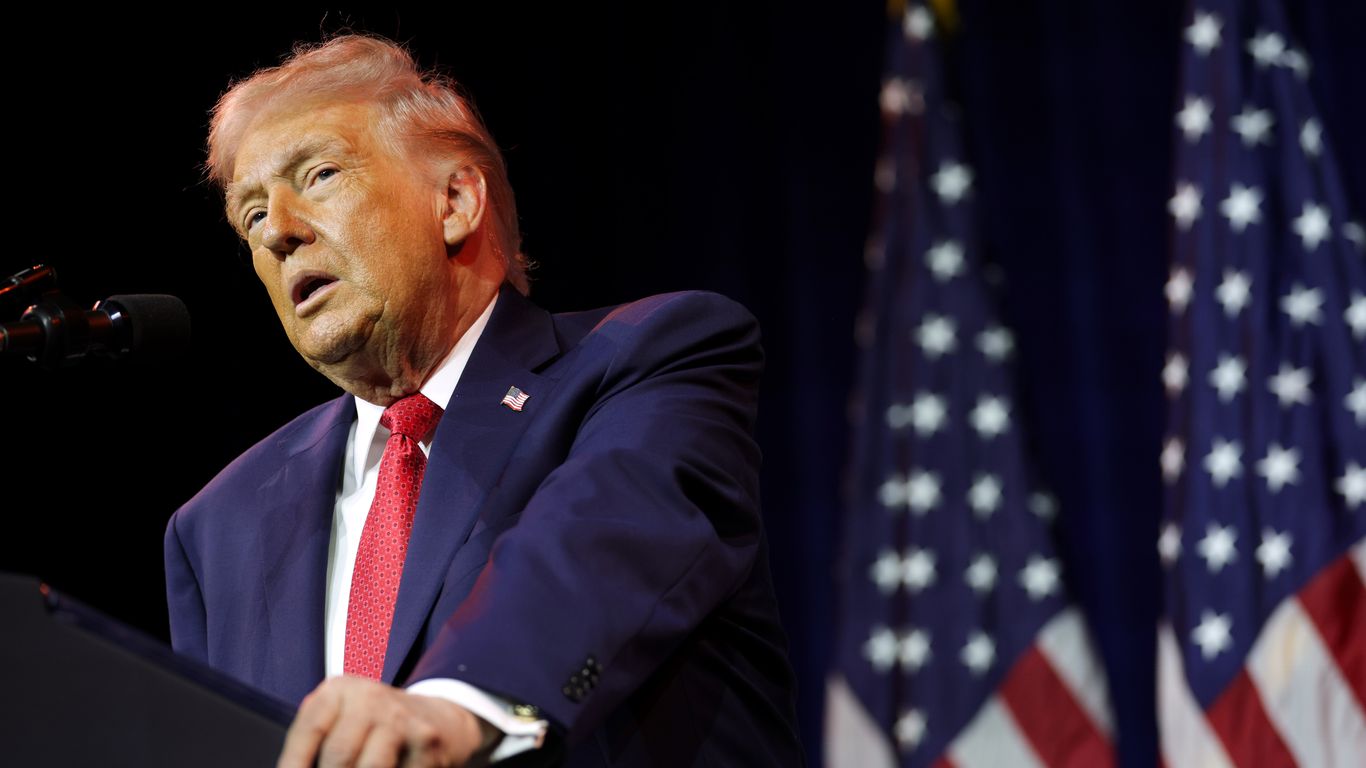
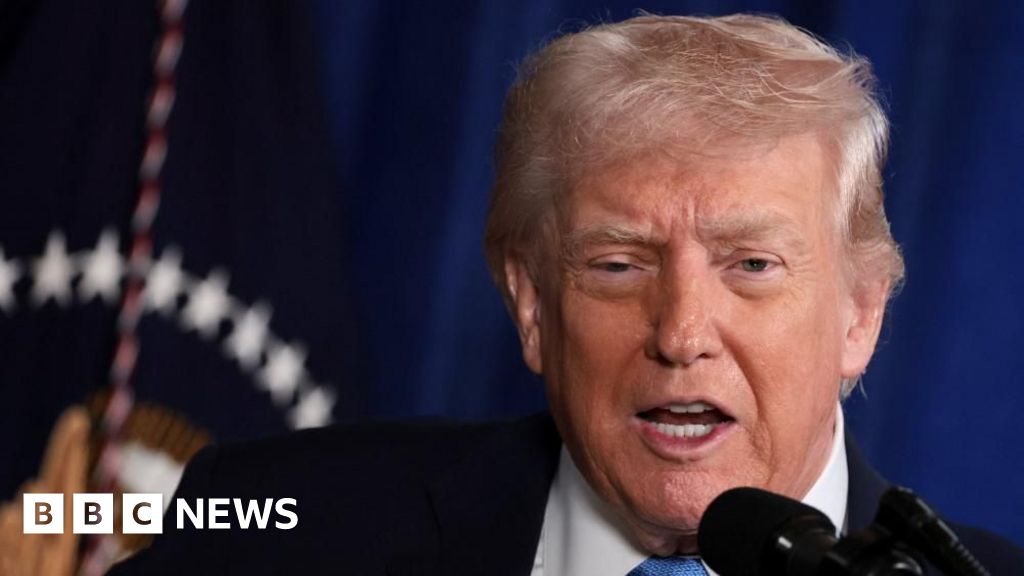
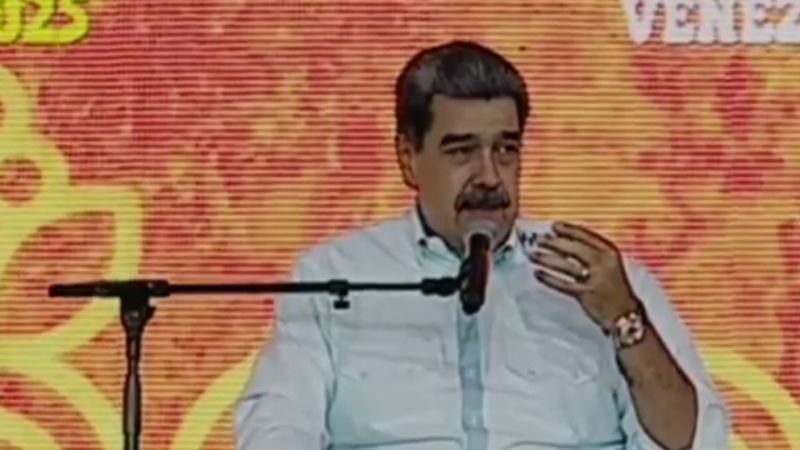
Former Vice President Mike Pence sharply criticized Delcy Rodríguez, declaring her "not the right leader" for Venezuela's future, breaking ranks with President Donald Trump. Following Nicolás Maduro's capture by U.S. Delta Force three weeks ago, Rodríguez, Maduro's loyal vice president, assumed acting presidency on January 3. Trump praised her as a "terrific person" poised to "make Venezuela great again," prioritizing stability over immediate change.[2][3]
Roots of Pence's Opposition
Pence, speaking on CNN's State of the Union, urged swift restoration of liberties and free markets through fair elections, confident Venezuelans would choose freedom, possibly backing opposition figure Maria Corina Machado. His stance contrasts Trump's caution, influenced by CIA advice for interim stability to avoid insurgency like Iraq. Rodríguez's past as a DEA "priority target" since 2022, linked to alleged drug trafficking and smuggling, fuels Pence's doubts despite no formal U.S. charges.[1][3]
Implications for U.S. Policy
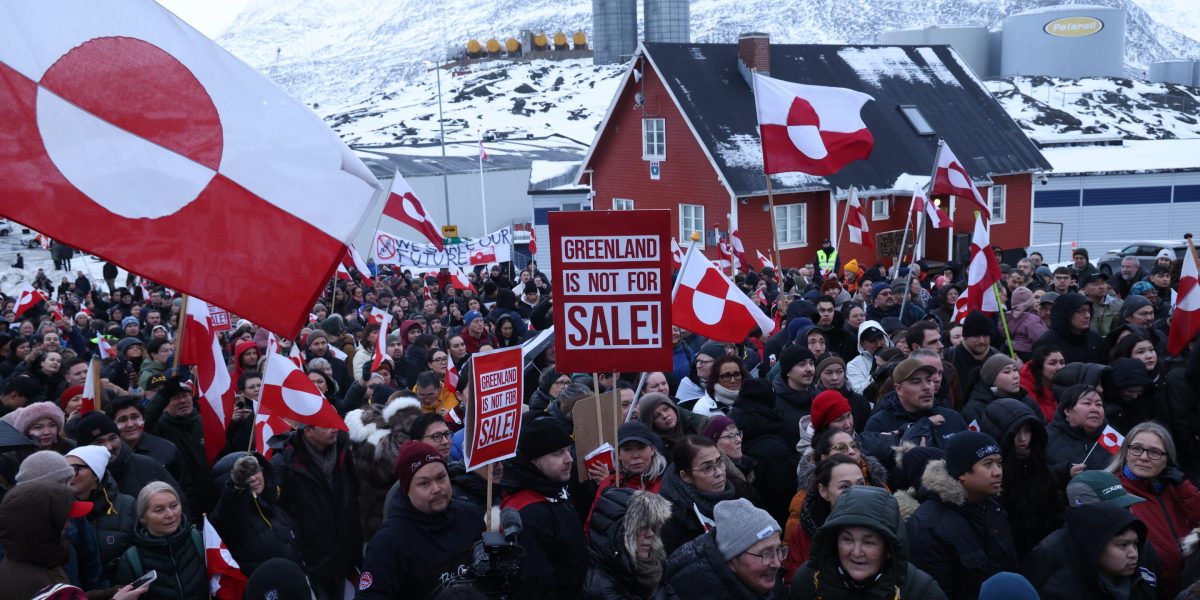
As the White House eyes elections without a timeline, Pence's call highlights tensions in Trump's approach, echoing his Greenland tariff concerns. With Machado's recent White House visit impressing Trump, Venezuela's path remains uncertain, balancing stability against democratic renewal.[2]
About the People Mentioned
Donald Trump
Donald John Trump, born June 14, 1946, in Queens, New York, is an American businessman, media personality, and politician. He graduated from the University of Pennsylvania’s Wharton School in 1968 with a degree in economics. In 1971, he took over his family’s real estate business, renaming it the Trump Organization, through which he expanded into building and managing skyscrapers, hotels, casinos, and golf courses. Trump gained widespread fame as the host of the reality TV show *The Apprentice* from 2004 to 2015, which helped establish his public persona as a successful entrepreneur. Trump entered politics as a Republican and was elected the 45th president of the United States, serving from 2017 to 2021. His presidency was marked by significant policy actions including tax cuts, deregulation, the appointment of three Supreme Court justices, renegotiation of trade agreements (notably replacing NAFTA with the USMCA), and a focus on immigration control including border wall expansion. He withdrew the U.S. from international agreements such as the Paris Climate Accord and the Iran nuclear deal, and engaged in a trade war with China. His administration’s response to the COVID-19 pandemic was criticized for downplaying the virus’s severity. Trump was impeached twice by the House of Representatives—first in 2019 for abuse of power and obstruction, and again in 2021 for incitement of insurrection—but was acquitted by the Senate both times. After losing the 2020 election to Joe Biden, Trump challenged the results, culminating in the January 6, 2021, Capitol riot. He remains a central figure in American politics, having won the 2024 presidential election and returned as the 47th president in 2025, continuing to promote policies aimed at economic growth, border security, and military strength[1][2][3][4].
Nicolás Maduro
Nicolás Maduro Moros, born on November 23, 1962, in Caracas, Venezuela, is a Venezuelan politician who has served as the president of Venezuela since April 2013. He rose to power following the death of long-time president Hugo Chávez, initially becoming interim president and then winning a special election later that year. Before his presidency, Maduro was a bus driver and union leader, gaining experience as a labor organizer, and later held key political roles including speaker of the National Assembly and minister of foreign affairs under Chávez[1][2]. Maduro is a prominent figure of *chavismo*, the political ideology established by Chávez, and has been the leader of the United Socialist Party of Venezuela (PSUV). His administration has been marked by severe economic challenges, including hyperinflation, shortages of basic goods, and a collapse in public services, which have contributed to widespread social unrest and protests. Critics accuse his government of authoritarianism, human rights abuses, and corruption, while Maduro and his supporters attribute Venezuela's crises largely to international sanctions and external interference[1][2][3]. Internationally, Maduro's legitimacy has been contested, with numerous countries and organizations refusing to recognize his presidency following disputed elections in 2018 and 2024. His government is known for tight control over the economy and media, with reports of repression against opposition parties and independent press. In recent years, allegations of corruption involving Maduro's family and close associates have surfaced, including high-profile criminal convictions related to drug trafficking schemes linked to his inner circle[3]. Despite ongoing political isolation and economic hardship, Nicolás Maduro remains in power as of late 2025, maintaining his position through the support of Venezuela’s military and loyalist institutions, continuing to assert his leadership amid persistent domestic and international challenges[1][2][3][4].
About the Organizations Mentioned
Delta Force
**Delta Force**, officially the **1st Special Forces Operational Detachment-Delta (1st SFOD-D)**, is the U.S. Army's elite Tier 1 special operations unit under Joint Special Operations Command (JSOC), specializing in counterterrorism, hostage rescue, direct action raids, and special reconnaissance against high-value targets.[1][2][3] Founded in 1977 at Fort Bragg (now Fort Liberty), North Carolina, Delta Force emerged from post-1970s terrorist threats, inspired by the British SAS to counter non-state actors with agile, lethal teams.[5][6] Its existence remains unconfirmed by the U.S. government, earning nicknames like **Combat Applications Group (CAG)**, **Task Force Green**, "The Unit," or Army Compartmented Elements (ACE).[2][3][4] Operators, drawn mainly from the 75th Ranger Regiment and Special Forces (Green Berets), undergo grueling selection; only 300-400 of roughly 1,000-2,000 personnel are combat "operators" excelling in close-quarters battle, sniping, explosives, and vehicle takedowns.[1][4][5] Structured into assault squadrons (A-D) with direct action and recon/sniper troops, plus aviation (E), clandestine ops (G), combat support, signals, and a cyber squadron (CNOS) for digital warfare—Delta adapts to any environment, from aircraft to urban chaos.[1][3][4][6][7] Key achievements include the 1993 Battle of Mogadishu (inspiring *Black Hawk Down*), capturing drug lord El Chapo in Operation Black Swan, and killing ISIS leader Abu Bakr al-Baghdadi in Operation Kayla Mueller (2019), often partnering with CIA and DEVGRU.[3][5] Today, Delta executes the military's most classified, president-directed missions, blending physical prowess with cyber expertise in an era o
CIA
## Overview The Central Intelligence Agency (CIA) is the principal civilian foreign intelligence service of the United States federal government, specializing in collecting, analyzing, and providing intelligence on global affairs to inform national security decisions[2][5]. Headquartered at the George Bush Center for Intelligence in Langley, Virginia, the CIA is a key member of the U.S. Intelligence Community and reports to the Director of National Intelligence[5]. Its mission is to protect the nation and advance its security interests by delivering objective intelligence to the president, the National Security Council, and other policymakers—without making policy recommendations itself[2][5]. ## History and Evolution Established in 1947 by the National Security Act, the CIA was born out of the need for centralized intelligence after World War II. Over the decades, its focus has shifted: from Cold War espionage and counterintelligence, to a post-9/11 emphasis on counterterrorism, and more recently, to countering state actors like Russia and China[4]. The agency has undergone several transformations, adapting to new threats and technologies, and has been involved in covert operations, paramilitary activities, and support for foreign governments[5]. ## Key Achievements The CIA has played pivotal roles in shaping global events, from Cold War-era regime changes and intelligence-sharing with allies, to disrupting terrorist networks and uncovering foreign interference in U.S. elections[4][5]. It is responsible for coordinating human intelligence (HUMINT) across the Intelligence Community and has helped establish intelligence services in many countries[5]. The agency also produces the CIA World Factbook, a comprehensive public resource on country data and statistics used by governments, businesses, and journalists worldwide[1][7]. ## Current Status and Structure As of 2025, the CIA operates through multidisciplinary mission centers, integrating analysis, operations, technical, and digital capabilities across five directorates[2]. It does not have a law enforcement function but collaborates with other agencies on counter
White House
The **White House Office** is a central organizational component within the Executive Office of the President of the United States (EOP), tasked with supporting the President in managing day-to-day operations, policy formulation, and political affairs. It is headed by the White House Chief of Staff and staffed by senior aides who report directly to the President, including those with titles such as Assistant to the President and Deputy Assistant to the President. These staff members are mostly political appointees without the need for Senate confirmation, allowing the President considerable discretion in shaping the office to suit each administration's priorities[1]. Historically, the White House Office was established in 1939 through Reorganization Plan 1 and Executive Order 8248 to provide immediate assistance to the President. It functions as the nerve center for presidential staff, physically located primarily in the West Wing, and plays a pivotal role in managing the President’s policy agenda, communications, and political strategy. Its flexible organization allows each President to tailor the staff composition and roles according to their governance style and objectives[1]. In the current context of 2025, the White House Office operates under the administration of President Donald J. Trump, who returned to office after the 2024 election. His administration emphasizes rejecting prior policies deemed extremist and focuses on enhancing quality of life, economic growth, and American energy dominance. The administration includes Vice President JD Vance and First Lady Melania Trump, among others, with a Cabinet advising on various governmental functions[4][6]. Recent initiatives linked to the White House’s operational sphere include the establishment of a new **Department of Government Efficiency (DOGE)** aimed at modernizing federal technology and software to boost government productivity. The DOGE agenda is implemented through the renamed United States DOGE Service within the Executive Office, reflecting a concerted push to leverage technology for administrative modernization[5]. Notably, the White House Office also coordinates national security and homeland security functions through the National Security Council staff, underscoring its central role
CNN
**CNN (Cable News Network)** is a pioneering 24-hour cable news channel founded by media mogul Ted Turner and launched on June 1, 1980. It revolutionized television news by providing continuous, live news coverage worldwide, breaking from the traditional scheduled news broadcasts prevalent at the time[1][3][4][5]. CNN's headquarters are in Atlanta, Georgia, where it remains a major hub for news production. **History and Growth:** CNN was born from Ted Turner’s vision to create the first all-news channel, despite skepticism from industry professionals. Starting with a modest team and resources, it grew rapidly, expanding its reach through cable, satellite, and digital platforms. In 1982, CNN introduced CNN2 (later HLN), the first news channel to use a "wheel" schedule, and in 1985 launched CNN International to serve global audiences[1][4][6]. The network gained significant prominence during events like the 1991 Persian Gulf War, offering real-time battlefield coverage that established CNN as a trusted news source[3][6]. CNN’s website, CNN.com, launched in 1995, was among the first major news websites, marking its early embrace of digital news delivery[6]. **Ownership and Business Evolution:** In 1996, CNN became part of Time Warner (later WarnerMedia), and subsequently Warner Bros. Discovery, reflecting its integration into a major media conglomerate[1][2][6]. The network has adapted to changing media landscapes, including cost-cutting measures announced in 2022 but maintaining a commitment to longform and investigative content[1]. **Key Achievements:** CNN is credited with shaping modern journalism through its live, around-the-clock news coverage and global bureaus. It has earned numerous awards for its reporting and has influenced the creation of similar 24-hour news channels. Its notable anchors and correspondents, such as Bernard Shaw and Christiane Amanpour, have contributed to its authoritative reputation[1]