Kennedy Center Clashes Over Trump's Name Controversy
Kennedy Center Clashes with Musician Over Trump Name Controversy
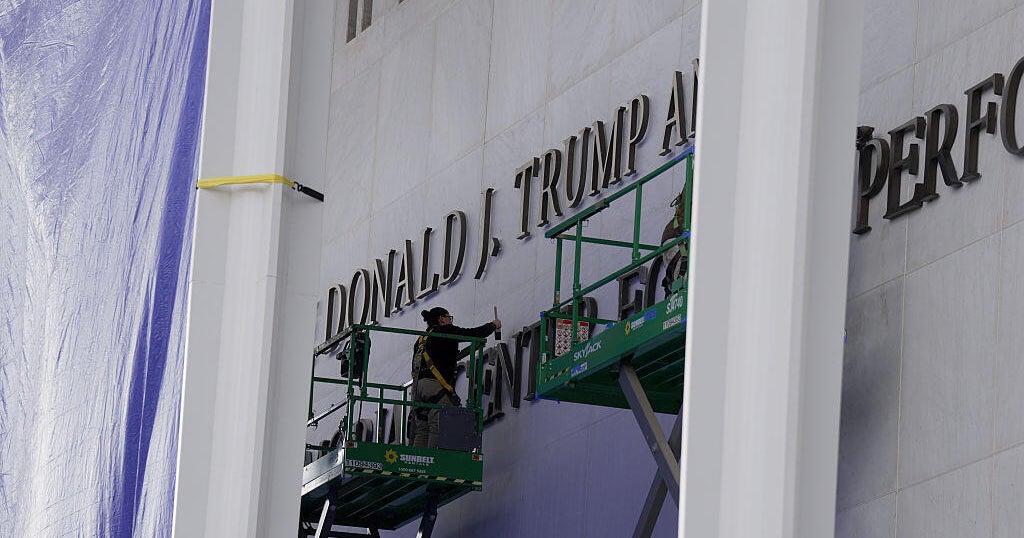
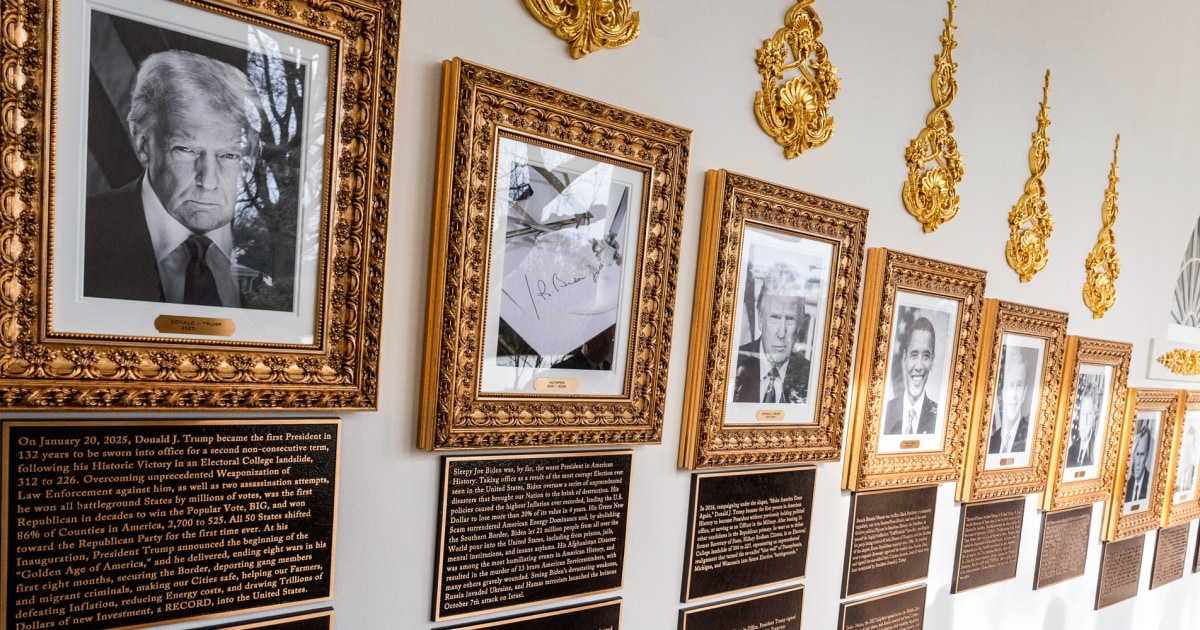
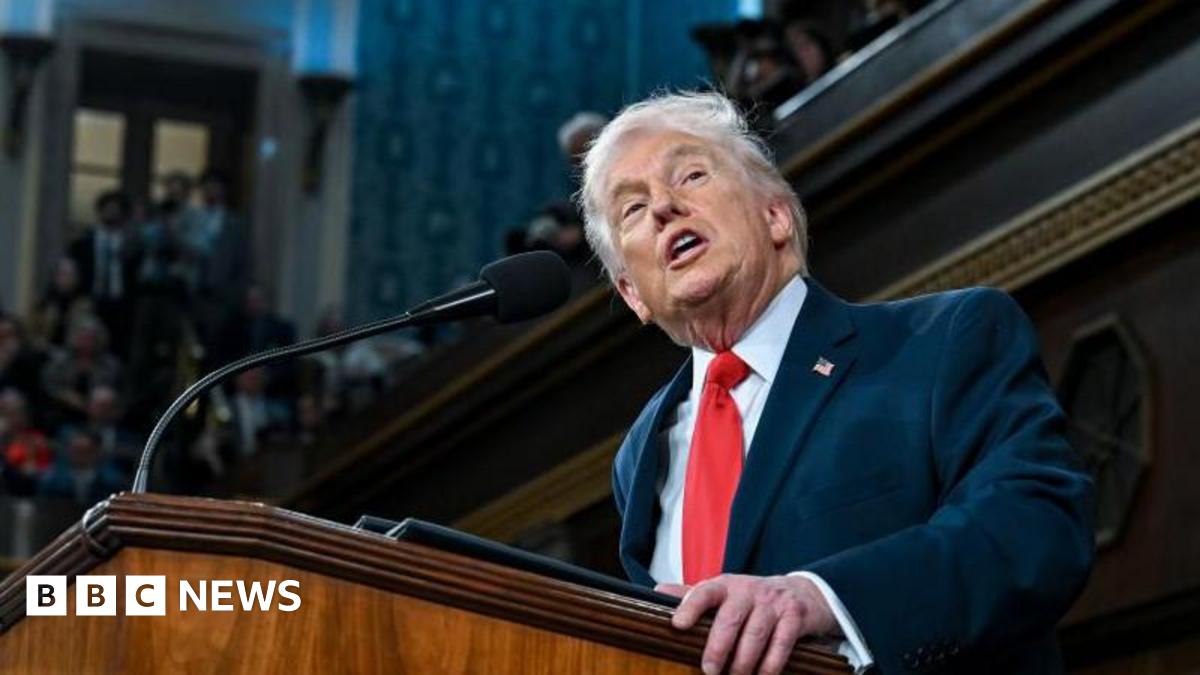
The Kennedy Center's president has sharply criticized jazz vibraphonist Chuck Redd for abruptly canceling his Christmas Eve performance, just days after the White House announced adding President Donald Trump's name to the iconic venue. This decision sparked immediate backlash, highlighting deep cultural and political divides in the arts world. Redd cited personal convictions, refusing to perform at a space now honoring Trump ahead of John F. Kennedy's legacy.
Backlash from Kennedy Family and Legal Challenges
The Kennedy family vehemently opposed the renaming, slamming it as disrespectful to JFK's enduring honor. A new lawsuit accuses the move of illegally bypassing Congress, echoing criticisms from figures like Congresswoman Beatty who decried it as an ego-driven trampling of federal law. Similar renamings, such as the Department of Defense to Department of War, fuel accusations of executive overreach in Washington landmarks.
Implications for Arts and Politics
This incident underscores tensions where politics infiltrates performing arts, potentially deterring artists and prompting boycotts. As debates rage over the center's future name—requiring congressional approval—the clash raises questions about institutional integrity versus presidential influence, reshaping cultural venues amid ongoing legal battles.
About the People Mentioned
Donald Trump
Donald John Trump, born June 14, 1946, in Queens, New York, is an American businessman, media personality, and politician. He graduated from the University of Pennsylvania’s Wharton School in 1968 with a degree in economics. In 1971, he took over his family’s real estate business, renaming it the Trump Organization, through which he expanded into building and managing skyscrapers, hotels, casinos, and golf courses. Trump gained widespread fame as the host of the reality TV show *The Apprentice* from 2004 to 2015, which helped establish his public persona as a successful entrepreneur. Trump entered politics as a Republican and was elected the 45th president of the United States, serving from 2017 to 2021. His presidency was marked by significant policy actions including tax cuts, deregulation, the appointment of three Supreme Court justices, renegotiation of trade agreements (notably replacing NAFTA with the USMCA), and a focus on immigration control including border wall expansion. He withdrew the U.S. from international agreements such as the Paris Climate Accord and the Iran nuclear deal, and engaged in a trade war with China. His administration’s response to the COVID-19 pandemic was criticized for downplaying the virus’s severity. Trump was impeached twice by the House of Representatives—first in 2019 for abuse of power and obstruction, and again in 2021 for incitement of insurrection—but was acquitted by the Senate both times. After losing the 2020 election to Joe Biden, Trump challenged the results, culminating in the January 6, 2021, Capitol riot. He remains a central figure in American politics, having won the 2024 presidential election and returned as the 47th president in 2025, continuing to promote policies aimed at economic growth, border security, and military strength[1][2][3][4].
About the Organizations Mentioned
Kennedy Center
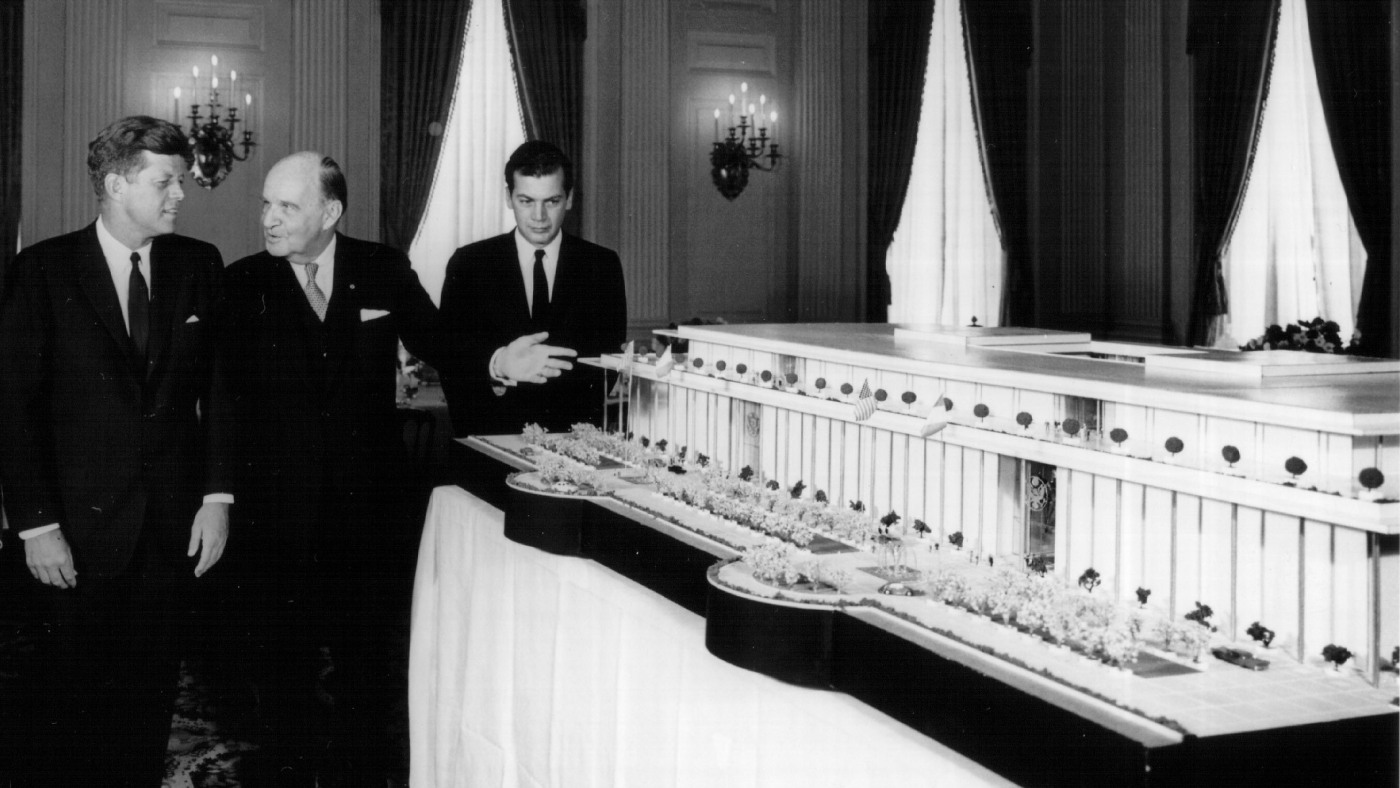
The **John F. Kennedy Center for the Performing Arts** is the United States' national cultural center, located on the Potomac River in Washington, D.C., and serves as a living memorial to President John F. Kennedy. Established by an Act of Congress in 1964 and opened in 1971, the Kennedy Center presents a diverse range of performing arts including classical and contemporary music, opera, drama, dance, jazz, pop, and folk music, showcasing both American and international artists[1][2][4]. It is the official home of the National Symphony Orchestra and the Washington National Opera[2][3]. The center operates as a public-private partnership, funded largely through private donations, ticket sales, and corporate gifts, with federal funding designated primarily for building maintenance and operations[2]. Architect Edward Durell Stone designed the original building, characterized by its monumental white marble façade and grand interior spaces such as the 630-foot Grand Foyer and the acoustically renowned Concert Hall with a seating capacity of 2,460[2][3]. A significant recent development is **The REACH**, an expansion opened in 2019 designed by Steven Holl Architects. This addition transforms the center into a “living theater” by providing flexible indoor and outdoor spaces for rehearsal, education, and community engagement, blending architecture with landscape. The REACH includes art studios, performance spaces, and a reflective landscape honoring JFK’s legacy through symbolic elements like a grove of 35 ginkgo trees and a reflecting pool inspired by his WWII boat, PT109[1][5]. The Kennedy Center also offers extensive educational and outreach programs aimed at cultural enrichment and diversity, maintaining a commitment to artistic excellence[4]. Its venues are available for public and private events, and it features dining options and art-themed retail shops[3]. As of 2025, the center’s leadership includes President Andy Pharoah and Artistic Director Francesca Zambello, continuing its role as
White House
The **White House Office** is a central organizational component within the Executive Office of the President of the United States (EOP), tasked with supporting the President in managing day-to-day operations, policy formulation, and political affairs. It is headed by the White House Chief of Staff and staffed by senior aides who report directly to the President, including those with titles such as Assistant to the President and Deputy Assistant to the President. These staff members are mostly political appointees without the need for Senate confirmation, allowing the President considerable discretion in shaping the office to suit each administration's priorities[1]. Historically, the White House Office was established in 1939 through Reorganization Plan 1 and Executive Order 8248 to provide immediate assistance to the President. It functions as the nerve center for presidential staff, physically located primarily in the West Wing, and plays a pivotal role in managing the President’s policy agenda, communications, and political strategy. Its flexible organization allows each President to tailor the staff composition and roles according to their governance style and objectives[1]. In the current context of 2025, the White House Office operates under the administration of President Donald J. Trump, who returned to office after the 2024 election. His administration emphasizes rejecting prior policies deemed extremist and focuses on enhancing quality of life, economic growth, and American energy dominance. The administration includes Vice President JD Vance and First Lady Melania Trump, among others, with a Cabinet advising on various governmental functions[4][6]. Recent initiatives linked to the White House’s operational sphere include the establishment of a new **Department of Government Efficiency (DOGE)** aimed at modernizing federal technology and software to boost government productivity. The DOGE agenda is implemented through the renamed United States DOGE Service within the Executive Office, reflecting a concerted push to leverage technology for administrative modernization[5]. Notably, the White House Office also coordinates national security and homeland security functions through the National Security Council staff, underscoring its central role
Department of Defense
The **Department of Defense (DoD)** is a pivotal executive branch department of the U.S. government, responsible for coordinating and supervising all agencies and functions related to national security and the United States Armed Forces. Established by the National Security Act Amendments of 1949, the DoD is headquartered in the Pentagon and is led by the Secretary of Defense, who reports directly to the President of the United States[2][4]. ### History and Role The DoD was created to consolidate national defense efforts under a single entity, replacing the National Military Establishment. It plays a crucial role in maintaining and using armed forces to support and defend the Constitution, ensure national security, and uphold U.S. policies and interests[1][4]. The department oversees three major military departments: the Department of the Army, the Department of the Navy, and the Department of the Air Force, as well as newer additions like the Space Force[2][7]. ### Key Components and Achievements - **Military Departments**: Each branch has specific responsibilities, such as the Army focusing on land combat and the Navy on naval operations[6]. - **Agencies and Operations**: The DoD includes agencies like DARPA, NSA, and the Missile Defense Agency, contributing to technological advancements and strategic defense[2]. - **Current Status**: The DoD employs over 2.91 million personnel, including active-duty, reserve, and civilian workers, making it one of the world's largest bureaucracies[2]. ### Notable Aspects - **Global Influence**: The DoD plays a significant role in international security through its military operations and partnerships with allies[4]. - **Technological Innovation**: Agencies like DARPA have driven numerous technological breakthroughs, influencing both military and civilian sectors[2]. - **Government Contracting**: The DoD is a major player in government contracting, with significant implications for the business sector[7]. In summary, the Department of Defense is a cornerstone of U.S. national
Department of War
The **United States Department of War** was a historic Cabinet department responsible for managing the U.S. Army and, initially, naval affairs before the creation of separate departments for the Navy and Air Force. Established on August 7, 1789, it served as the primary federal institution overseeing military operations for 158 years until it was reorganized under the National Security Act of 1947, which split it into the Department of the Army and the newly formed Department of the Air Force[1][3]. Originally called the War Department and sometimes the War Office, it managed the Army's operation and maintenance, as well as naval affairs from 1794 until the Navy Department's establishment in 1798. It also oversaw most non-naval air forces until the Air Force became its own department in 1947[1]. The department was headed by the Secretary of War, a civilian official responsible for military finance, procurement, and limited military direction. Key historical milestones linked to the department include its role during foundational conflicts like the Revolutionary War, the Korean War, and the Vietnam War, where it coordinated U.S. military efforts. Following World War II and the National Security Act, the War Department’s functions were consolidated into the Department of Defense in 1949, which unified the Army, Navy, and Air Force under a single Secretary of Defense[3]. In modern context, there has been a recent executive order in 2025 aimed at restoring the Department of War name to replace the Department of Defense, emphasizing a stance of deterrence through strength and signaling a shift in military policy and branding[4]. This initiative includes restructuring commands and submitting legislative proposals to effect the change. Today, the Department of War (or its contemporary equivalent) remains America’s largest government agency, coordinating all military branches including the Army, Marine Corps, Navy, Air Force, Space Force, and National Guard to ensure national security and military readiness[5]. It continues to emphasize technological innovation, acquisition, and operational
Congress
The United States Congress is the legislative branch of the federal government, playing a pivotal role in shaping the nation's policies and laws. As a bicameral legislature, it consists of the House of Representatives and the Senate, each with distinct responsibilities. The House represents congressional districts, while the Senate represents states, ensuring diverse perspectives are heard. **History and Structure:** Congress has a rich history, evolving over time to reflect the nation's demographic changes and political shifts. It is structured into committees that specialize in various policy areas, facilitating the legislative process. The National Archives and Records Administration maintains historical records of Congress, highlighting its ongoing role in governance. **Key Achievements:** Throughout its history, Congress has achieved numerous milestones, including landmark legislation such as the Civil Rights Act and the Affordable Care Act. It has also played a significant role in shaping the nation's economic policies, influencing business and technological advancements. **Current Status:** The 119th Congress, which convened in January 2025, marks significant changes with a Republican majority in both chambers. This setup has implications for policy-making, especially in areas like healthcare and technology regulation. The current Congress is also notable for its diversity, being the most racially and ethnically diverse in history. **Notable Aspects:** - **Diversity and Representation:** The 119th Congress is the most diverse in U.S. history, with increased representation from diverse ethnic backgrounds and the inclusion of the first openly transgender federal legislator. - **Technological Integration:** Congress uses technology to enhance legislative processes, such as through platforms like Congress.gov, which provides access to legislative information and resources. - **Economic Impact:** Congress's decisions have profound impacts on business and technology sectors, influencing regulatory environments and investment opportunities. In summary, the U.S. Congress is a dynamic institution that plays a crucial role in shaping the nation's policies, laws, and economic landscape. Its ongoing evolution reflects the changing needs and demographics of the country, making it a vital