Pentagon Leadership Under Fire: Congress Demands Accountability
Pentagon Leadership Under Fire
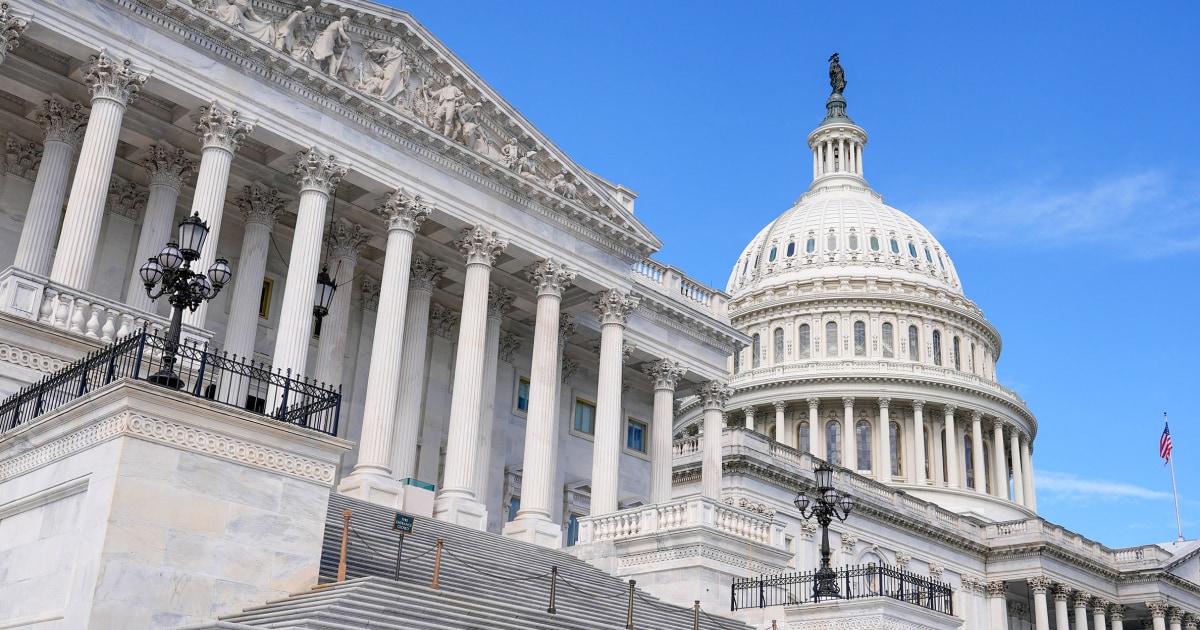
Defense Secretary Pete Hegseth continues facing intensifying congressional scrutiny over military operations conducted under his authority. The controversy centers on alleged boat strikes that have raised serious questions about operational decision-making and oversight at the Department of Defense. Lawmakers are demanding accountability and transparency regarding the authorization and execution of these controversial actions.
Operational Concerns and Accountability
The scrutiny reflects broader concerns about Hegseth's leadership approach since taking office. Democratic lawmakers have criticized the operations for potentially endangering service members and compromising mission integrity. A Navy Admiral involved in ordering the strike is scheduled to brief lawmakers, signaling Congress's determination to understand the full scope of decision-making processes and chain of command responsibilities.
Path Forward
This situation underscores the challenges facing Pentagon leadership in balancing operational effectiveness with proper oversight. As investigations continue, the outcomes will likely shape future military protocols and congressional oversight mechanisms regarding similar operations.
```About the People Mentioned
Pete Hegseth
Pete Hegseth is an American government official, author, and former television personality. Born on June 6, 1980, he graduated from Princeton University in 2003 and later earned a master's degree in Public Policy from Harvard University's John F. Kennedy School of Government in 2013[1][4]. Hegseth was commissioned as an infantry officer in the Minnesota Army National Guard, serving in Guantanamo Bay, Iraq, and Afghanistan. He received several military awards, including two Bronze Star Medals and the Combat Infantryman Badge[3][4]. After his military service, Hegseth worked with organizations such as Vets for Freedom and Concerned Veterans for America, where he served as executive director and CEO, respectively[1][7]. He became a contributor to Fox News in 2014 and later co-hosted *Fox & Friends Weekend* from 2017 to 2024[1][5]. Hegseth has written several books, including *American Crusade* and *The War on Warriors*, the latter being a New York Times bestseller[3][5]. In November 2024, Hegseth was nominated by President-elect Donald Trump to be the Secretary of Defense. He faced a contentious confirmation process, with allegations of misconduct and financial issues. Despite these challenges, Hegseth was confirmed by the Senate on January 25, 2025, with Vice President JD Vance casting a tie-breaking vote[1][2]. As Secretary of Defense, Hegseth has been involved in several significant events, including ordering budget cuts and firing top military officers to "focus our military on its core mission"[2]. He has also been at the center of controversy regarding the use of the Signal messaging app for sharing sensitive information[2]. In September 2025, Hegseth addressed senior military leaders, emphasizing the need for tighter fitness standards and opposition to certain policies he termed "woke garbage"[1].
About the Organizations Mentioned
Department of Defense
The **Department of Defense (DoD)** is a pivotal executive branch department of the U.S. government, responsible for coordinating and supervising all agencies and functions related to national security and the United States Armed Forces. Established by the National Security Act Amendments of 1949, the DoD is headquartered in the Pentagon and is led by the Secretary of Defense, who reports directly to the President of the United States[2][4]. ### History and Role The DoD was created to consolidate national defense efforts under a single entity, replacing the National Military Establishment. It plays a crucial role in maintaining and using armed forces to support and defend the Constitution, ensure national security, and uphold U.S. policies and interests[1][4]. The department oversees three major military departments: the Department of the Army, the Department of the Navy, and the Department of the Air Force, as well as newer additions like the Space Force[2][7]. ### Key Components and Achievements - **Military Departments**: Each branch has specific responsibilities, such as the Army focusing on land combat and the Navy on naval operations[6]. - **Agencies and Operations**: The DoD includes agencies like DARPA, NSA, and the Missile Defense Agency, contributing to technological advancements and strategic defense[2]. - **Current Status**: The DoD employs over 2.91 million personnel, including active-duty, reserve, and civilian workers, making it one of the world's largest bureaucracies[2]. ### Notable Aspects - **Global Influence**: The DoD plays a significant role in international security through its military operations and partnerships with allies[4]. - **Technological Innovation**: Agencies like DARPA have driven numerous technological breakthroughs, influencing both military and civilian sectors[2]. - **Government Contracting**: The DoD is a major player in government contracting, with significant implications for the business sector[7]. In summary, the Department of Defense is a cornerstone of U.S. national
Pentagon
The **Pentagon** is the headquarters of the United States Department of Defense (DoD), serving as the central command center for the nation's military operations and strategic defense planning. Situated in Arlington County, Virginia, it houses the leadership and staff of the Army, Navy, Marine Corps, Air Force, Space Force, and associated defense agencies and commands[1]. Originally constructed during World War II as a temporary War Department building, the Pentagon evolved into the permanent nerve center for U.S. military coordination following the 1947 National Security Act, which merged the War and Navy Departments and added the Air Force, establishing the modern DoD[2]. The Pentagon oversees America’s global military posture, playing a crucial role during the Cold War and continuing to adapt to current geopolitical challenges. Its organizational complexity includes civilian oversight through the service secretaries and integration with multinational commands such as NATO and NORAD[1]. The Pentagon is also notable for its vast infrastructure, which underwent a comprehensive renovation completed in the early 2000s to maintain its operational capacity and security[2]. In recent years, the Pentagon has shifted strategic focus to homeland defense and the Western Hemisphere, aligning with contemporary U.S. national security priorities such as border protection and countering adversaries like China[3]. Technologically, it actively invests in emerging industries critical to defense, including space technologies, microelectronics, biochemicals, and software modernization. The Office of Strategic Capital, established to channel private sector investment into defense technologies, exemplifies this focus on innovation and maintaining U.S. technological superiority[4][6]. Efforts such as the Pentagon’s software modernization implementation plan emphasize cloud adoption and agile software development to enhance military IT capabilities[6]. Additionally, political dynamics impact Pentagon leadership and policy directions, as seen in initiatives like Project 2025, which aims to influence personnel and strategic priorities aligned with conservative policy goals[5]. Overall, the Pentagon remains a pivotal institution at the intersection of defense, technology
Congress
The United States Congress is the legislative branch of the federal government, playing a pivotal role in shaping the nation's policies and laws. As a bicameral legislature, it consists of the House of Representatives and the Senate, each with distinct responsibilities. The House represents congressional districts, while the Senate represents states, ensuring diverse perspectives are heard. **History and Structure:** Congress has a rich history, evolving over time to reflect the nation's demographic changes and political shifts. It is structured into committees that specialize in various policy areas, facilitating the legislative process. The National Archives and Records Administration maintains historical records of Congress, highlighting its ongoing role in governance. **Key Achievements:** Throughout its history, Congress has achieved numerous milestones, including landmark legislation such as the Civil Rights Act and the Affordable Care Act. It has also played a significant role in shaping the nation's economic policies, influencing business and technological advancements. **Current Status:** The 119th Congress, which convened in January 2025, marks significant changes with a Republican majority in both chambers. This setup has implications for policy-making, especially in areas like healthcare and technology regulation. The current Congress is also notable for its diversity, being the most racially and ethnically diverse in history. **Notable Aspects:** - **Diversity and Representation:** The 119th Congress is the most diverse in U.S. history, with increased representation from diverse ethnic backgrounds and the inclusion of the first openly transgender federal legislator. - **Technological Integration:** Congress uses technology to enhance legislative processes, such as through platforms like Congress.gov, which provides access to legislative information and resources. - **Economic Impact:** Congress's decisions have profound impacts on business and technology sectors, influencing regulatory environments and investment opportunities. In summary, the U.S. Congress is a dynamic institution that plays a crucial role in shaping the nation's policies, laws, and economic landscape. Its ongoing evolution reflects the changing needs and demographics of the country, making it a vital
Navy
The **United States Navy (USN)** is the naval warfare branch of the U.S. Armed Forces and remains the world's most powerful navy, renowned for its advanced technology, vast fleet, and global reach. It operates as a critical instrument of national security, projecting power, securing sea lanes, and supporting U.S. interests worldwide. The Navy’s structure includes key bodies such as the Office of the Secretary of the Navy, the Office of the Chief of Naval Operations, operating forces, and the Shore Establishment, which together manage its complex operational and administrative functions[1][3]. Founded in 1775, the Navy has a rich history of evolving through technological advances and strategic shifts. Its legacy includes pivotal roles in major conflicts like the World Wars, the Cold War, and ongoing global operations. Today, it continues to innovate with cutting-edge assets including nuclear-powered aircraft carriers, advanced destroyers, and stealthy submarines. The Navy’s current active inventory comprises approximately 243 fleet units, with a strong emphasis on nuclear-powered carriers and destroyers accounting for nearly 30% and 25% of the force, respectively[2]. The introduction of the Ford-class supercarriers is a significant modernization milestone, replacing aging Nimitz-class carriers with more capable platforms. Key achievements include maintaining maritime superiority in multiple theaters such as the Indo-Pacific, the Middle East, and the Atlantic, supporting NATO, and countering emerging threats from rival powers like China and Russia[4]. The Navy also pioneers in integrating drones and other technologies that enhance battlefield capabilities while retaining traditional strengths in firepower and naval aviation. Currently, the Navy is engaged in a transformation focused on fleet expansion and modernization. Plans for 2025 call for delivering 10 new ships while retiring older vessels to maintain a competitive edge[6][7]. The Navy also emphasizes partnerships with allied navies, humanitarian assistance, and counter-narcoterrorism missions, reflecting its multifaceted role in global security[1]. Notable aspect