Perplexity Explains Its Role in NASA Space Shuttle Discovery and Houston Discussion

About the People Mentioned
Jared Isaacman
Jared Isaacman is an American entrepreneur, pilot, philanthropist, and commercial astronaut, best known for his leadership in the payments industry, aviation, and private space exploration[2][3]. Born on February 11, 1983, in Union, New Jersey, Isaacman demonstrated early entrepreneurial drive by founding United Bank Card—later renamed Harbortouch and then Shift4 Payments—at age 16 from his family’s basement[1][2]. Under his leadership as CEO and later Executive Chairman, Shift4 Payments grew into a leading integrated payment processing company, handling $200 billion in transactions annually for 60,000 merchants[2][3]. His business acumen earned him recognition as one of “America’s Best Entrepreneurs” by BusinessWeek and multiple nominations for Ernst & Young’s “Entrepreneur of the Year”[1]. Isaacman’s passion for aviation is equally notable. He holds over 7,000 flight hours and is rated in multiple experimental and ex-military aircraft[3]. He co-founded Draken International in 2011, now the world’s largest private air force, which trains pilots for the U.S. Armed Forces[3][5]. He has also performed in over 100 airshows with the Black Diamond Jet Team, dedicating proceeds to charity, and set two speed-around-the-world flight records in 2008 and 2009 to raise funds for the Make-a-Wish Foundation[3][5]. In the realm of space, Isaacman commanded SpaceX’s Inspiration4 mission in September 2021, the first all-civilian orbital spaceflight, which raised over $240 million for St. Jude Children’s Research Hospital, including his own $100 million pledge[2][3]. He is also the commander of the upcoming Polaris Dawn mission, part of a series aiming to advance commercial space capabilities, and is currently undergoing astronaut training with SpaceX[2][4]. His total time in space, following Inspiration4 and Polaris Dawn (completed September 2024), is nearly eight days[4]. Isaacman is married to Monica Isaacman, whom he met in middle school, and they have two daughters[5]. He holds a Bachelor of Science in Professional Aeronautics from Embry-Riddle Aeronautical University[1]. His blend of business leadership, aviation expertise, and commitment to philanthropy continues to make him a prominent figure in both the technology and aerospace sectors[3][6].
About the Organizations Mentioned
NASA
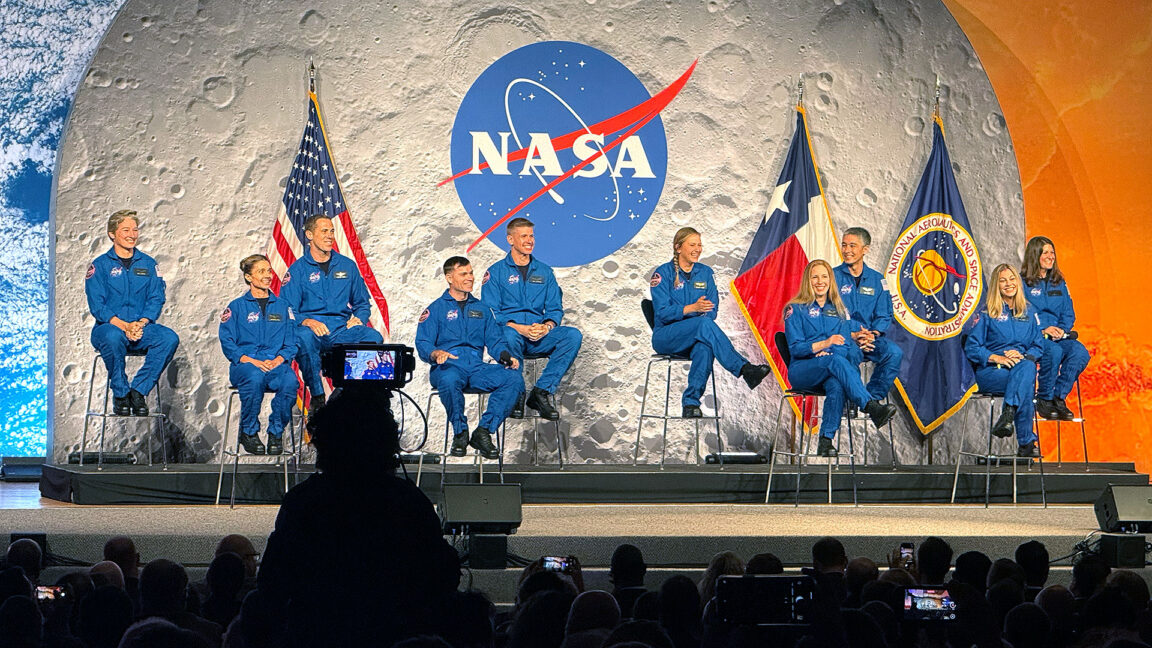
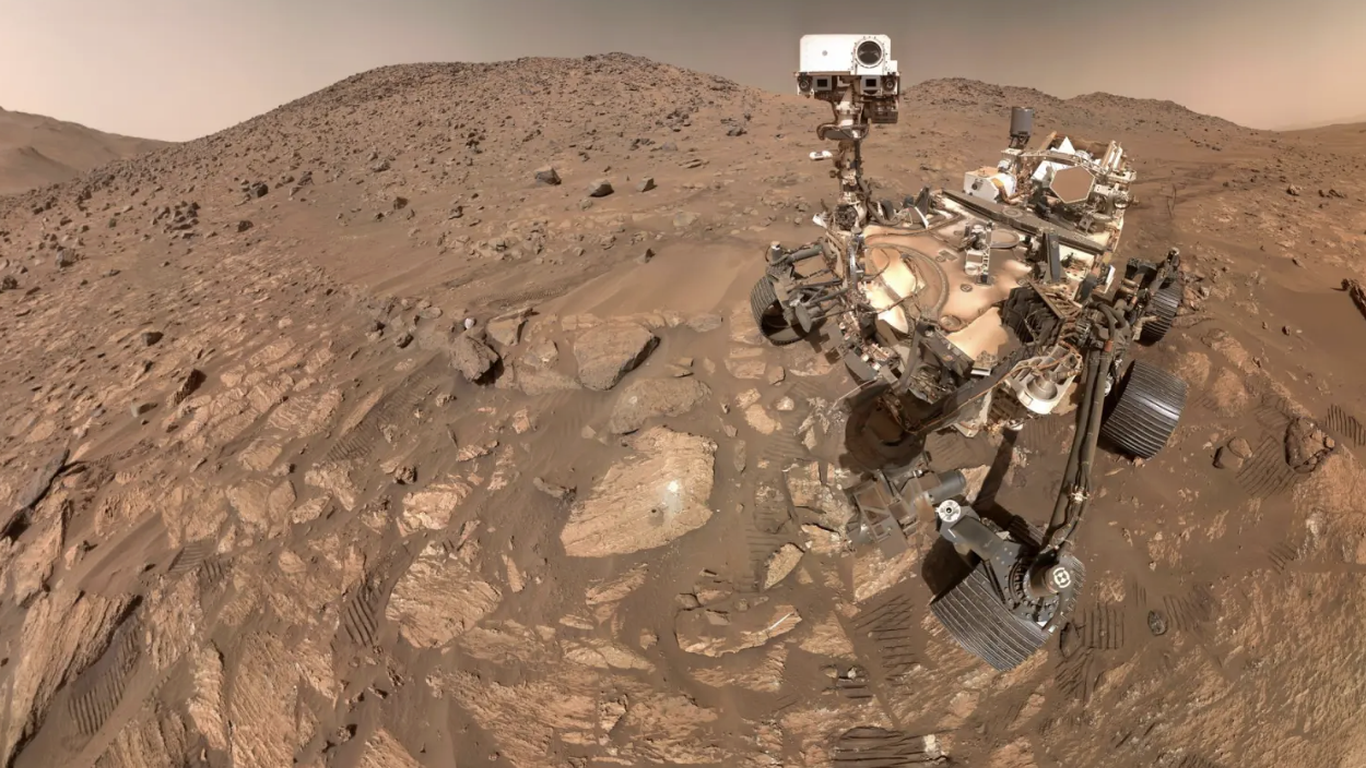
The National Aeronautics and Space Administration (NASA) is the United States’ premier civil space agency, responsible for the nation’s civilian space program, aeronautics research, and aerospace technology development[1][2]. Headquartered in Washington, D.C., NASA operates ten major field centers across the country and employs nearly 18,000 civil servants, supported by an extensive network of contractors, academic institutions, and international partners[1][2]. Since its establishment in 1958, NASA has revolutionized humanity’s understanding of the cosmos, pioneered technological advancements, and shaped global space policy. ## History and Key Achievements NASA was created in response to the Soviet Union’s 1957 launch of Sputnik, with the goal of ensuring U.S. leadership in space exploration. It succeeded the National Advisory Committee for Aeronautics (NACA) and quickly became the driving force behind iconic programs such as Project Mercury (America’s first human spaceflight program), Project Gemini (which developed techniques for space rendezvous and extravehicular activity), and the Apollo program, which landed astronauts on the Moon between 1969 and 1972[1]. The agency also developed the Space Shuttle, the world’s first reusable spacecraft, and built the International Space Station (ISS), a symbol of international collaboration and scientific research[1][5]. NASA’s robotic exploration has been equally transformative, with over 1,000 uncrewed missions investigating Earth, the Moon, Mars, and beyond. The agency’s fleet of observatories—including the Hubble Space Telescope and the James Webb Space Telescope—has provided unprecedented views of the universe, from the birth of stars to the detection of exoplanets[1]. The Perseverance rover is currently searching for signs of ancient life on Mars, while New Horizons explored Pluto and the outer solar system[1]. ## Current Status and Notable Aspects Today, NASA is advancing the Artemis program, aiming to return human
Perplexity
Perplexity AI is a pioneering software company founded in 2022 by Aravind Srinivas, Denis Yarats, Johnny Ho, and Andy Konwinski. It specializes in developing a sophisticated web search engine that leverages large language models to provide direct, context-aware answers to user queries. This innovative approach positions Perplexity as an "answer engine," distinct from traditional search engines by focusing on conversational responses supported by real-time web data and source citations[1][4]. **History and Key Achievements:** Perplexity has quickly gained recognition for its cutting-edge technology, integrating multiple large language models, including GPT-4 and proprietary models. This allows users to select the best model for their needs, enhancing research quality and scope[3]. The company has made significant strides in offering real-time coverage for live events, such as sports and elections, by integrating data feeds and structured information[5]. **Current Status:** As of July 2025, Perplexity AI was valued at $18 billion, reflecting its rapid growth and potential in the AI sector[1]. Despite legal challenges related to content use and copyright infringement, Perplexity continues to innovate, expanding its capabilities through strategic acquisitions, such as the integration of Carbon to connect AI systems with external data sources[5]. **Notable Aspects:** Perplexity's platform is notable for its hybrid approach, combining the strengths of AI chatbots and search engines. It offers a personalized search experience with features like document importation and image generation, making it a valuable tool for research and content creation[5]. However, the company faces increasing competition from tech giants like Google and Microsoft, which are also developing AI-powered search tools[4]. Despite these challenges, Perplexity remains a leader in the AI search space, continuously evolving to meet user needs and stay ahead in the global AI race[3].