U.S. Covert Operation Captures Maduro Sparks Global Backlash
#maduro #venezuela #covert_operation #international_relations
U.S. Covert Operation Captures Maduro
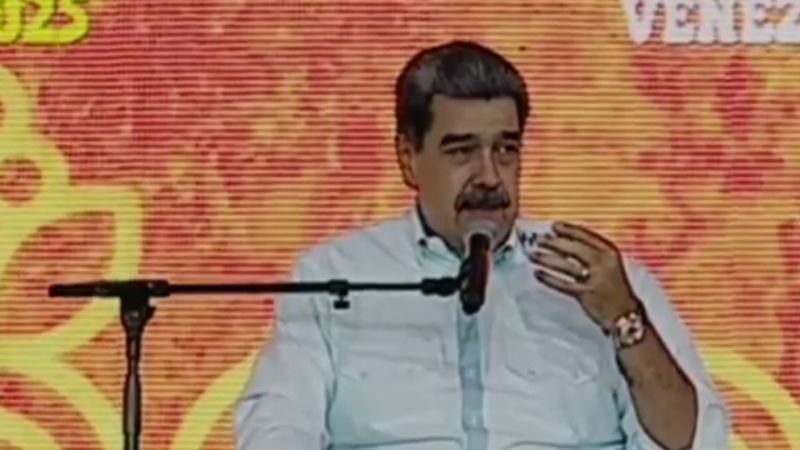
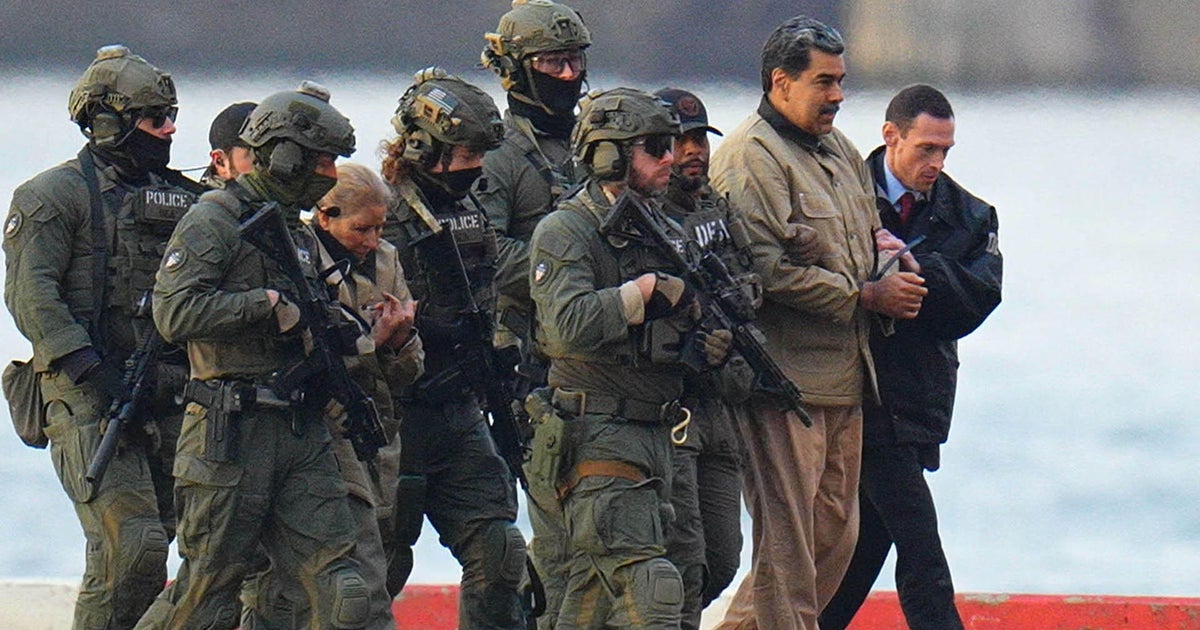
U.S. officials have unveiled striking details of a meticulously planned covert operation that seized Venezuelan President Nicolás Maduro, catching him utterly off guard after months of intelligence gathering. Launched on January 3, 2026, the mission involved U.S. forces debilitating air defenses in Caracas, followed by a swift raid that extracted Maduro and his wife, Cilia Flores, framing it as a law enforcement action against long-standing narco-terrorism indictments.[1][2][6]
Execution and Global Backlash
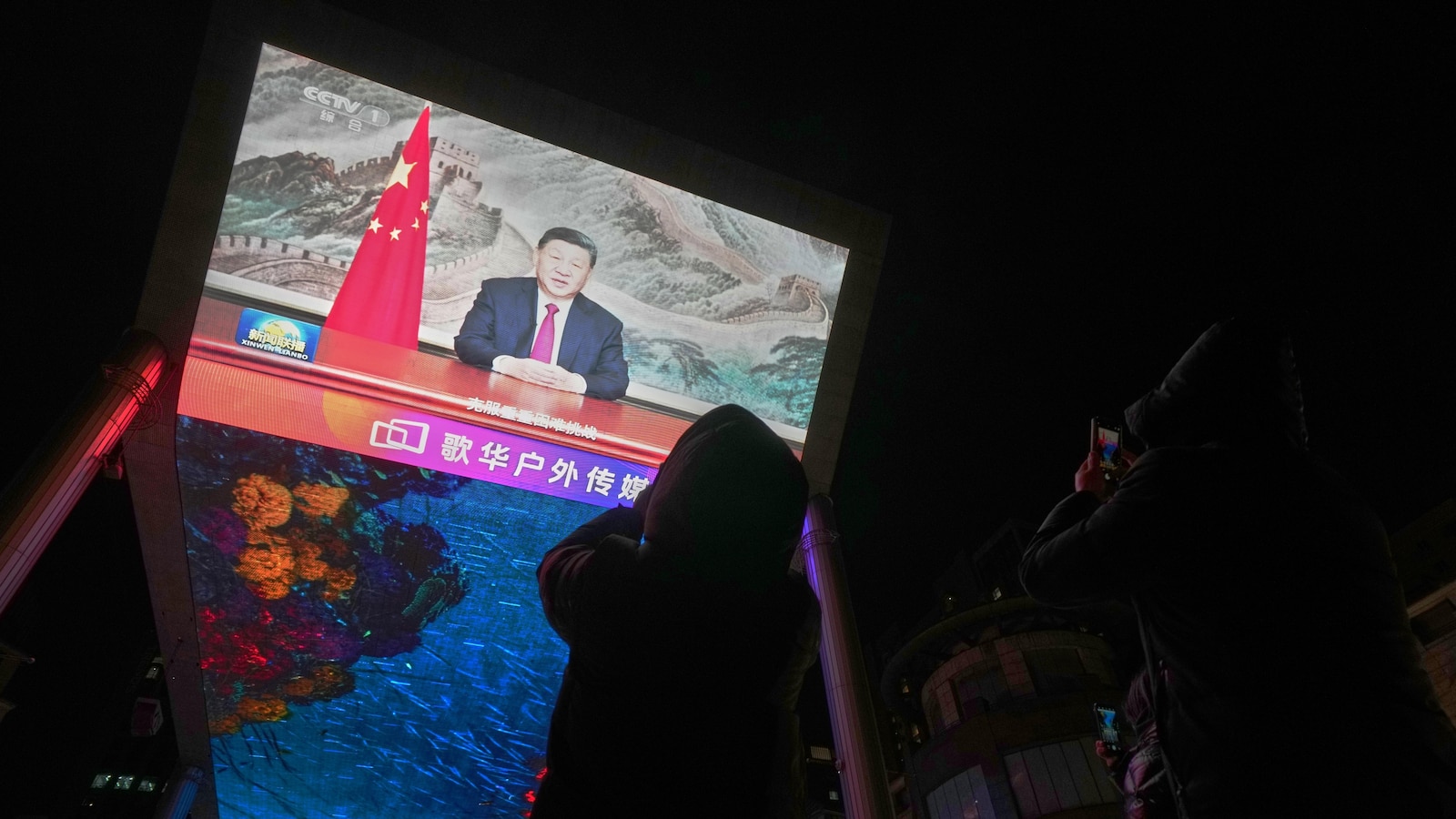
Delta Force teams, accompanied by DEA agents, executed the strike with precision, minimizing broader conflict while justifying it under presidential powers for targeted accountability. The operation killed at least 40, including Cuban personnel, sparking UN Security Council divisions—Russia and China decried it as aggression violating sovereignty, while U.S. envoys emphasized lawful indictments for drug trafficking and corruption.[1][4][5] Heightened security now grips Washington amid threats.[2]
Implications for Venezuela and Beyond
Maduro faces U.S. court in New York on charges like cocaine importation conspiracy, potentially destabilizing Venezuela's criminal networks and oil sector. With Vice President Delcy Rodríguez acting president under U.S. oil blockade pressure, risks of violence, piracy, and power vacuums loom, testing international norms and U.S. influence in the region.[3][4][6]
About the People Mentioned
Nicolás Maduro
Nicolás Maduro Moros, born on November 23, 1962, in Caracas, Venezuela, is a Venezuelan politician who has served as the president of Venezuela since April 2013. He rose to power following the death of long-time president Hugo Chávez, initially becoming interim president and then winning a special election later that year. Before his presidency, Maduro was a bus driver and union leader, gaining experience as a labor organizer, and later held key political roles including speaker of the National Assembly and minister of foreign affairs under Chávez[1][2]. Maduro is a prominent figure of *chavismo*, the political ideology established by Chávez, and has been the leader of the United Socialist Party of Venezuela (PSUV). His administration has been marked by severe economic challenges, including hyperinflation, shortages of basic goods, and a collapse in public services, which have contributed to widespread social unrest and protests. Critics accuse his government of authoritarianism, human rights abuses, and corruption, while Maduro and his supporters attribute Venezuela's crises largely to international sanctions and external interference[1][2][3]. Internationally, Maduro's legitimacy has been contested, with numerous countries and organizations refusing to recognize his presidency following disputed elections in 2018 and 2024. His government is known for tight control over the economy and media, with reports of repression against opposition parties and independent press. In recent years, allegations of corruption involving Maduro's family and close associates have surfaced, including high-profile criminal convictions related to drug trafficking schemes linked to his inner circle[3]. Despite ongoing political isolation and economic hardship, Nicolás Maduro remains in power as of late 2025, maintaining his position through the support of Venezuela’s military and loyalist institutions, continuing to assert his leadership amid persistent domestic and international challenges[1][2][3][4].
About the Organizations Mentioned
Delta Force
**Delta Force**, officially the **1st Special Forces Operational Detachment-Delta (1st SFOD-D)**, is the U.S. Army's elite Tier 1 special operations unit under Joint Special Operations Command (JSOC), specializing in counterterrorism, hostage rescue, direct action raids, and special reconnaissance against high-value targets.[1][2][3] Founded in 1977 at Fort Bragg (now Fort Liberty), North Carolina, Delta Force emerged from post-1970s terrorist threats, inspired by the British SAS to counter non-state actors with agile, lethal teams.[5][6] Its existence remains unconfirmed by the U.S. government, earning nicknames like **Combat Applications Group (CAG)**, **Task Force Green**, "The Unit," or Army Compartmented Elements (ACE).[2][3][4] Operators, drawn mainly from the 75th Ranger Regiment and Special Forces (Green Berets), undergo grueling selection; only 300-400 of roughly 1,000-2,000 personnel are combat "operators" excelling in close-quarters battle, sniping, explosives, and vehicle takedowns.[1][4][5] Structured into assault squadrons (A-D) with direct action and recon/sniper troops, plus aviation (E), clandestine ops (G), combat support, signals, and a cyber squadron (CNOS) for digital warfare—Delta adapts to any environment, from aircraft to urban chaos.[1][3][4][6][7] Key achievements include the 1993 Battle of Mogadishu (inspiring *Black Hawk Down*), capturing drug lord El Chapo in Operation Black Swan, and killing ISIS leader Abu Bakr al-Baghdadi in Operation Kayla Mueller (2019), often partnering with CIA and DEVGRU.[3][5] Today, Delta executes the military's most classified, president-directed missions, blending physical prowess with cyber expertise in an era o
DEA
It appears there might be confusion regarding the organization "DEA." However, based on the search results, it seems you might be referring to the "Digital Entertainment Group" (DEG), which is a prominent organization in the entertainment technology sector. Here's a summary of DEG, as there is no information available about an organization named "DEA" in the context provided: ## About the Digital Entertainment Group (DEG) The **Digital Entertainment Group (DEG)** is an organization that advocates and promotes entertainment platforms, products, and distribution channels supporting the movie, television, audio, consumer electronics, and IT industries. DEG's primary objectives include connecting key industry players, providing insights on emerging trends, supporting marketing initiatives, and implementing standards for the digital supply chain. ## History and Objectives DEG was not specifically mentioned in terms of its founding year in the search results. However, it has been involved in promoting digital entertainment formats and distribution models for several years. The organization focuses on driving revenue for its members by facilitating collaboration between content providers, device manufacturers, and service providers. ## Key Achievements - **Industry Collaboration**: DEG fosters alliances like the Direct-to-Consumer Alliance (D2CA) and the Advanced Content Delivery Alliance (ACDA), which aim to enhance content delivery and consumer experiences. - **Emerging Trends**: It provides members with cutting-edge knowledge on emerging trends and technologies to prepare for industry growth. ## Current Status DEG continues to play a significant role in the entertainment industry by promoting new distribution models and formats. It has international sister organizations, such as DEG Europe, DEG Nordic, and DEG Japan, which help maintain global consistency in messaging. ## Notable Aspects - **Leadership**: DEG has a diverse leadership team from major companies like Google, NBCUniversal, and Paramount Pictures. - **Global Reach**: With its international sister organizations, DEG maintains a strong global presence in the digital entertainment sector. Overall,
UN Security Council
The **United Nations Security Council (UNSC)** is the primary UN organ responsible for maintaining international peace and security, established in 1945 following World War II to prevent conflicts like those that led to the war[1][3][5]. It consists of **15 members**: five permanent members (China, France, Russia, the United Kingdom, and the United States) with veto power, and ten non-permanent members elected for two-year terms with geographic representation[2][4][5]. The council meets continuously to assess global threats, mediate conflicts, impose sanctions, authorize peacekeeping missions, and, if necessary, approve military action to uphold peace[1][4][5]. Historically, the UNSC was designed to address the failures of the League of Nations by having a strong executive body with binding authority over member states. Its early years were marked by Cold War paralysis, but it authorized significant interventions such as in the Korean War, Congo Crisis, and multiple peacekeeping missions worldwide, including in Cyprus, Namibia, and Bosnia[5][7]. Since the Cold War, its role expanded to addressing evolving security challenges like terrorism, civil wars, humanitarian crises, and nuclear proliferation. The UNSC has overseen over seventy peacekeeping operations and facilitated conflict resolution, refugee protection, and election monitoring[3][5]. The council's **veto power** vested in the permanent members is a notable and often controversial feature; it allows any one permanent member to block substantive resolutions, which has led to criticism of inefficiency and calls for reform, especially given its limited representation and challenges responding to recent crises such as the Syrian civil war, the Russia-Ukraine conflict, and tensions in Gaza[2][4]. Despite its limitations, the UNSC remains the only international body empowered to issue binding resolutions on all UN members, making it a central actor in global governance, peacekeeping, and security policy. Its ongoing debates about reform reflect tensions between maintaining legitimacy, power balance, and adapting