Pope Warns: Rising Zeal for War Threatens Human Rights

Pope raises alarm over human rights and a spreading zeal for war
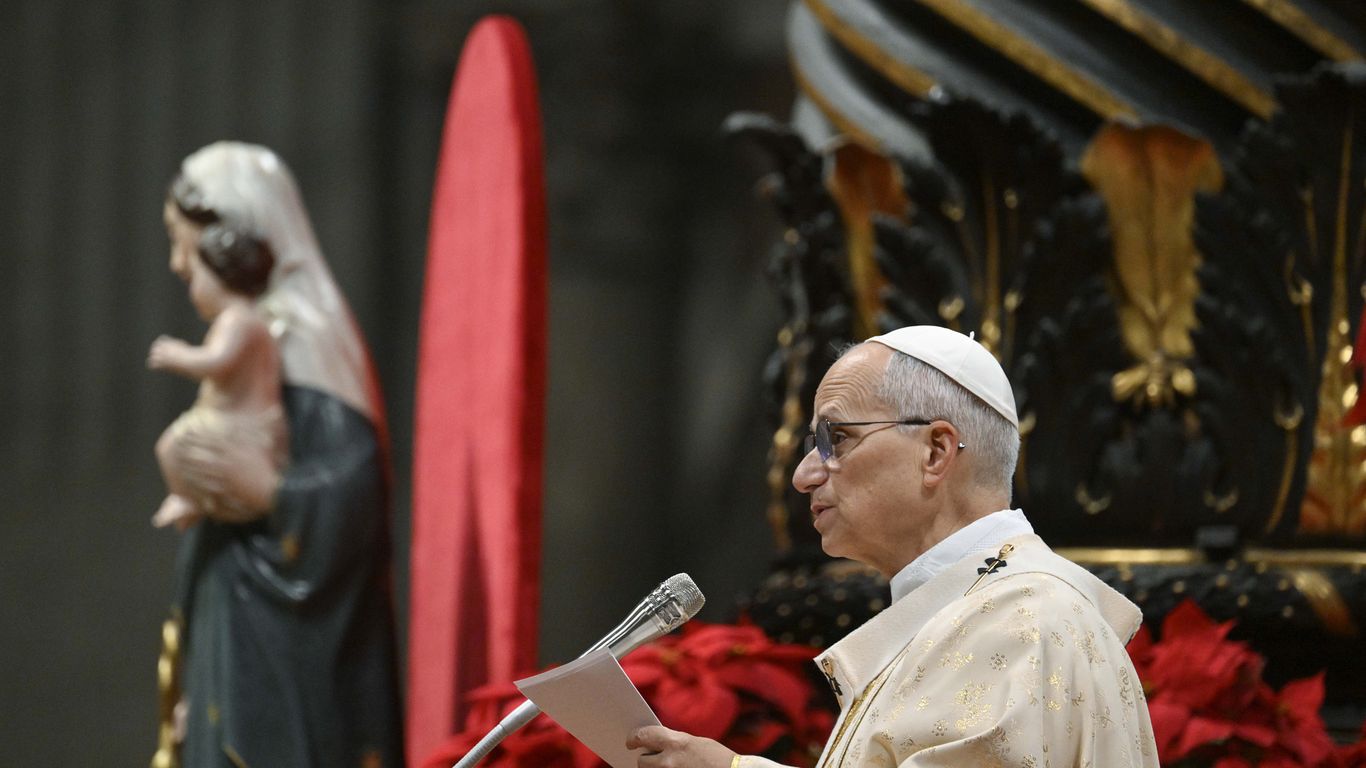
Pope Leo XIV’s recent address to the Diplomatic Corps spotlighted a sobering trend: as global tensions rise, a renewed zeal for war is overshadowing the language of dialogue and compromise. He warned that when diplomacy is reduced to raw power calculations, civilians pay the highest price through shattered communities, crushed freedoms, and forgotten victims. This message resonates far beyond the Vatican, touching every region where conflict is eroding trust in international norms.
Human rights under pressure in a polarized world
In his remarks, the Pope stressed that human rights cannot be optional tools, deployed when convenient and dismissed when strategic interests shift. He linked the destruction of hospitals, schools, and infrastructure to a broader contempt for human dignity. From displaced families to persecuted believers, the erosion of rights reveals a deeper spiritual crisis. Leo XIV urged leaders to recover patient diplomacy, strengthen humanitarian law, and cultivate cultures that prize listening over domination.
About the People Mentioned
Pope Leo XIV
Pope Leo XIV, born Robert Francis Prevost on September 14, 1955, in the Chicago area, is the 267th Pope of the Catholic Church. He was elected on May 8, 2025, marking a significant moment as the first American and first Peruvian pope. His background is deeply rooted in the Order of St. Augustine, which he joined after graduating from Villanova University in 1977. He professed his solemn vows in 1981 and was ordained a priest in 1982. Pope Leo XIV holds a licentiate and doctorate in canon law from the Pontifical University of St. Thomas Aquinas in Rome. He has extensive experience in missionary work, particularly in Peru, where he served in various roles, including as the judicial vicar of the Archdiocese of Trujillo and as a professor of canon, patristic, and moral law at the San Carlos e San Marcelo Major Seminary. His leadership roles expanded when he was elected to oversee his order's province and later the worldwide Order of St. Augustine for 12 years. In 2014, Pope Francis appointed him to lead the Diocese of Chiclayo, Peru, a position he held for nine years. In 2023, he was created a cardinal by Pope Francis and appointed Prefect of the Dicastery for Bishops. This role involved overseeing the appointments of bishops worldwide. Pope Leo XIV's current relevance lies in his unique blend of American and Peruvian heritage, which brings a global perspective to the papacy. His election has been seen as a milestone in the Church's history, marking a new era of leadership shaped by his missionary experience and theological background.
About the Organizations Mentioned
Vatican
## Overview The **Vatican**—officially the Holy See and the Vatican City State—is the spiritual and administrative center of the Roman Catholic Church, serving over 1.4 billion Catholics worldwide as of June 2023[4]. It is both a religious institution and a sovereign city-state, recognized internationally for its unique blend of spiritual leadership and diplomatic influence[5]. The Vatican is governed by the Pope, currently Pope Leo XIV, who holds ultimate authority over the Church and the city-state[6]. ## What the Organization Does The Vatican’s primary mission is to guide the Catholic Church in matters of faith, morals, and worship. It oversees a global network of dioceses, parishes, and religious orders, provides doctrinal guidance, and administers sacraments. The **Roman Curia**, the central administrative body, is organized into dicasteries (ministries) that handle issues ranging from doctrine and canon law to social justice, finance, and communications[1]. The Vatican also engages in extensive diplomatic activity, maintaining relations with over 180 countries and playing a role in international peace and humanitarian efforts[5]. ## History The Vatican’s roots trace back to the early Christian community in Rome. The Papal States once controlled much of central Italy, but these were dissolved in 1870. The modern Vatican City State was established by the Lateran Treaty in 1929, granting the Holy See sovereignty over a small enclave in Rome. This agreement resolved the "Roman Question" and recognized the Pope’s independence from Italian political authority. ## Key Achievements - **Global Reach:** The Catholic Church is the world’s largest Christian denomination, with a presence in nearly every country[4]. - **Diplomatic Influence:** The Vatican has been a neutral mediator in international conflicts and a vocal advocate for human rights, peace, and social justice[5]. - **Administrative Reforms:** Recent reforms, such as those enacted by Pope Francis
Diplomatic Corps
The **diplomatic corps** is not a single organization but the collective body of **foreign diplomats accredited to a particular country or international body**, typically based in the host nation’s capital.[2][7] It includes ambassadors, high commissioners, papal nuncios, and other heads of mission, along with senior diplomatic staff representing their governments abroad.[2][5] Historically, the concept evolved as resident embassies became standard in early modern Europe, turning scattered envoys into a semi-organized professional community at key courts and later in national capitals.[3][7] Over time, this community gained a recognizable identity and practices, including shared protocol, internal meetings, and a designated **doyen (dean)**—usually the longest-serving head of mission—who informally represents the entire corps on matters of common concern.[2][3] The diplomatic corps plays several critical roles for states and international business: - It **manages political relationships**, conveying positions, negotiating agreements, and monitoring developments in the host country.[2][3] - It acts as a **lobby for diplomatic privileges and immunities**, helping ensure consistent application of the Vienna Convention, including issues like taxation, fees, and legal protections that affect foreign missions and staff.[2][3] - It supports **protocol and state events**, assembling for inaugurations, national days, state openings of parliament, and royal ceremonies.[2][4] Host governments often maintain specialized offices to interface with the corps, handling protocol, precedence, accreditation, and logistics such as airport clearance and communications.[4][6] In many countries—especially in Africa—senior representatives of major international organizations (UN agencies, EU, ICRC, African Union bodies) are granted diplomatic corps status and enjoy similar privileges, underscoring its importance to multilateral governance and development finance.[2] Notable modern aspects include **digital diplomacy**, security coordination, and growing interaction with **