Belarus Frees 123 Political Prisoners as US Lifts Potash Sanctions

Belarus Frees 123 Political Prisoners in US Sanctions Deal
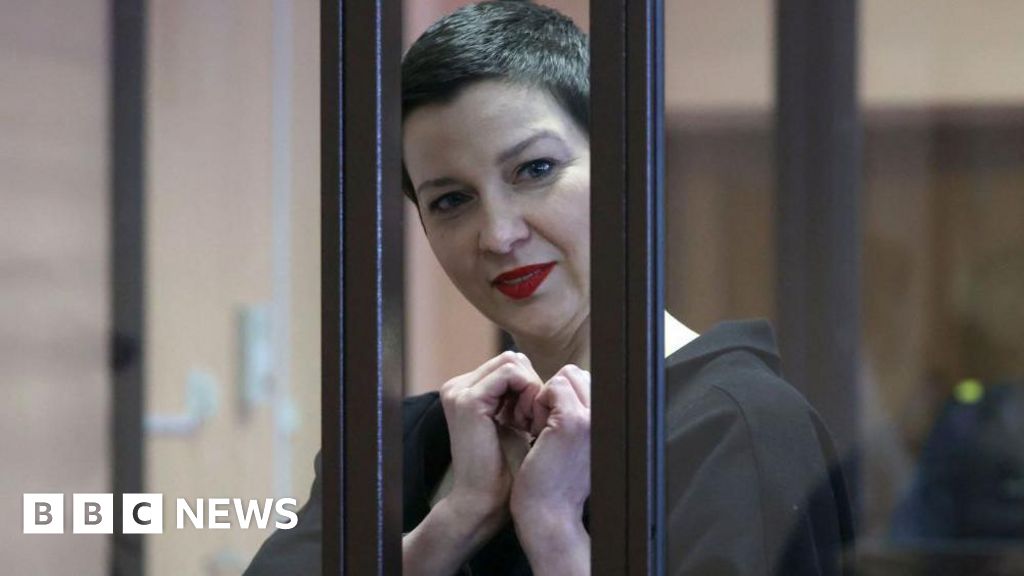
Belarus has released 123 political prisoners, including Nobel Peace Prize winner Ales Bialiatski and opposition leader Maria Kolesnikova, following intense negotiations with the United States. This landmark move comes as Washington lifts long-standing sanctions on Belarusian potash exports, signaling a potential thaw in relations strained by years of repression and disputed elections[1][2].
Key Figures and Negotiations
Ales Bialiatski, founder of the human rights group Vyasna, and Kolesnikova, a key figure in 2020 protests against President Alexander Lukashenko, were among those freed after over three years in detention. US Special Envoy John Coale met Lukashenko in Minsk, securing the deal that eases economic pressures on Belarus while addressing demands for prisoner releases. Many freed activists have reached safety in Lithuania and Ukraine[1][2].
Implications for Belarus and Beyond
This exchange marks a shift from Biden-era isolation, recognizing Lukashenko's role amid broader geopolitical changes. While potash sanctions lift opens trade doors, concerns linger over election integrity and ongoing detentions. Rights advocates hail the releases as a victory for pressure tactics, yet warn true reform demands more[1][2].
About the Organizations Mentioned
Vyasna
**Human Rights Center Viasna** is Belarus's leading non-governmental organization dedicated to defending civil and political rights amid authoritarian repression.[1][2][5] Founded in 1996 by Ales Bialiatski during mass democratic protests against President Alexander Lukashenko's regime, it began as "Viasna-96" to aid arrested demonstrators and their families, officially registering in 1999 with a Minsk headquarters and regional branches across major cities.[1][4][5] Viasna monitors elections alongside partners like the Belarusian Helsinki Committee, documents human rights abuses—including torture, ill-treatment, political persecution, and the death penalty—and advocates for freedoms of assembly, expression, media, and ethnic minorities.[1][2][5] It maintains a critical list of political prisoners, tallying 1,413 as of February 2024 and over 3,940 recognized in the five years post-2020 protests.[3][7] The group also supports victims' families and pushes for international human rights compliance.[5] Key achievements include becoming Belarus's foremost civil society voice, earning global accolades like the Right Livelihood Award for Bialiatski and Viasna's "resolute struggle for democracy," and the 2020 Homo Homini Award for detained activists.[4][5] Despite reprisals—such as losing NGO status in 2003, repeated raids, and arrests—Viasna persists underground.[1][5] Currently, Viasna faces severe crackdowns: labeled an "extremist formation" in August 2023 (making participation criminal), with leader Bialiatski and members like Marfa Rabkova (15-year sentence) and others imprisoned on trumped-up charges of tax evasion, smuggling, and riot financing since 2020-2021 protests.[2][3][4][6] As of 2025 updates, it continues tracking repression, embodying defiance in a nation without legal human right