Quadrantid Peak Meets the 2026 Super Wolf Moon: A Night Sky Spectacle
#quadrantid #super_wolf_moon #meteor_shower #astronomy #stargazing
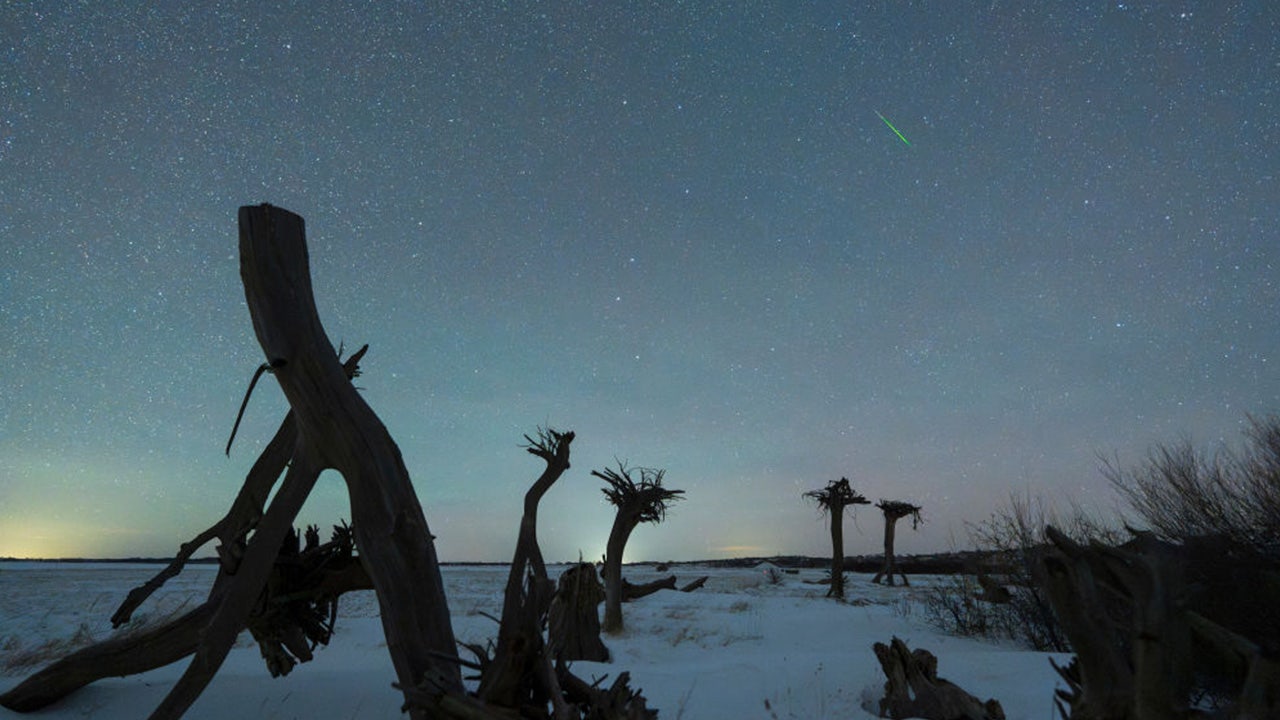
Look Up Tonight: Quadrantid Peak Meets First Sup-moon of 2026
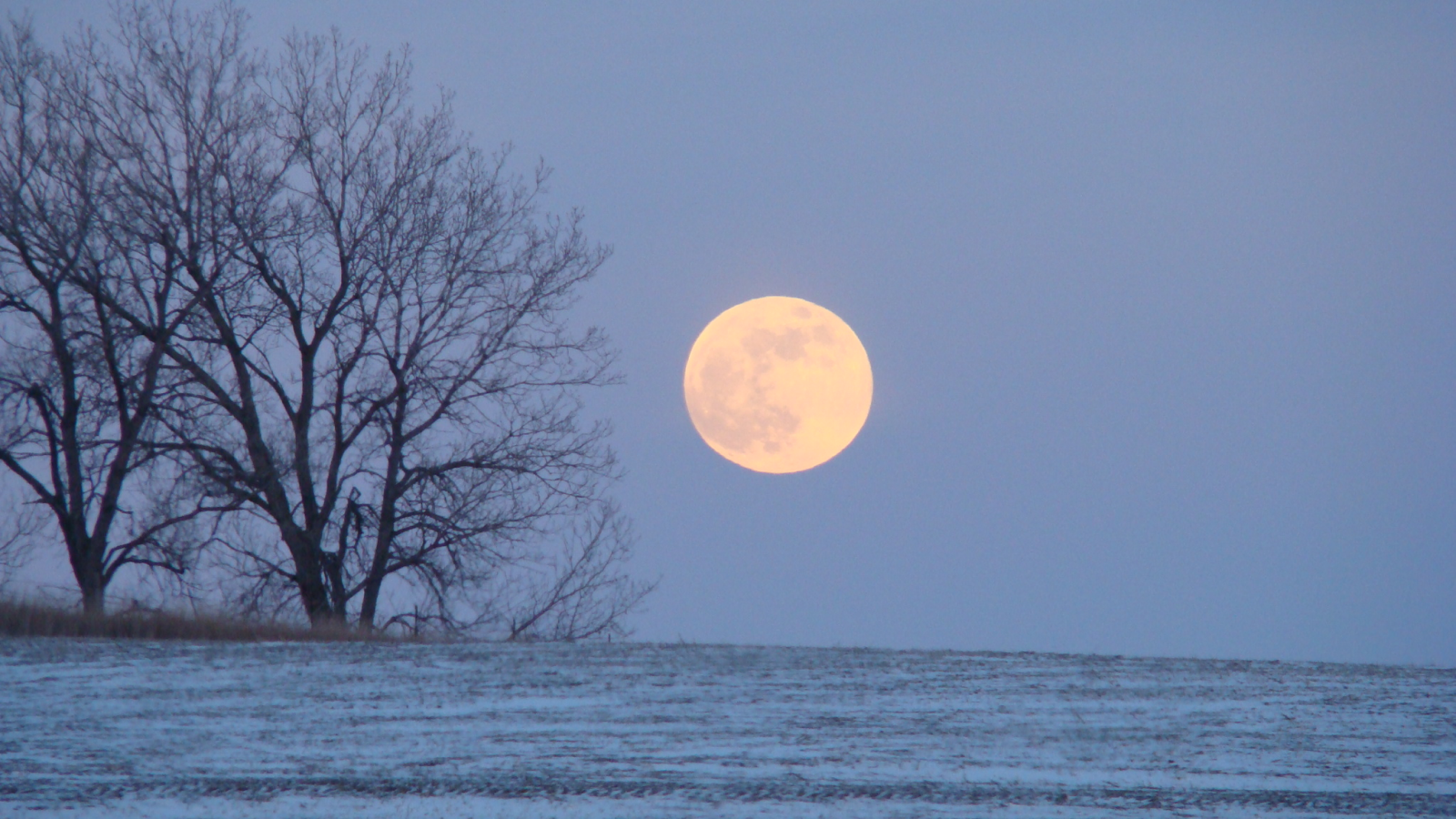
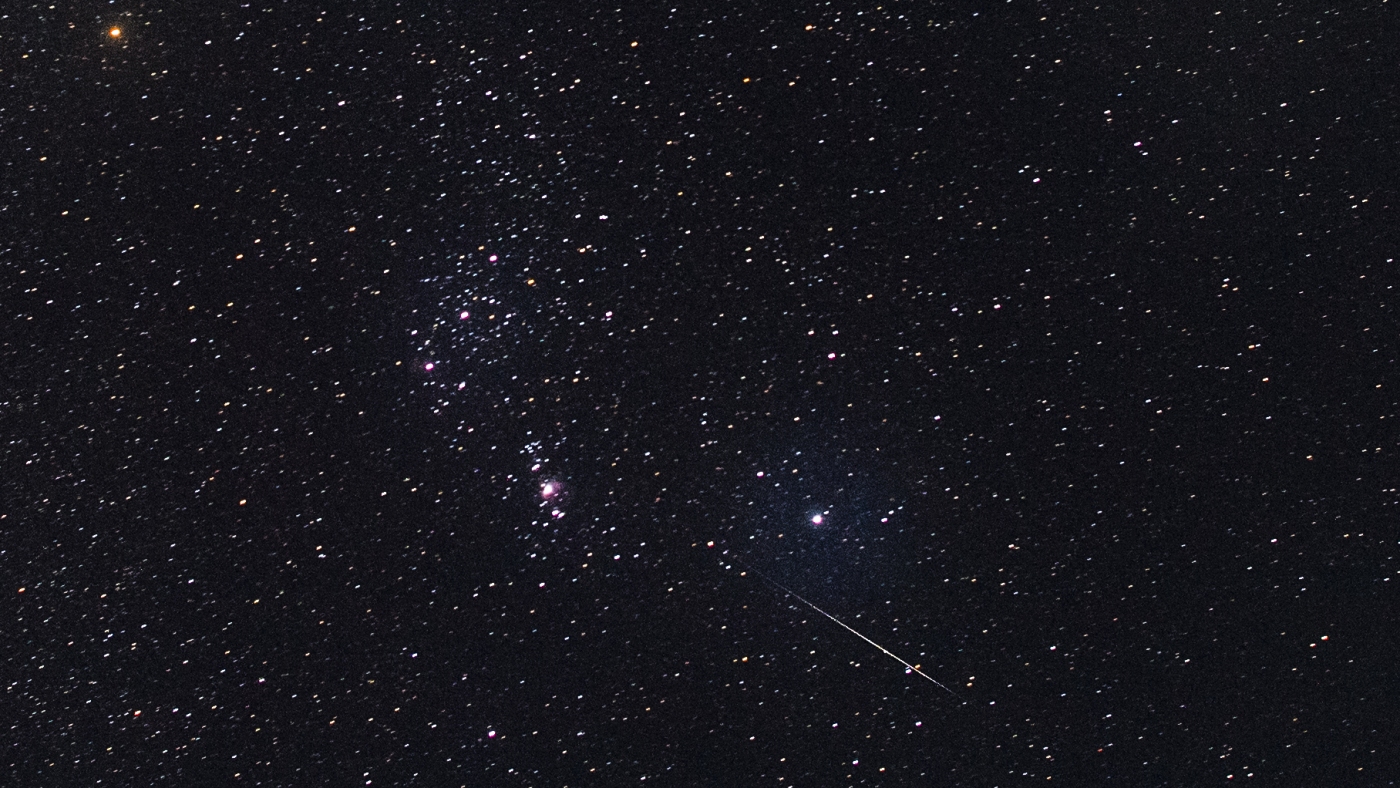
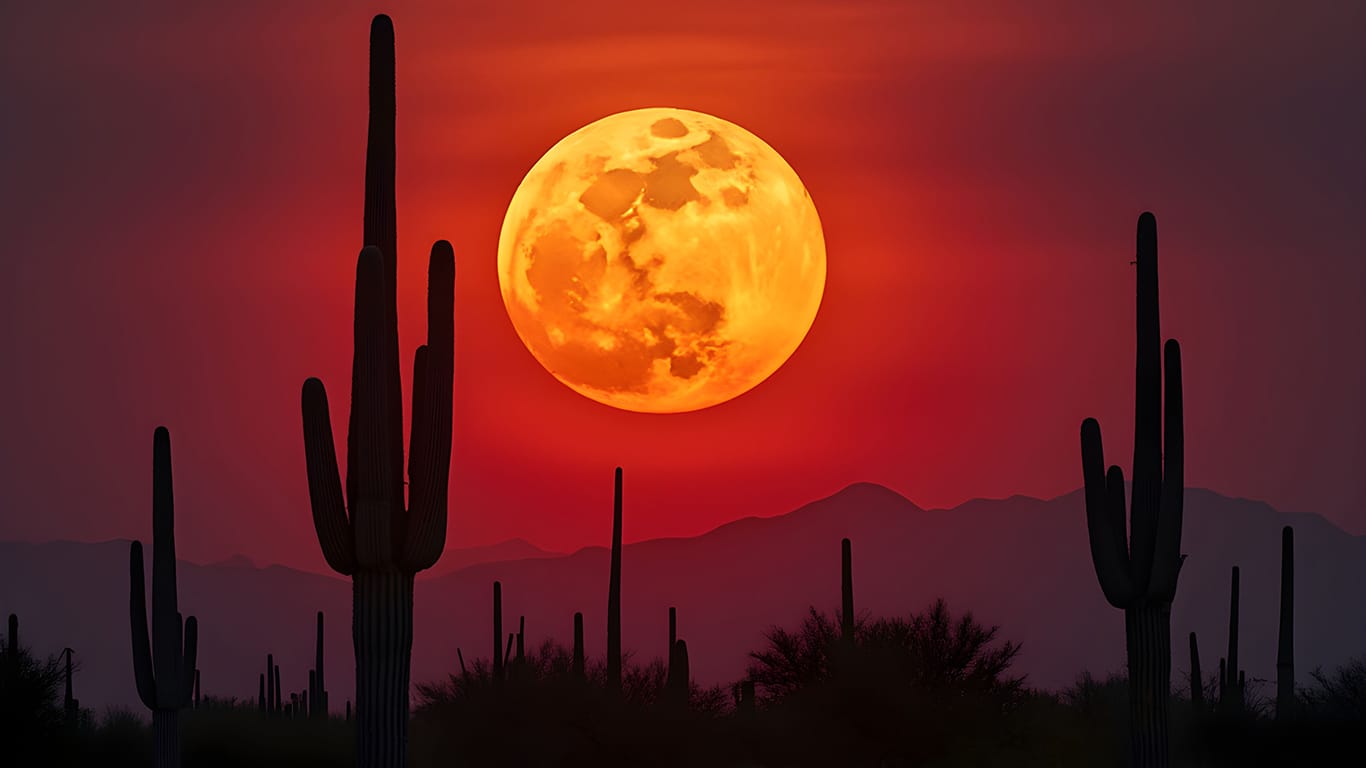
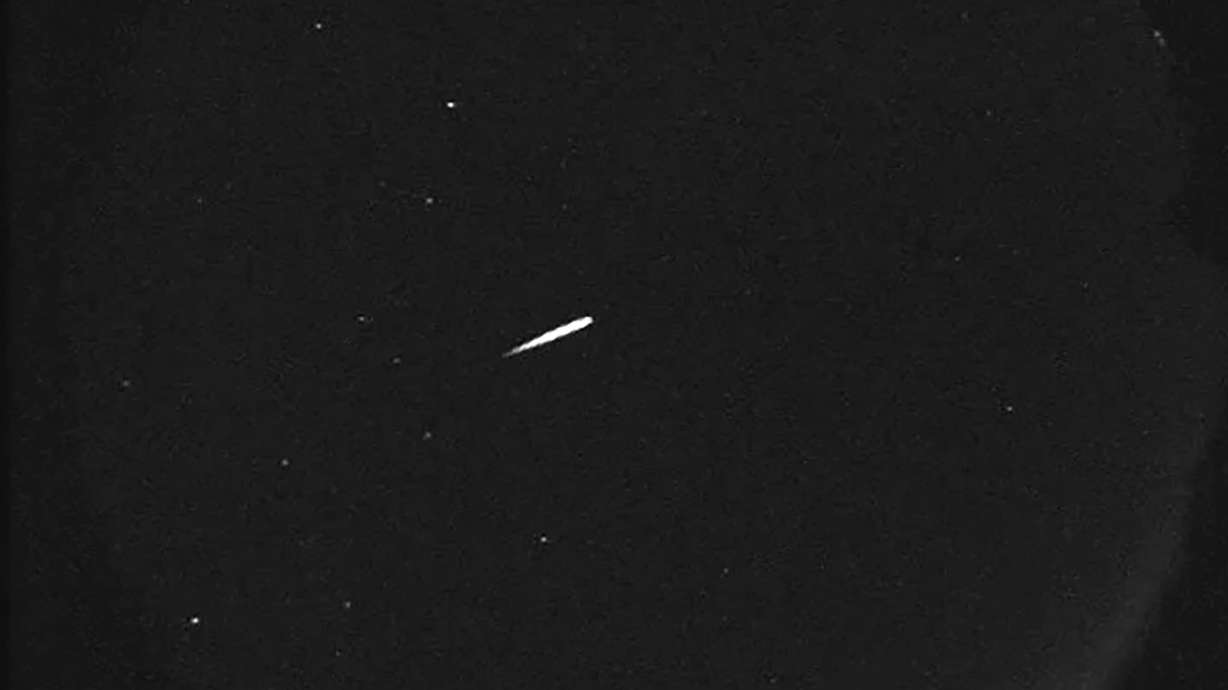
Stargazers, prepare for a celestial treat as the Quadrantid meteor shower reaches its zenith tonight, coinciding with the year's inaugural supermoon, dubbed the Super Wolf Moon. Peaking between January 3 and 4, this event promises up to 25 meteors per hour from dark sites, with potential fireballs lighting the sky despite the bright lunar glow.[1][2]
Prime Viewing Tips for Optimal Sights
Head to the Northern Hemisphere for the best views, where meteors radiate from near Ursa Major. Optimal watching begins after midnight when the radiant climbs higher—aim for 1-5 AM local time. Seek remote spots away from city lights; no telescope needed, just your eyes. The brief peak lasts mere hours, so time it right using tools like timeanddate.com for your location's azimuth and altitude.[1][2]
Why This Duo Captivates Astronomy Fans
The Super Wolf Moon amplifies the drama, appearing larger and brighter as it nears perigee, challenging faint meteors but enhancing the spectacle. Quadrantids rival Geminids in intensity, active from late December into mid-January. Bundle up against winter chill and share this rare sky dance—nature's fireworks won't disappoint.[1][3]