RBA Hikes Rates by 25 Basis Points, Michele Bullock Signals Higher-for-Longer
#australia #economy #interest_rates #inflation #monetary_policy

RBA Governor Bullock Addresses Interest Rate Hike
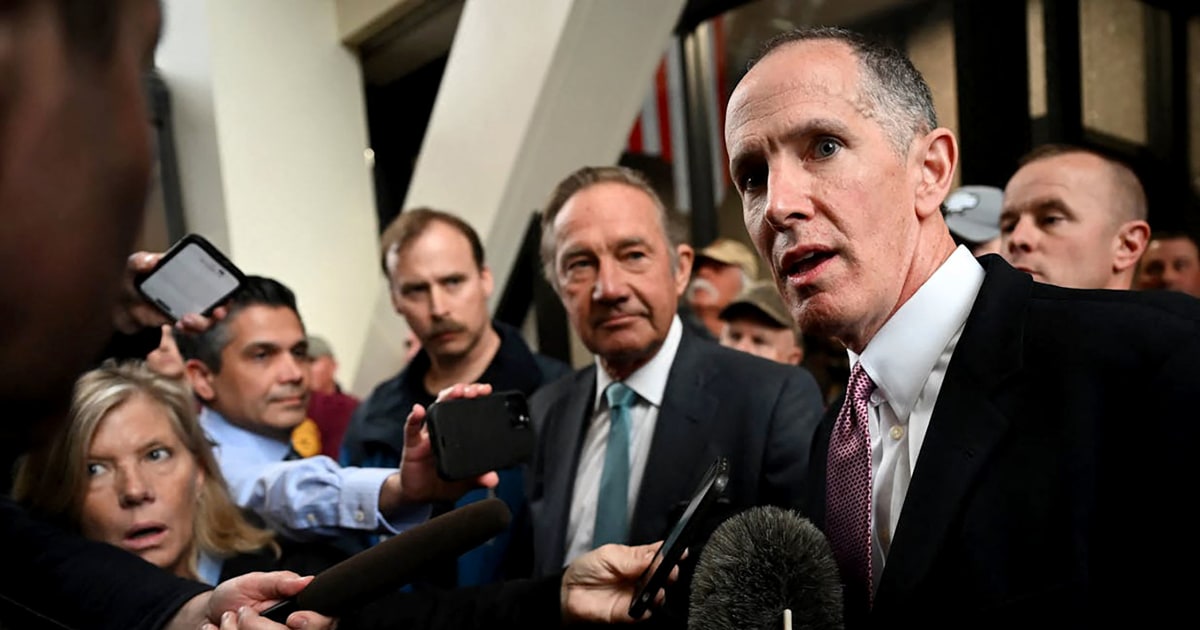
Reserve Bank of Australia Governor Michele Bullock recently fielded questions during the press conference following the Monetary Policy Board's decision to raise the cash rate target by 25 basis points to 3.85 percent. This unanimous move, announced on February 3, 2026, responds to inflation picking up in late 2025 despite earlier declines from 2022 peaks. Bullock emphasized greater capacity pressures, stronger private demand, and a tight labor market as key drivers keeping inflation above the 2-3 percent target.
Reasons Behind the Rate Increase
Bullock highlighted how recent data confirmed rising inflationary pressures, partly temporary but largely tied to robust economic activity and persistent services costs like rent and utilities. While global uncertainties linger, Australia's trading partners have shown unexpected growth, adding to domestic challenges. The Board judges monetary policy must remain restrictive to ensure price stability and full employment, with future decisions data-dependent.
Outlook and Implications for Borrowers
Governor Bullock signaled inflation may stay elevated, hinting at possible further hikes if trends persist, such as in May 2026. Major lenders, including the Big Four banks, have passed on the increase, raising variable mortgage rates. Borrowers face higher repayments but can explore refinancing or fixed options to manage costs amid this higher-for-longer environment.
About the Organizations Mentioned
Reserve Bank of Australia
The **Reserve Bank of Australia (RBA)** is the nation's central bank, established by the Reserve Bank Act 1959 with a mission to promote the economic prosperity and welfare of Australians through effective monetary policy, financial stability, and currency issuance[1][2][3]. Its core responsibilities include setting the cash rate—Australia's key interest rate—which influences economic activity, inflation, and employment levels. The RBA targets an inflation rate of 2-3% over the economic cycle to maintain price stability and sustainable growth[3][9]. The RBA governs monetary policy through its Monetary Policy Board, which meets monthly (except January) to adjust the cash rate based on economic conditions[5][8]. It also operates the Payments System Board, responsible for ensuring efficient, competitive, and secure payment systems, including support for the New Payments Platform facilitating real-time transactions[5]. The bank issues Australia’s banknotes via its subsidiary, Note Printing Australia, which also produces currency for other countries[3]. Beyond monetary policy, the RBA manages Australia's gold and foreign exchange reserves, acts as banker to the Australian government and some overseas central banks, and plays a key role in maintaining financial system stability by intervening in financial markets when necessary[1][2][5]. It represents Australia in global financial forums such as the G20, IMF, and Bank for International Settlements, reflecting its international financial stewardship[5]. Headquartered in Sydney, the RBA employs over 900 staff across Australia and international offices, emphasizing both operational capacity and governance independence from the government[3][5]. Its notable achievements include formalizing inflation targeting in the 1990s, which has been pivotal in anchoring inflation expectations and supporting economic resilience. In summary, the Reserve Bank of Australia blends monetary policy, financial system oversight, payment innovation, and currency management to sustain Australia's economic health and adapt to evolving global and technological challenges, making it a cornerstone institution in the business and technology landscape.
Monetary Policy Board
The **Monetary Policy Board (MPB)** of the Reserve Bank of Australia (RBA) serves as the primary decision-making body for crafting and implementing Australia's monetary policy, targeting low and stable inflation to foster sustainable economic growth and employment.[1] Comprising nine members—including the RBA Governor (Chair), Deputy Governor (Deputy Chair), Treasury Secretary, and six independent experts—the Board meets eight times annually, deliberating on domestic and global economic data, financial markets, and staff recommendations to adjust interest rates and policy stance.[1] Established in its modern form since the early 1990s, the MPB adopted an **inflation-targeting framework**, a shift that enhanced central bank credibility amid Australia's economic liberalization.[1] This independence from government interference—while members are government-appointed—prevents short-term political manipulation, aligning with global standards like those of the U.S. Federal Reserve's Federal Open Market Committee (FOMC).[1][3] Key achievements include navigating the Global Financial Crisis (GFC), where the Board's focus on financial stability mitigated severe disruptions, proving resilient systems enable money flows during downturns.[1] By influencing short-term interest rates, it has supported maximum employment and price stability, impacting consumer spending, business investments, and job creation nationwide.[3] Currently, the MPB balances inflation control with financial stability, considering broader risks like economic slowdowns.[1] Notable aspects include its dual mandate integration—beyond inflation, it eyes systemic resilience—and transparent processes, such as post-meeting communications akin to the FOMC's press conferences.[1][3] For business and tech leaders, the Board's rate decisions directly shape borrowing costs, investment viability, and innovation funding, underscoring its pivotal role in a dynamic economy. As central banks evolve with digital currencies and fintech, the MPB's adaptive toolkit remains crucial for Australia's prosperity.[1][6] (Word count: 298)