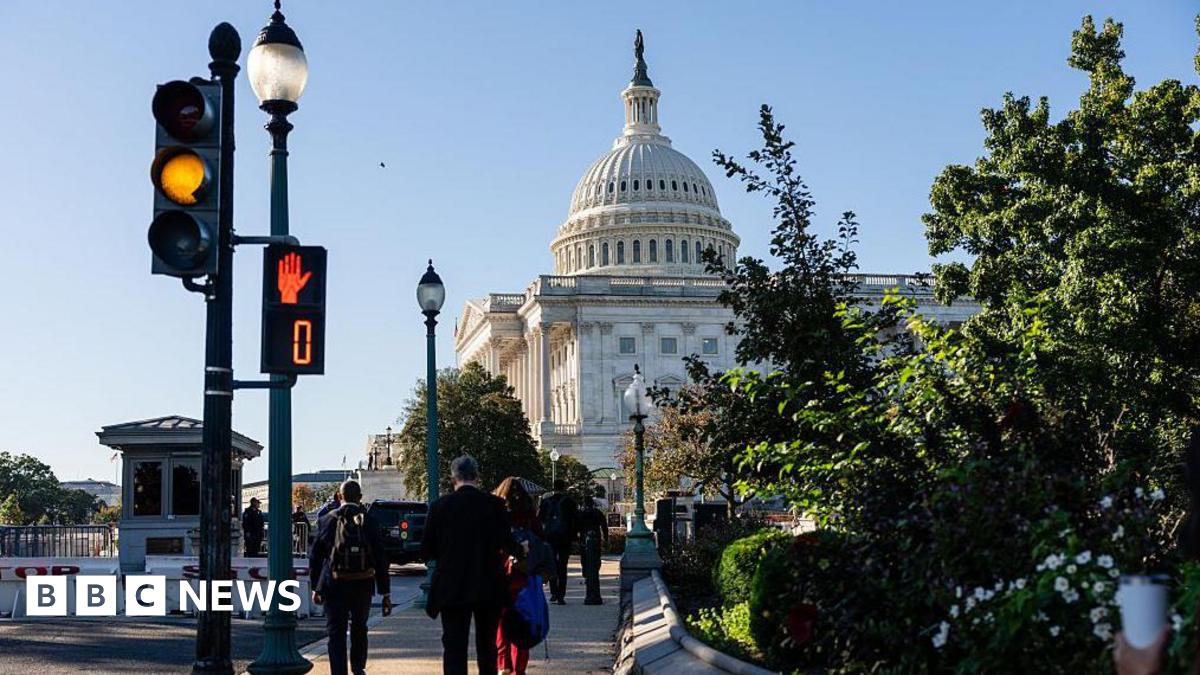
Rethinking US Engagement: Withdrawing from International Organizations
#politics #foreignpolicy #sovereignty #nationalsecurity #economy
Withdrawing from International Organizations
Withdrawing the United States from international organizations, conventions, and treaties viewed as contrary to national interests has become a defining foreign policy approach. Centered on sovereignty and fiscal responsibility, this strategy argues that some global bodies dilute American decision-making power while consuming significant taxpayer resources. Advocates claim selective disengagement allows the United States to prioritize security, economic competitiveness, and constitutional principles over expansive multilateral commitments that no longer deliver clear benefits.
Presidential Authority and Strategic Reviews
Guided by constitutional and statutory authority, the President can direct executive departments and agencies to reassess memberships, funding streams, and treaty obligations. Comprehensive reviews examine whether organizations advance American goals, respect national sovereignty, and operate efficiently. When they fall short, withdrawal is framed as a recalibration, not isolationism. Supporters emphasize redirecting funds toward defense, infrastructure, and innovation at home, while critics warn about reduced influence abroad.
Implications for U.S. Leadership
This policy reshapes how America engages the world.