RFK Jr. Urges US to Emulate Europe’s Vaccine Schedule: Risks and Costs
RFK Jr.'s Call to Emulate Europe's Vaccine Approach
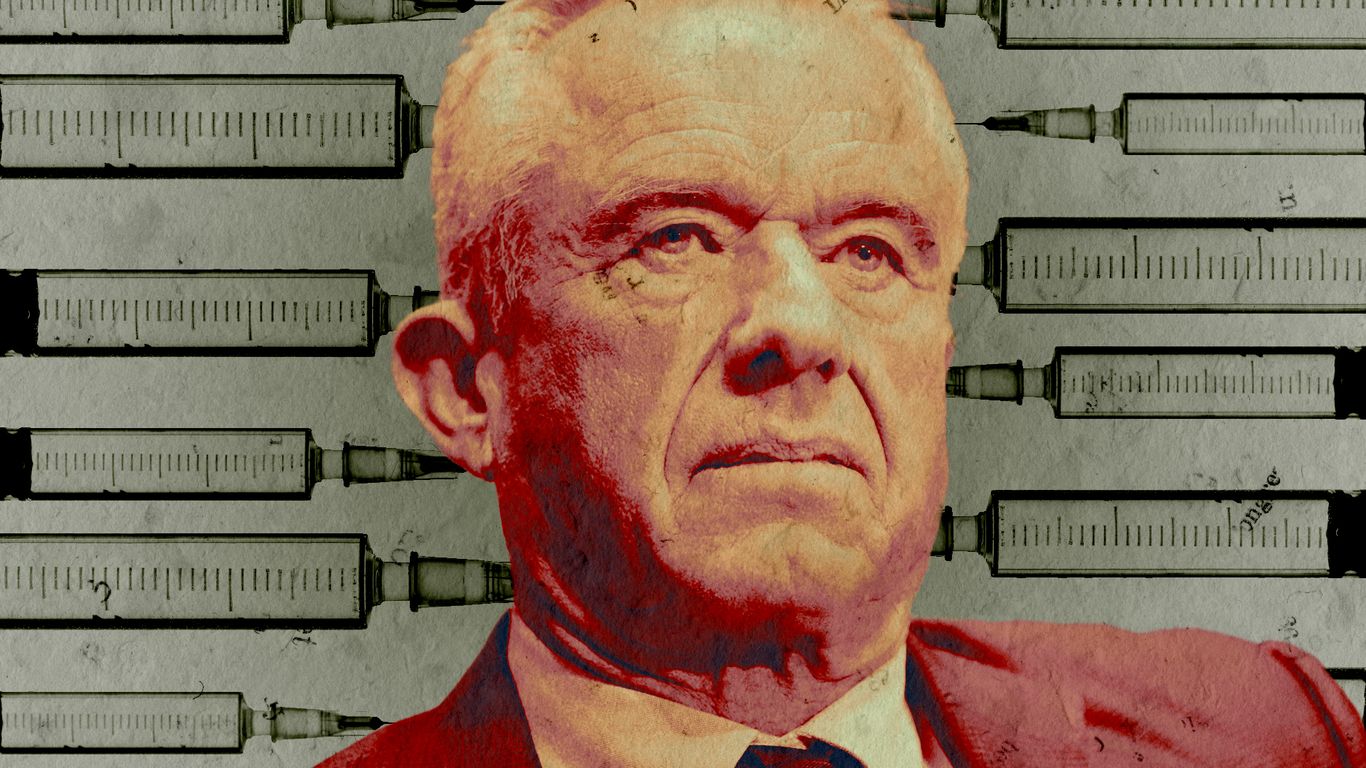
Robert F. Kennedy Jr. advocates for the U.S. to mirror Europe's vaccine strategies, potentially leading to fewer shots for American children. This idea draws from observations where European nations sometimes contain diseases more effectively or allow spread to control costs. However, global comparisons reveal striking consistency among wealthy countries, vaccinating against 12 to 15 serious pathogens by early childhood.[1]
Europe's Varied Schedules and U.S. Risks
Denmark offers the fewest vaccines, skipping rotavirus, influenza, hepatitis A and B, chickenpox, and RSV—diseases causing significant U.S. infant hospitalizations.[1] While Europe's choices reflect unique circumstances, adopting them could expose American kids to predictable health threats. Most high-income nations, including the UK, France, Germany, and Nordic peers, align closely with the U.S. schedule, prioritizing broader protection.[1]
Evidence Over Ideology in Vaccination Policy
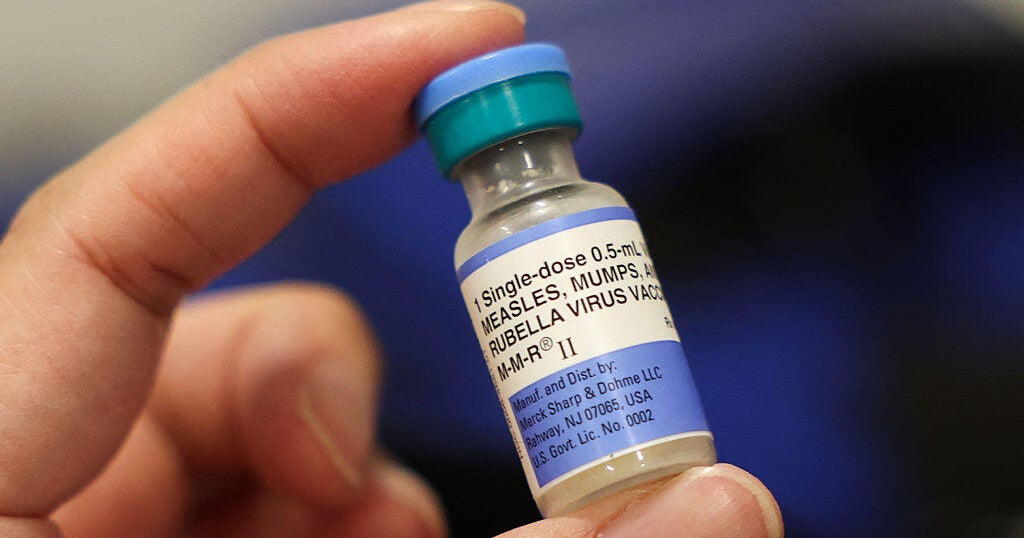
Industrialized countries agree on core protections, with data showing lives saved and hospitalizations prevented through immunizations.[1] Fewer vaccines might cut costs short-term but risk long-term outbreaks. Policy must prioritize evidence, ensuring U.S. children benefit from proven safeguards rather than untested reductions.[2]
About the People Mentioned
Robert F. Kennedy Jr.
Robert F. Kennedy Jr. is an American politician, environmental lawyer, and author, born on January 17, 1954, in Washington, D.C. He is the third of eleven children of Robert F. Kennedy, the U.S. Attorney General, and Ethel Skakel Kennedy. His family's political legacy includes his uncle, President John F. Kennedy. Kennedy's early life was marked by personal struggles, including drug addiction, which led to his arrest for heroin possession in 1983. However, he later redirected his life towards environmental advocacy and public service. Kennedy graduated from Harvard University in 1976 with a degree in American history and literature and later earned a law degree from the University of Virginia in 1981. He began his career as an assistant district attorney in Manhattan but soon shifted his focus to environmental law. In 1987, he received a master's degree in environmental law from Pace University, where he taught environmental law from 1986 to 2018 and co-founded the Environmental Litigation Clinic. Notably, Kennedy is the founder of the Waterkeeper Alliance, a global clean water advocacy group, and Children's Health Defense, which focuses on childhood chronic diseases and environmental exposures. He has been recognized for his environmental activism, including being named TIME Magazine's "Hero for the Planet" for his efforts in restoring the Hudson River. Kennedy has also been involved in high-profile legal cases against companies like DuPont and Monsanto. In recent years, he has been a vocal figure in vaccine skepticism and public health controversies. In the 2024 U.S. presidential election, Kennedy initially ran as an independent candidate before endorsing Donald Trump. Currently, his involvement in public life includes controversial stances on health and environmental issues. Despite these controversies, his work in environmental law and advocacy has had significant impacts on public health and environmental protection.