CDC Panel Delays Hepatitis B Vaccine Vote Amid Controversy
CDC Panel Postpones Hepatitis B Vaccine Vote
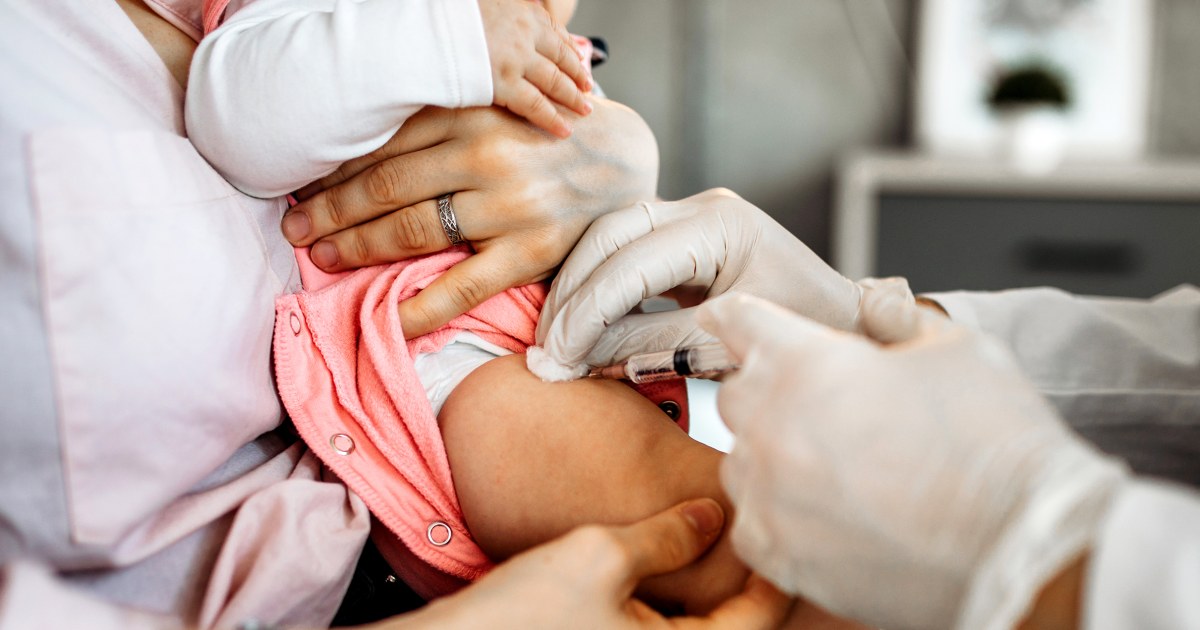
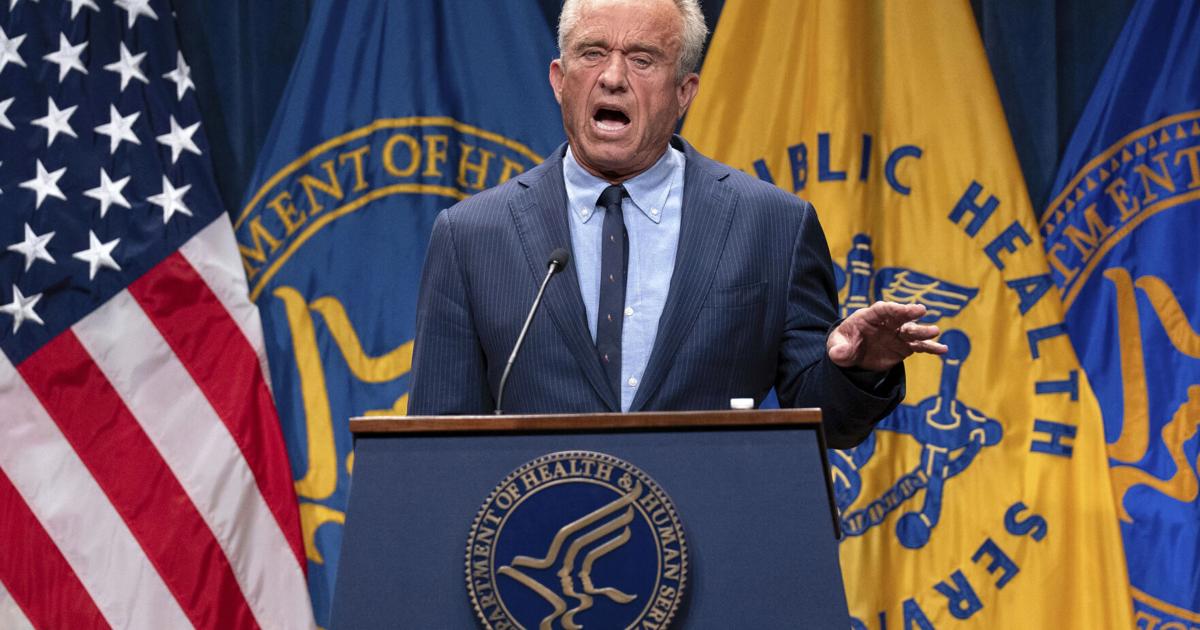
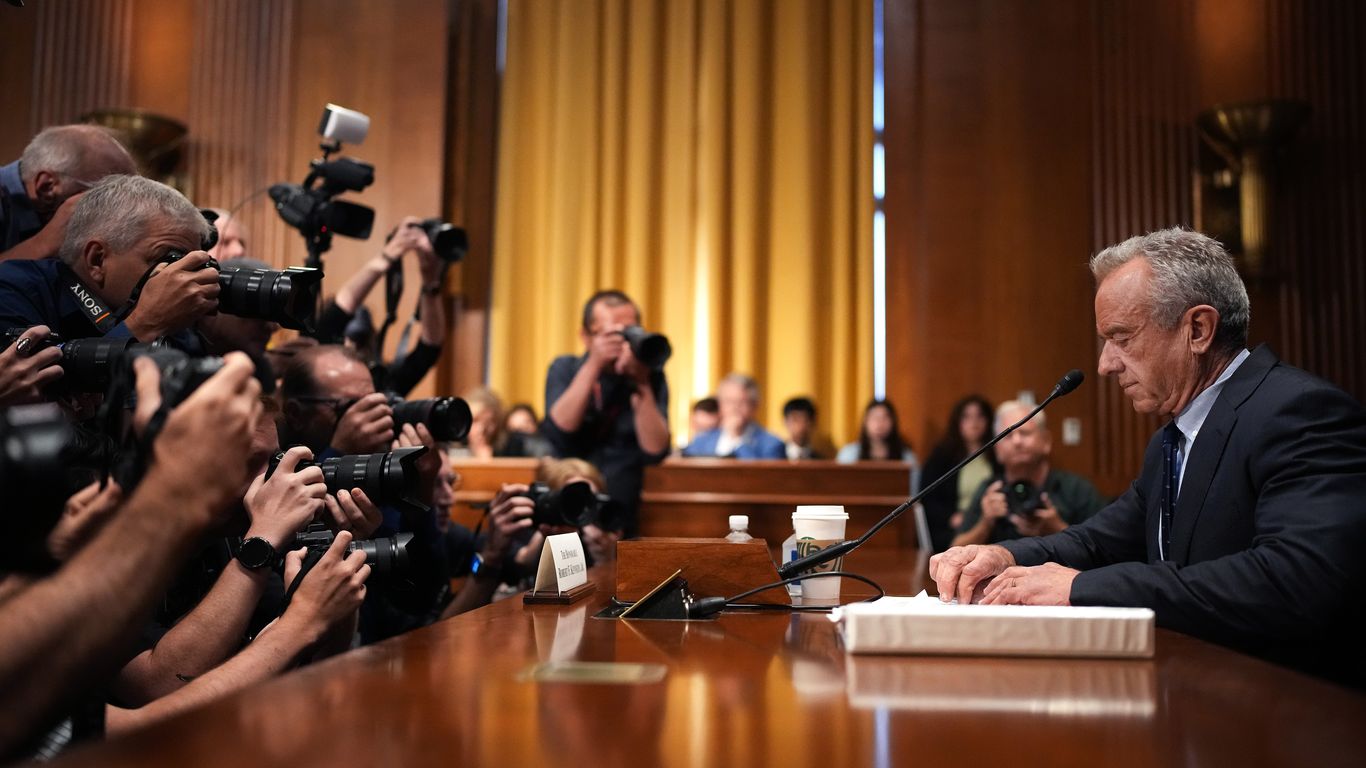
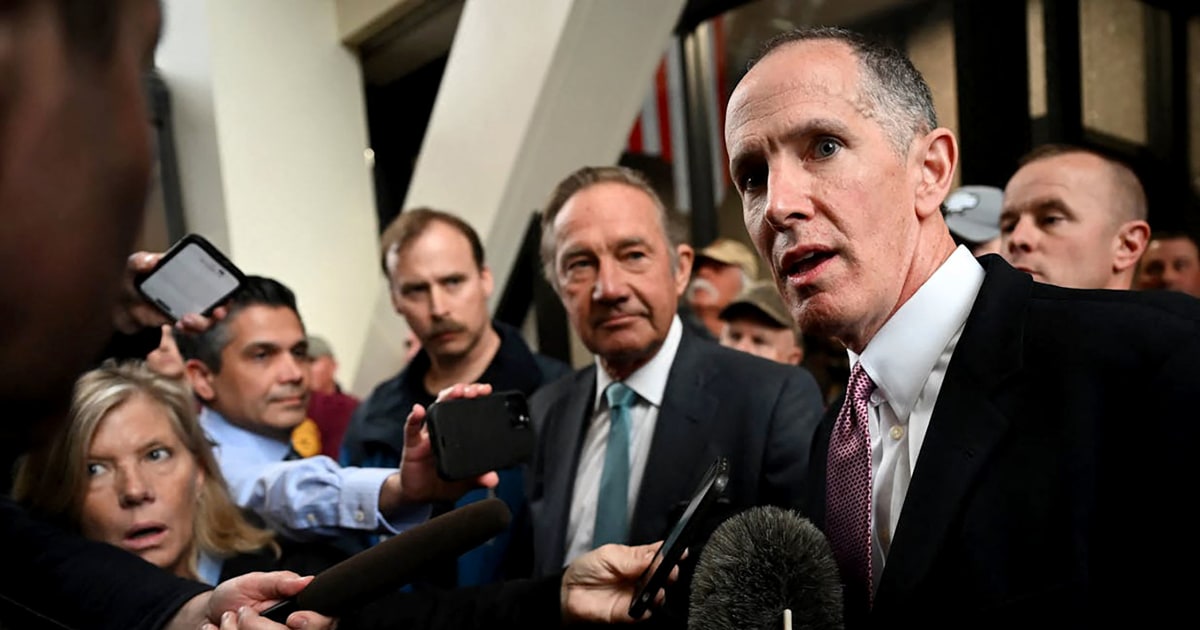
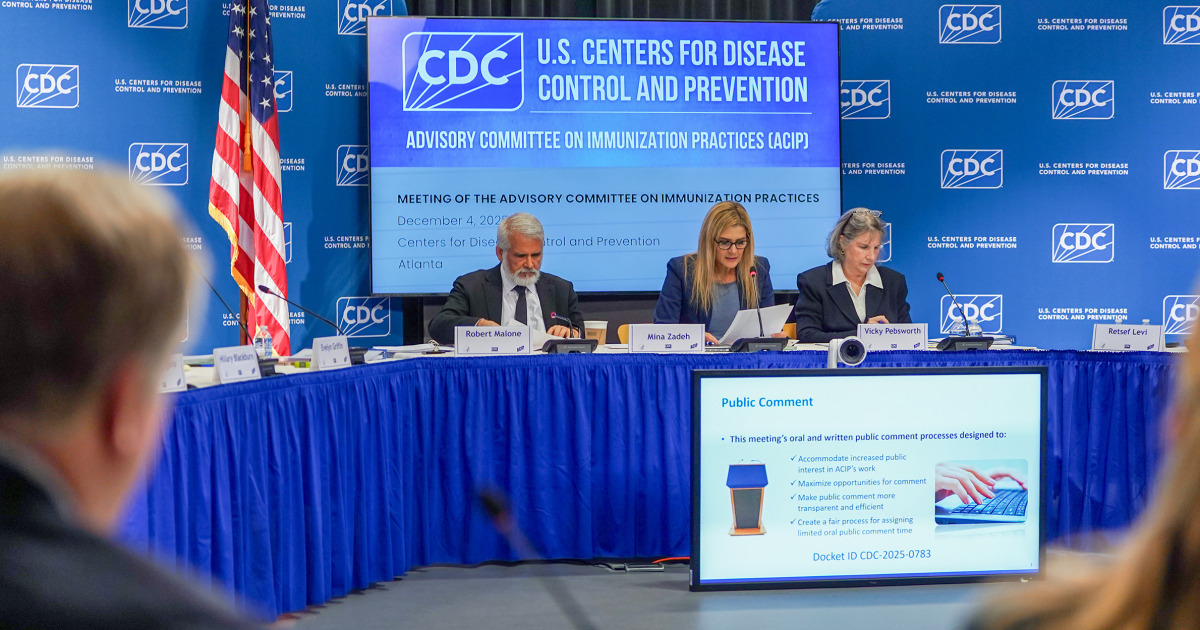
The CDC’s vaccine advisory committee delayed a critical vote on hepatitis B vaccine recommendations after a turbulent meeting marked by misinformation and confusion. The panel, influenced by newly appointed members under Health Secretary Robert F. Kennedy Jr., debated whether to rescind the longstanding guideline that all newborns receive the hepatitis B vaccine at birth. Some members requested more time to review the proposal’s language, highlighting the complexity and controversy surrounding the decision.
Controversy and Medical Concerns
Medical experts strongly opposed the proposed changes, warning that delaying or omitting the birth dose could expose infants to serious health risks. Hepatitis B can cause liver damage, cancer, and death, and current evidence supports lifelong immunity after vaccination. Critics argued that the meeting’s focus on vaccine hesitancy distracted from scientific rigor and public health priorities, emphasizing the importance of protecting newborns during their most vulnerable period.
Next Steps and Implications
The committee plans to revisit the vote soon, but any changes must still receive formal CDC approval. The debate underscores ongoing tensions between individual choice and public health in vaccine policy, with potential impacts on hepatitis B prevention efforts nationwide.
About the People Mentioned
Robert F. Kennedy Jr.
Robert F. Kennedy Jr. is an American politician, environmental lawyer, and author, born on January 17, 1954, in Washington, D.C. He is the third of eleven children of Robert F. Kennedy, the U.S. Attorney General, and Ethel Skakel Kennedy. His family's political legacy includes his uncle, President John F. Kennedy. Kennedy's early life was marked by personal struggles, including drug addiction, which led to his arrest for heroin possession in 1983. However, he later redirected his life towards environmental advocacy and public service. Kennedy graduated from Harvard University in 1976 with a degree in American history and literature and later earned a law degree from the University of Virginia in 1981. He began his career as an assistant district attorney in Manhattan but soon shifted his focus to environmental law. In 1987, he received a master's degree in environmental law from Pace University, where he taught environmental law from 1986 to 2018 and co-founded the Environmental Litigation Clinic. Notably, Kennedy is the founder of the Waterkeeper Alliance, a global clean water advocacy group, and Children's Health Defense, which focuses on childhood chronic diseases and environmental exposures. He has been recognized for his environmental activism, including being named TIME Magazine's "Hero for the Planet" for his efforts in restoring the Hudson River. Kennedy has also been involved in high-profile legal cases against companies like DuPont and Monsanto. In recent years, he has been a vocal figure in vaccine skepticism and public health controversies. In the 2024 U.S. presidential election, Kennedy initially ran as an independent candidate before endorsing Donald Trump. Currently, his involvement in public life includes controversial stances on health and environmental issues. Despite these controversies, his work in environmental law and advocacy has had significant impacts on public health and environmental protection.
About the Organizations Mentioned
CDC
The **Centers for Disease Control and Prevention (CDC)** is the premier national public health agency of the United States, operating under the Department of Health and Human Services and headquartered in Atlanta, Georgia. Its primary mission is to protect public health and safety through disease control, injury prevention, and health promotion both nationally and globally[1][8]. Established in 1946 initially as a single "Center for Disease Control," the agency expanded and reorganized in 1980 into multiple specialized centers, reflecting a broader focus beyond infectious diseases to include environmental health, chronic disease, occupational safety, and health education[7]. The CDC comprises various centers and institutes, such as the National Center for Immunization and Respiratory Diseases, the National Center for Chronic Disease Prevention and Health Promotion, and the National Institute for Occupational Safety and Health (NIOSH), among others. These centers enable the CDC to address a wide array of public health challenges through research, surveillance, policy development, and education[2]. It also plays a key role in emergency preparedness and response, demonstrated notably during the COVID-19 pandemic, where its guidance shaped public health actions despite complex political and social dynamics[8]. Key achievements include pioneering epidemiological research, controlling outbreaks of infectious diseases, advancing vaccine safety and immunization programs, and addressing emerging health threats such as obesity and diabetes. The CDC is recognized for disseminating authoritative health information, including the widely cited Morbidity and Mortality Weekly Report (MMWR), and for its global collaborations with health organizations worldwide[1][3][8]. Currently, the CDC is undergoing organizational adjustments to focus more intensively on infectious diseases, as part of the 2025 Department of Health and Human Services reorganization. This includes absorbing the Administration for Strategic Preparedness and Response while shifting some functions like occupational safety to new entities[1]. The agency’s comprehensive approach, backed by science and government funding, positions it as a critical leader in public health innovation, disease prevention, and health security i