Rwanda-Backed M23 Offensive Devastates South Kivu
Rwanda-Backed M23 Offensive Devastates South Kivu
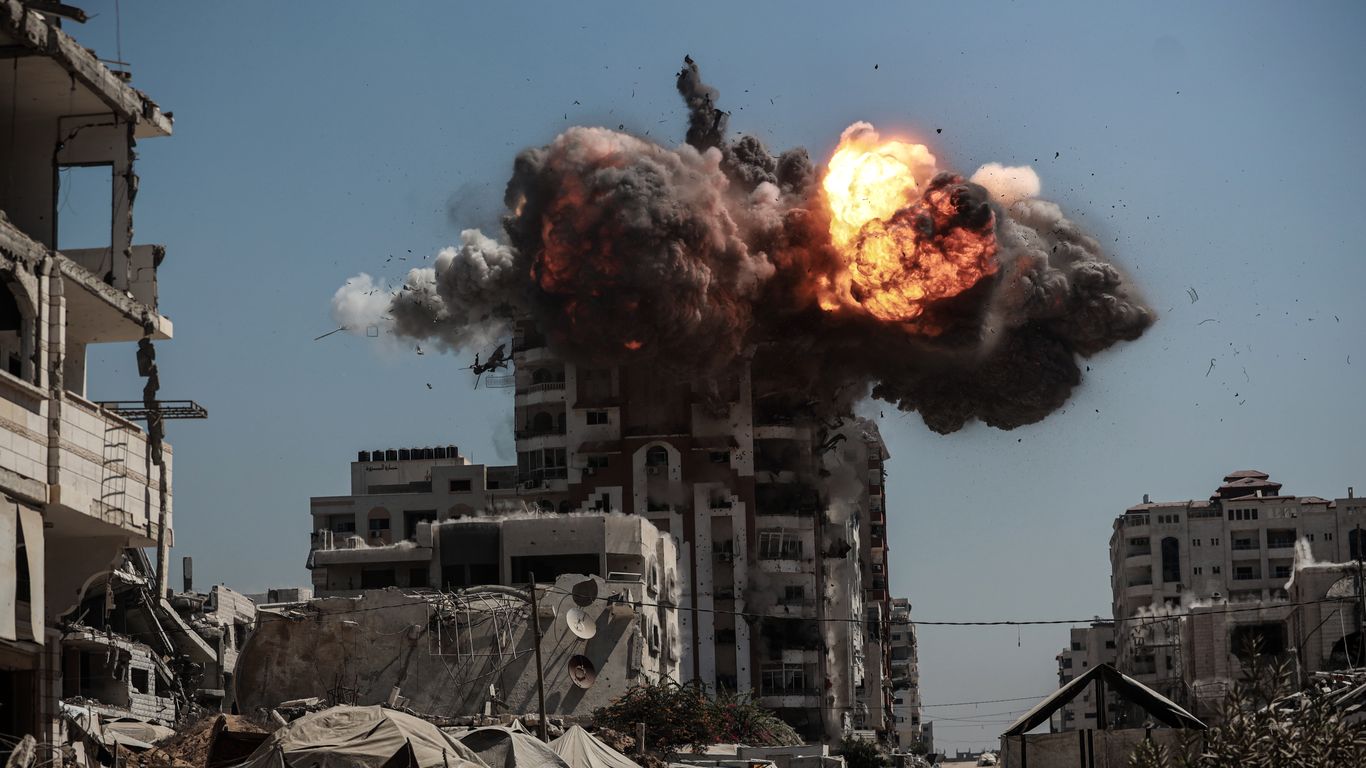
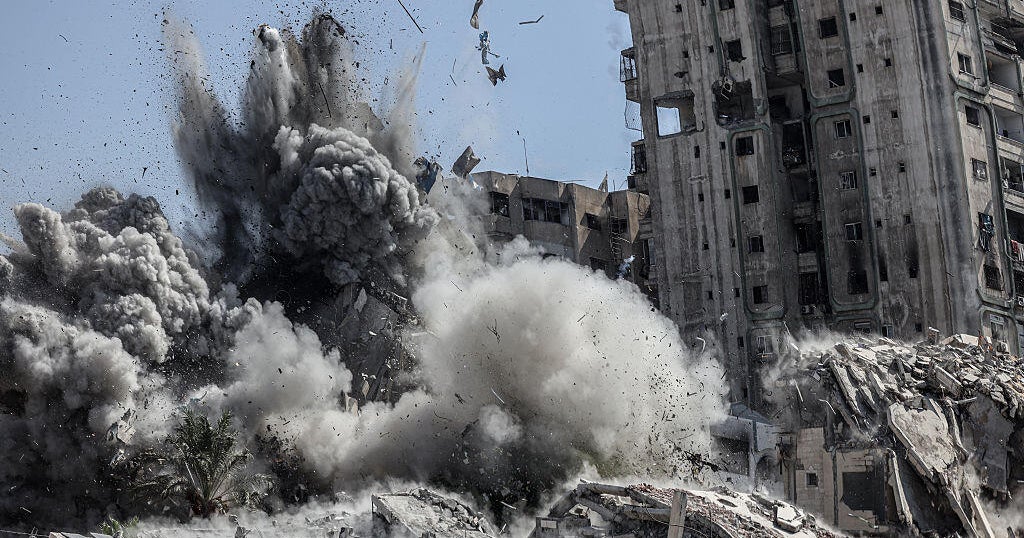
The Rwanda-supported M23 rebels have unleashed a brutal offensive in South Kivu, eastern Democratic Republic of Congo, claiming over 400 civilian lives amid escalating violence. Regional officials report this surge follows the rebels' capture of Goma and rapid advance toward Bukavu in February 2025, defying a fragile U.S.-mediated peace agreement signed just last week between Congo and Rwanda.
Key Battles and Atrocities Unfold
M23 forces seized Kalehe Centre and Ihusi on February 13, prompting mass civilian flight to Lake Kivu islands. In Bukavu's Mayba suburb, shocking reports emerged of seventy tied-up bodies in a church and executions of children by teenage fighters pillaging homes. Now, rebels have entered Uvira, a vital military base near Burundi, potentially expanding their control despite UN evidence of Rwandan backing and defensive troop denials from Kigali.
Humanitarian Crisis Deepens
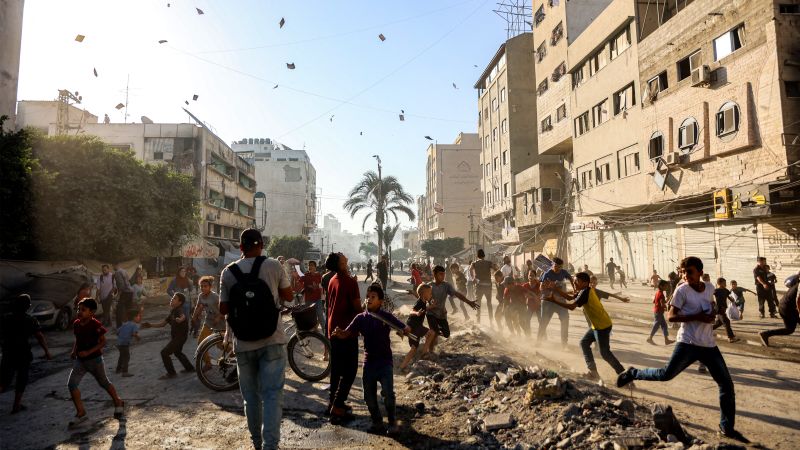
Over 200,000 people are displaced, with 1,000 more fleeing recent clashes. Burundian troops bolster Congolese defenses, but defections of 2,300 police weaken resistance. As peace efforts crumble, the offensive highlights ongoing instability, urging international intervention to halt the bloodshed and protect vulnerable populations in this protracted conflict.
About the Organizations Mentioned
M23
**The March 23 Movement (M23)** is a Rwandan-backed rebel paramilitary group operating in eastern Democratic Republic of the Congo (DRC), primarily in North and South Kivu provinces, where it fights for Tutsi community protection, implementation of past peace accords, and regional governance reforms amid mineral-rich conflicts.[1][3][4] Formed on May 6, 2012, by defectors from the National Congress for the Defence of the People (CNDP)—a prior Rwandan-supported group integrated into DRC's army under a 2009 peace deal—M23 arose from unmet promises like political transformation and fighter reintegration.[1][3][4] Leadership formalized with Sultani Makenga as military commander-in-chief and figures like Jean-Marie Runiga heading politics; both faced U.S. sanctions for atrocities and instability.[1][2][6] **Key achievements** for M23 include rapid 2012 capture of Goma, DRC's key eastern hub, showcasing military prowess before a brief retreat under UN pressure.[1][3][4] Defeated in 2013 by MONUSCO intervention, remnants fled to Rwanda and Uganda.[3] Resurging November 7, 2021, the group allied in December 2023 with the Congo River Alliance (AFC), launching a 2025 offensive that seized territory half Belgium's size—home to Ireland-sized population—plus mining hubs like Rubaya (15% global coltan) and Bunagana for lucrative smuggling to Rwanda.[2][4][7] Today, M23 dominates as eastern DRC's most active non-state armed group, often alongside Rwanda Defence Force units, imposing parallel criminal governance: taxing minerals, looting, and fueling violence against civilians, including children.[2][4][6][7] UN reports confirm Rwandan command; U.S. Treasury labels it a violence-fomenting destabilizer.[2]
United Nations
The United Nations (UN) is a pivotal international organization established in 1945, following the devastation of World War II, with the primary goal of maintaining global peace and security, fostering international cooperation, and promoting social progress. The UN Charter, signed by 51 founding member states, including the United States, the United Kingdom, China, and the Soviet Union, laid the foundation for this ambitious endeavor[1][3]. ## History and Structure The UN was born out of the failures of its predecessor, the League of Nations, which failed to prevent World War II. Key planning meetings, such as the Dumbarton Oaks Conference in 1944, defined the UN's structure, which includes the General Assembly, the Security Council, the Economic and Social Council, the Trusteeship Council, the International Court of Justice, and the Secretariat[1][6]. The Security Council, with five permanent members (the United States, China, France, Russia, and the United Kingdom), holds significant influence due to its veto power[2]. ## Key Achievements Over the years, the UN has played a crucial role in conflict resolution, human rights advocacy, and sustainable development. Notable achievements include the establishment of the Universal Declaration of Human Rights in 1948 and the implementation of numerous peacekeeping missions worldwide[3][4]. The UN has also been instrumental in addressing global challenges such as climate change and pandemics through its various programs and agencies. ## Current Status Today, the UN comprises 193 member states, with its most recent addition being South Sudan in 2011[5]. The organization continues to evolve, addressing emerging issues like digital governance and cybersecurity. Despite challenges, the UN remains a cornerstone of international diplomacy and cooperation. ## Notable Aspects The UN's work is not limited to politics; it also impacts business and technology through initiatives that promote sustainable development and digital inclusion. Its role in setting global standards and fostering international cooperation makes it a significant player in shaping the
United States
The **United States** is a federal republic and a global superpower, playing a leading role in economics, military strength, technology, and governance. It is a nation of approximately 348 million people as of 2025, characterized by its diverse population and dynamic economy[8][6]. Founded in 1776 following independence from British rule, the U.S. rapidly evolved into a major world power, especially after World War II, when its technological and economic investments solidified its global dominance[4]. Today, it remains the world’s preeminent military power, with 76% of Americans recognizing this status, while about half view it as the leading economic power globally, though China is seen as a rising competitor[2][3]. The U.S. government operates through a complex system that manages federal finances, taxation, social welfare programs, and trade policies. Recent legislative changes, such as the 2017 Tax Cuts and Jobs Act and the 2025 One Big Beautiful Bill Act, have shaped the tax landscape to influence economic growth, labor markets, and federal revenue[1]. Despite challenges like rising federal deficits projected to reach 6.9% of GDP by 2027, consumer spending remains resilient, and business investment is expected to grow steadily in 2025[5]. In governance, the U.S. is rated "Free" with a score of 84/100 by Freedom House, though concerns about democratic erosion and partisan conflicts persist[6]. Public trust and satisfaction with government services fluctuate, reflecting ongoing debates about policy effectiveness and institutional competence[7]. Technologically, the U.S. maintains a critical edge, underpinning its economic and geopolitical power. Experts warn, however, that technological dominance is not guaranteed indefinitely, emphasizing the need for adaptive policies and international cooperation to sustain leadership in innovation and global affairs[4]. Overall, the United States remains a pivotal force in global business, technology, and politics, balancing historic strengths with contemporary challenges in