Thailand-Cambodia Border Clash: Airstrikes Escalate Tensions and Threaten Regional Peace
#thailand #cambodia #conflict #diplomacy #regional_stability
Thailand Launches Airstrikes Amid Rising Tensions
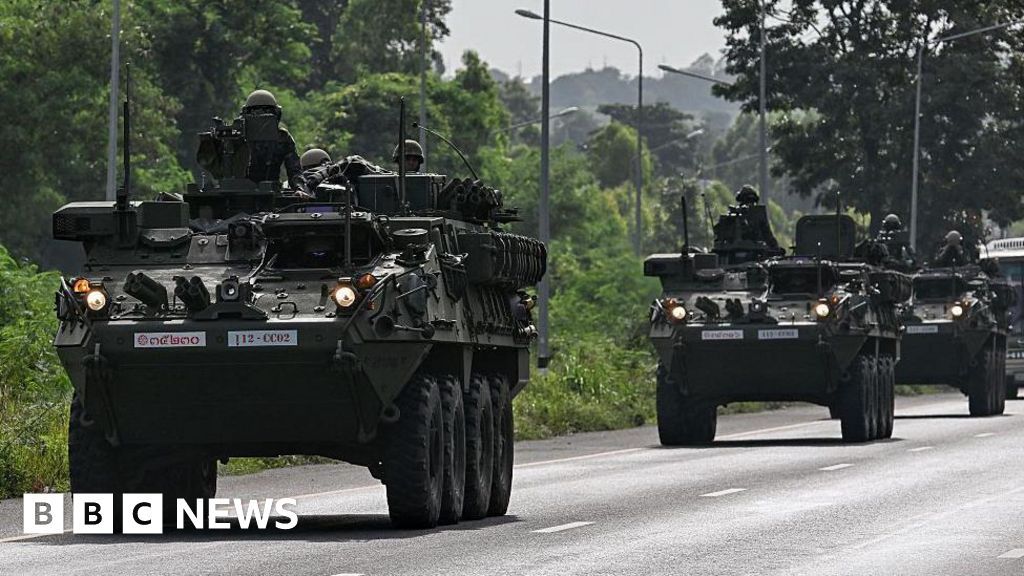
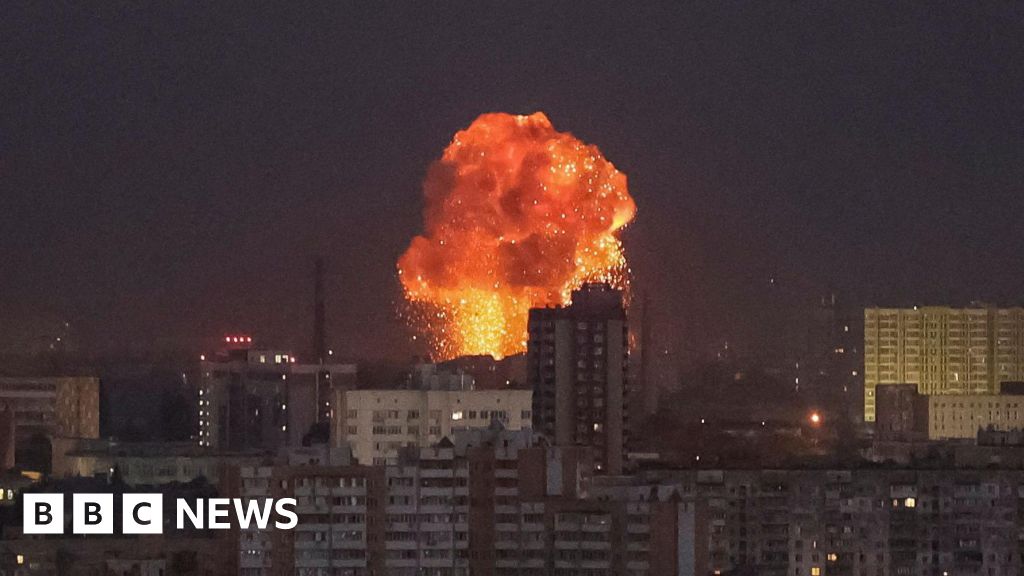
On Monday, Thailand initiated airstrikes targeting Cambodian military positions along their disputed border, escalating a conflict that threatens the fragile peace agreement brokered by former US President Donald Trump just two months earlier. The Royal Thai Air Force deployed F-16 fighter jets to strike Cambodian artillery and command posts, citing retaliation for attacks that resulted in the death of a Thai soldier and rocket strikes on Thai civilians.
Impact on Civilians and Regional Stability
The renewed fighting has had a severe humanitarian toll, with at least four Cambodian civilians killed and several others wounded. Both Cambodia and Thailand have accused each other of provocations, while thousands of residents on both sides have been evacuated due to safety concerns. Schools and hospitals near the border have temporarily closed as clashes continue, intensifying fears of a broader conflict in Southeast Asia.
Peace Agreement in Jeopardy
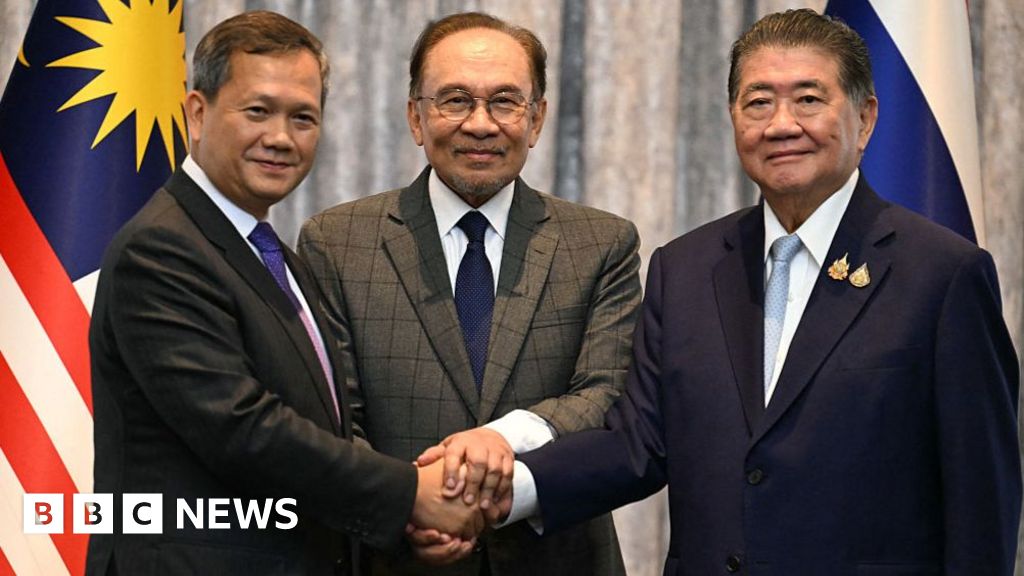
This escalation marks a critical challenge to the peace plan facilitated by the US, highlighting the fragile nature of diplomatic efforts in the region. With both nations maintaining aggressive postures, the future of lasting peace remains uncertain amid ongoing military confrontations and political tensions.
About the People Mentioned
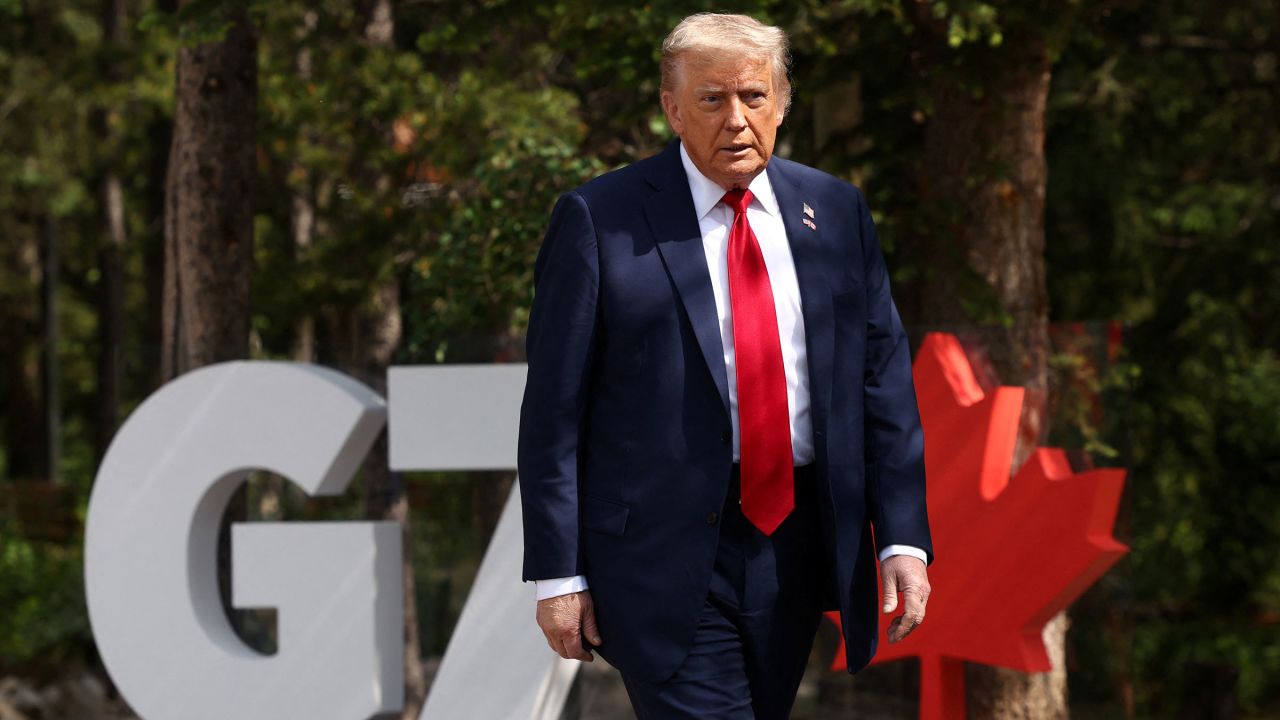
Donald Trump
Donald John Trump, born June 14, 1946, in Queens, New York, is an American businessman, media personality, and politician. He graduated from the University of Pennsylvania’s Wharton School in 1968 with a degree in economics. In 1971, he took over his family’s real estate business, renaming it the Trump Organization, through which he expanded into building and managing skyscrapers, hotels, casinos, and golf courses. Trump gained widespread fame as the host of the reality TV show *The Apprentice* from 2004 to 2015, which helped establish his public persona as a successful entrepreneur. Trump entered politics as a Republican and was elected the 45th president of the United States, serving from 2017 to 2021. His presidency was marked by significant policy actions including tax cuts, deregulation, the appointment of three Supreme Court justices, renegotiation of trade agreements (notably replacing NAFTA with the USMCA), and a focus on immigration control including border wall expansion. He withdrew the U.S. from international agreements such as the Paris Climate Accord and the Iran nuclear deal, and engaged in a trade war with China. His administration’s response to the COVID-19 pandemic was criticized for downplaying the virus’s severity. Trump was impeached twice by the House of Representatives—first in 2019 for abuse of power and obstruction, and again in 2021 for incitement of insurrection—but was acquitted by the Senate both times. After losing the 2020 election to Joe Biden, Trump challenged the results, culminating in the January 6, 2021, Capitol riot. He remains a central figure in American politics, having won the 2024 presidential election and returned as the 47th president in 2025, continuing to promote policies aimed at economic growth, border security, and military strength[1][2][3][4].
About the Organizations Mentioned
Royal Thai Air Force
The **Royal Thai Air Force (RTAF)** is Thailand’s aerial warfare branch, established in 1913, making it one of Asia’s oldest air forces. Its core mission is to defend the country’s sovereignty and territorial integrity through air power, and it plays a vital role in national security, disaster relief, and international peacekeeping[1][2][4]. The RTAF operates under a structured organization comprising five main groups: command, combat, support, education and training, and special services, including a specialized Security Force Command responsible for air base defense and special operations[1][2]. Historically, the RTAF was strengthened during the Vietnam War with US aid, acquiring bases and modern equipment. Post-war, it has transitioned to a modern air force focusing on defensive capabilities rather than power projection[1][2]. It maintains a fleet of approximately 497 active aircraft as of 2025, ranking it #23 globally in air power[1][6]. Its fighter fleet includes American F-16 Fighting Falcons and Swedish Saab JAS 39 Gripens, supported by transport, trainer, and unmanned aerial vehicles (UAVs) like the Elbit Hermes 900 for intelligence and surveillance[1][6]. Key achievements include ongoing modernization efforts such as acquiring the A330 Multi-Role Tanker Transport for aerial refueling and strategic transport, and upgrading training aircraft with T-6TH Texan II trainers. The RTAF is actively pursuing next-generation fighters like additional Gripen E/F models or the Lockheed Martin F-35 to replace aging F-16s, enhancing network-centric warfare capabilities via advanced data links and airborne early warning systems[1]. Technologically, the RTAF integrates advanced systems for combat readiness and interoperability with allied forces, regularly participating in multilateral exercises to enhance air-to-air and air-to-ground combat skills. Its special operations units focus on counterterrorism, reconnaissance, and hostage rescue, reflecting a broad operational scope beyond conventional
United States
The **United States** is a federal republic and a global superpower, playing a leading role in economics, military strength, technology, and governance. It is a nation of approximately 348 million people as of 2025, characterized by its diverse population and dynamic economy[8][6]. Founded in 1776 following independence from British rule, the U.S. rapidly evolved into a major world power, especially after World War II, when its technological and economic investments solidified its global dominance[4]. Today, it remains the world’s preeminent military power, with 76% of Americans recognizing this status, while about half view it as the leading economic power globally, though China is seen as a rising competitor[2][3]. The U.S. government operates through a complex system that manages federal finances, taxation, social welfare programs, and trade policies. Recent legislative changes, such as the 2017 Tax Cuts and Jobs Act and the 2025 One Big Beautiful Bill Act, have shaped the tax landscape to influence economic growth, labor markets, and federal revenue[1]. Despite challenges like rising federal deficits projected to reach 6.9% of GDP by 2027, consumer spending remains resilient, and business investment is expected to grow steadily in 2025[5]. In governance, the U.S. is rated "Free" with a score of 84/100 by Freedom House, though concerns about democratic erosion and partisan conflicts persist[6]. Public trust and satisfaction with government services fluctuate, reflecting ongoing debates about policy effectiveness and institutional competence[7]. Technologically, the U.S. maintains a critical edge, underpinning its economic and geopolitical power. Experts warn, however, that technological dominance is not guaranteed indefinitely, emphasizing the need for adaptive policies and international cooperation to sustain leadership in innovation and global affairs[4]. Overall, the United States remains a pivotal force in global business, technology, and politics, balancing historic strengths with contemporary challenges in