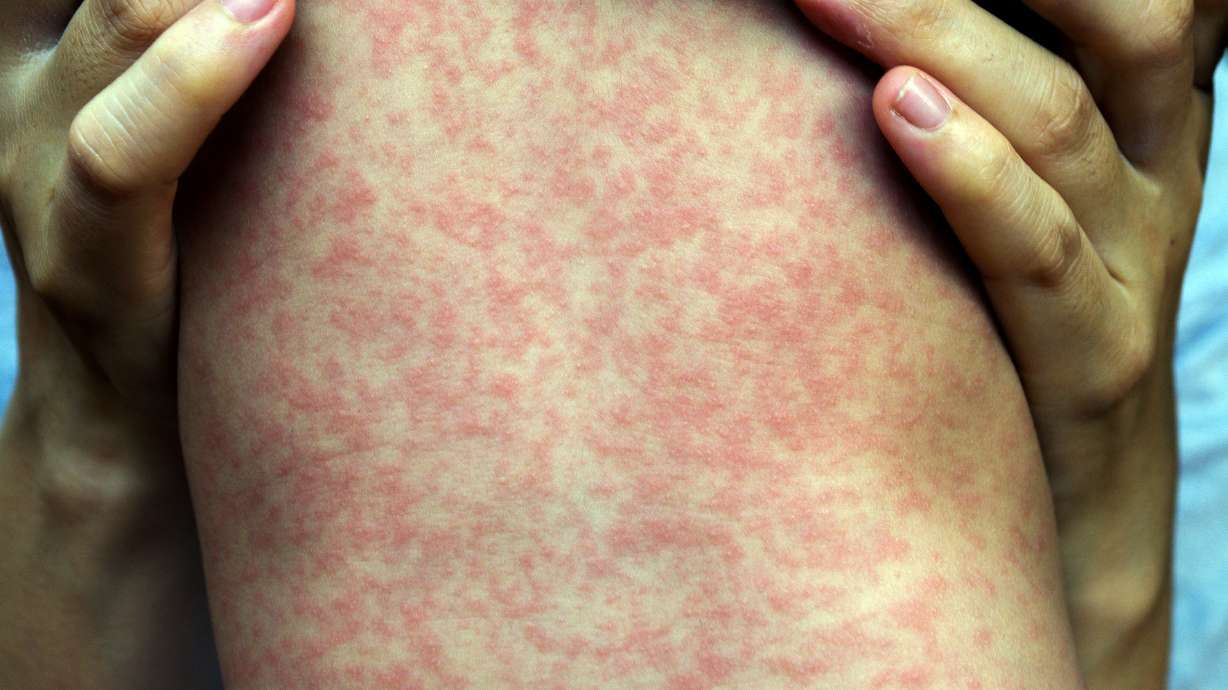
Self-Collection HPV Tests Revolutionize Cervical Cancer Screening
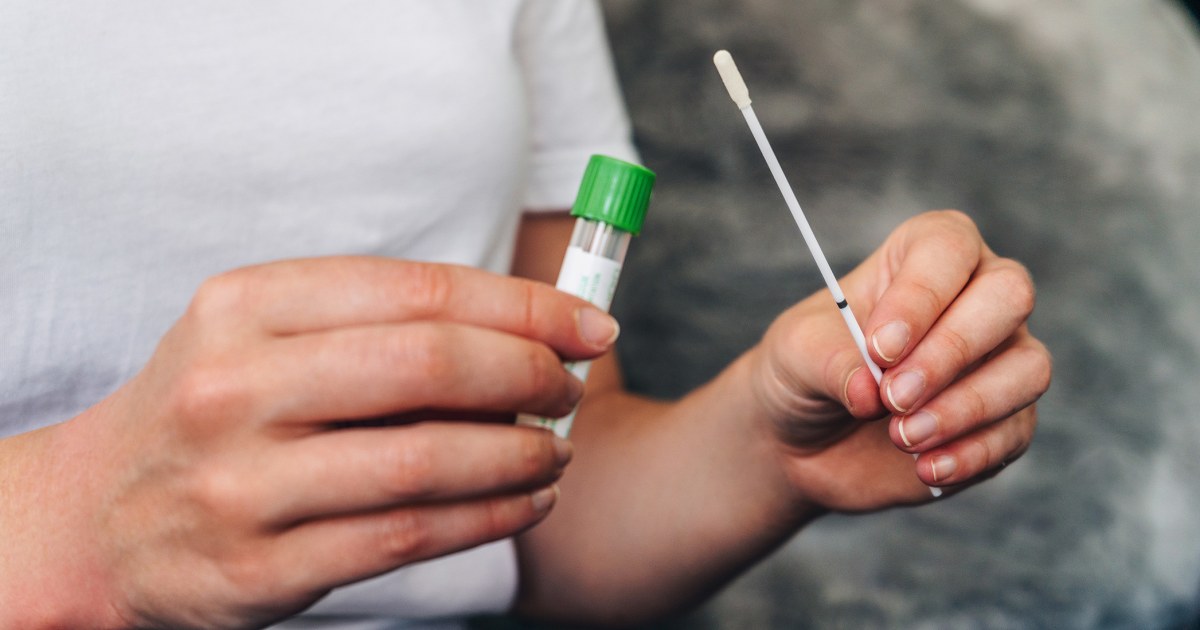
Say Goodbye to Uncomfortable Pap Smears
Federal health officials have revolutionized cervical cancer screening by expanding guidelines to include self-administered HPV tests[1]. Women aged 30 to 65 can now opt for comfortable self-swab testing instead of traditional clinical visits[1]. The Health Resources and Services Administration announced these changes on January 5, 2026, recognizing that many women avoid screenings due to discomfort and stress[1].
How Self-Collection Works
Self-collection HPV tests demonstrate accuracy comparable to clinician-administered versions[1]. Women can collect vaginal samples privately at home or in clinical settings, with the FDA approving the first at-home screening kit in May 2025[4]. Results require HPV testing every five years for average-risk women, significantly extending the screening interval[1].
Removing Financial Barriers
Insurance coverage begins January 1, 2027, eliminating out-of-pocket costs for screening and follow-up testing[3]. This expansion aims to close screening gaps and increase adherence among populations facing access challenges[5]. By combining convenience with affordability, these guidelines promise to save lives through improved cervical cancer detection.
```About the Organizations Mentioned
Health Resources and Services Administration
The **Health Resources and Services Administration (HRSA)** is a key U.S. Department of Health and Human Services agency dedicated to enhancing health care access for uninsured, geographically isolated, or medically vulnerable populations, including those with HIV/AIDS, rural residents, and mothers with children.[1][2][3] Established in 1982 (with roots tracing to 1980), HRSA has evolved into a powerhouse with six bureaus and 12 offices, headquartered in Rockville, Maryland.[1][2][3][7] It funds over 90 programs and 3,000+ grantees, delivering direct care to tens of millions via community health centers, mobile clinics, and Ryan White HIV clinics that ease emergency room burdens.[1][6] Notable functions include workforce training (scholarships, loan repayments for providers in underserved areas), organ/bone marrow donation oversight, bioterrorism preparedness, vaccine injury compensation, pediatric poison control, and discounted prescription drugs for safety-net providers.[1][2][6] HRSA also advances telehealth and monitors workforce trends to forecast demand.[6] Key achievements shine in scale: Its FY2015 $10 billion budget served 23 million, while FY2024 spending hit $14.6 billion—ranking 4th among HHS divisions—with employee numbers up 57.5% since 2010.[1][2] Programs bolster health equity, supporting minority participation in professions and patient-centered medical homes via NCQA-recognized standards, driving cost savings and satisfaction.[3][6] Currently, HRSA invests in innovative tech like telehealth and data systems to combat malpractice, fraud, and abuse, aligning with its mission of "Healthy Communities, Healthy People."[1][3][5] However, a planned 2025 HHS reorganization will integrate its components into the new Administration for a Healthy America, signaling potential shifts.[1] For business and tech enthusiasts, HRSA'
FDA
## Overview The **U.S. Food and Drug Administration (FDA)** is a federal agency within the Department of Health and Human Services responsible for protecting public health by ensuring the safety, efficacy, and security of a wide range of products, including human and veterinary drugs, biologics, medical devices, food, cosmetics, and products that emit radiation[1][2][3]. Its mission is to advance public health by helping to speed innovations that make medical products safer, more effective, and more affordable, while providing the public with accurate, science-based information about these products[1]. ## Functions and Regulatory Scope The FDA’s regulatory authority is expansive. It oversees the approval, manufacturing, marketing, and distribution of prescription and over-the-counter drugs, vaccines, blood products, medical devices (from simple tongue depressors to complex pacemakers), dietary supplements, most foods (except some meat, poultry, and egg products regulated by the USDA), cosmetics, and tobacco products[1][2][5]. The agency also regulates electronic products that emit radiation, such as X-ray machines and microwave ovens[2][5]. Importantly, the FDA does not regulate the practice of medicine, medical services, product pricing, or health insurance reimbursement[2]. The FDA achieves its goals through a combination of **premarket reviews**, **post-market surveillance**, **facility inspections**, **enforcement actions**, and **public education**[3][4]. It maintains several adverse event reporting systems—such as MedWatch and VAERS—to monitor product safety after they reach the market[4]. The agency also plays a key role in the nation’s counterterrorism efforts by ensuring food supply security and fostering the development of medical countermeasures[1]. ## History and Key Achievements Established in 1906 with the passage of the Pure Food and Drugs Act, the FDA’s origins trace back to efforts to combat adulterated and misbranded food and drugs. Its regulatory powers expanded significantly with the