Atorvastatin Recall Triggers Patient Concern: FDA Oversight and Global Supply Chain Risks

Atorvastatin Recall Sparks Concern for Millions of Patients
America's most prescribed cholesterol drug, atorvastatin, faces a massive recall affecting over 141,000 bottles due to failed dissolution tests, potentially reducing its effectiveness in preventing heart attacks and strokes. Manufactured by India's Alkem Laboratories and distributed by Ascend Laboratories, the Class II recall—initiated September 19, 2025—targets 10mg to 80mg strengths across multiple lots expiring through 2027. Patients should check lot numbers and contact pharmacies without stopping treatment.[1][2][3]
Root Causes and FDA Oversight Challenges
The core issue stems from tablets not dissolving properly in the body, a problem uncovered during quality checks. This incident highlights persistent FDA struggles with inspecting overseas facilities, where most generics originate. Similar recalls, like carbamazepine for dissolution failures, underscore vulnerabilities in global supply chains, raising questions about long-term drug stability and regulatory gaps.[1][5]
What Patients Should Do Next
Do not panic—continue your medication while verifying affected batches via FDA reports. Pharmacies like UCHealth offer free replacements. This event emphasizes proactive vigilance, better manufacturing standards, and diversified sourcing to safeguard public health amid rising overseas production reliance.[4]
About the Organizations Mentioned
Alkem Laboratories
Alkem Laboratories Ltd., founded in 1973 by Samprada Singh and Basudeo Narain Singh in Mumbai, India, is a leading pharmaceutical powerhouse specializing in the development, manufacturing, and marketing of **branded generics, generic drugs, active pharmaceutical ingredients (APIs), nutraceuticals, and biosimilars** across major therapeutic segments.[1][2][3] From humble beginnings aimed at transforming India's pharma sector, Alkem has evolved over **five decades** into a global player with a footprint in **over 50 countries**, including the US via its subsidiary Ascend, LATAM, Europe, Africa, CIS, Southeast Asia, and Australia.[1][3][4] It operates **19 state-of-the-art manufacturing facilities** (all US FDA-approved in India and the US) and **five cutting-edge R&D centers** in India and the US, employing over 500 scientists to drive innovation under its "Extended Lifecare Beyond Boundaries" philosophy.[1][3] **Key achievements** include consistent ranking among India's **top 10 pharmaceutical companies**, leadership in acute therapies like anti-infectives (held for over a decade), gastro-intestinal, pain management, and vitamins/minerals for more than 10 years, with blockbuster brands such as **Clavam, Pan, Pan-D, and Taxim-O** featuring in India's top 50 pharma brands.[1][3] The company boasts **over 800 brands**, cumulative **125+ ANDA filings** and approvals with the US FDA, and approved drugs like Olanzapine for schizophrenia, Dronabinol for nausea, and Evogliptin for type 2 diabetes, plus pipelines in biosimilars (e.g., Denosumab) and novel therapies.[1][2][4] Its diversified portfolio mitigates risks while fueling growth in both US and non-US markets.[1] Today, Alkem emphasizes **accessibilit
Ascend Laboratories
Ascend Laboratories is a U.S.-focused generic pharmaceutical company that develops, manufactures and markets off‑patent medicines for hospitals, pharmacies and wholesalers, leveraging both in‑house R&D and parent‑company resources to supply over 100 SKUs to the market. [1][3] Founded in the early 2000s as a product‑development specialist for generic drug makers, Ascend transitioned from a support role into direct commercialization after acquiring sales and marketing capabilities and obtaining its own FDA approvals; its first labeled products launched in 2008.[1] Ascend then pursued a bifurcated strategy of organic internal development plus partnerships with firms that could secure FDA approvals but lacked U.S. commercialization expertise.[1] That partner strategy led to a strategic integration with India’s Alkem Laboratories, and Ascend now operates as a wholly owned subsidiary that draws on Alkem’s R&D, manufacturing scale and infrastructure.[1][3] Ascend’s manufacturing and development footprint spans the U.S. and India: U.S. sites in California and Missouri produce APIs and finished dosage forms while Indian campuses (Daman and Baddi) host general formulation lines plus specialized blocks (penicillin, cephalosporin, immunosuppressants); the parent group supports two R&D centers in India employing hundreds of scientists, including PhDs.[3][5] Ascend reports 23 U.S.-approved molecules on the market, more than 100 marketed SKUs, 54 submitted molecules awaiting FDA decisions, and 100+ candidates in development.[3] Notable achievements include transitioning from a small product‑development shop to an FDA‑approved label holder, integrating with a major Indian pharma to scale manufacturing and pipeline, and building a vertically integrated capability that includes a CRO and biostudy hospital to support bioequivalence work.[1][3] Ascend emphasizes cost‑saving generic alternatives, FDA
FDA
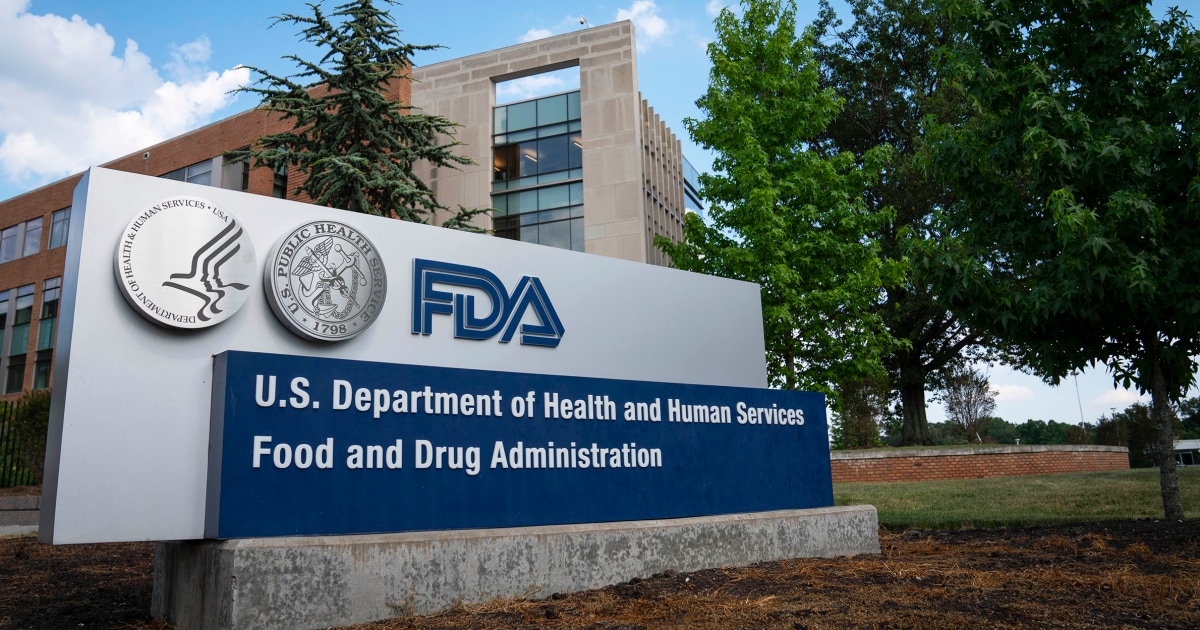
## Overview The **U.S. Food and Drug Administration (FDA)** is a federal agency within the Department of Health and Human Services responsible for protecting public health by ensuring the safety, efficacy, and security of a wide range of products, including human and veterinary drugs, biologics, medical devices, food, cosmetics, and products that emit radiation[1][2][3]. Its mission is to advance public health by helping to speed innovations that make medical products safer, more effective, and more affordable, while providing the public with accurate, science-based information about these products[1]. ## Functions and Regulatory Scope The FDA’s regulatory authority is expansive. It oversees the approval, manufacturing, marketing, and distribution of prescription and over-the-counter drugs, vaccines, blood products, medical devices (from simple tongue depressors to complex pacemakers), dietary supplements, most foods (except some meat, poultry, and egg products regulated by the USDA), cosmetics, and tobacco products[1][2][5]. The agency also regulates electronic products that emit radiation, such as X-ray machines and microwave ovens[2][5]. Importantly, the FDA does not regulate the practice of medicine, medical services, product pricing, or health insurance reimbursement[2]. The FDA achieves its goals through a combination of **premarket reviews**, **post-market surveillance**, **facility inspections**, **enforcement actions**, and **public education**[3][4]. It maintains several adverse event reporting systems—such as MedWatch and VAERS—to monitor product safety after they reach the market[4]. The agency also plays a key role in the nation’s counterterrorism efforts by ensuring food supply security and fostering the development of medical countermeasures[1]. ## History and Key Achievements Established in 1906 with the passage of the Pure Food and Drugs Act, the FDA’s origins trace back to efforts to combat adulterated and misbranded food and drugs. Its regulatory powers expanded significantly with the
UCHealth
**UCHealth** is a leading nonprofit health system centered in Colorado, delivering advanced, patient-focused care across hospitals, clinics, and medical centers in Colorado, southern Wyoming, and western Nebraska.[3] With an academic medical center at its core, it integrates cutting-edge technologies and proven treatments to advance healthcare from treatment to holistic wellness, guided by its mission to "improve lives" through learning, healing, discovery, and human connection.[3] Formed through strategic mergers of regional hospitals and the University of Colorado's health programs, UCHealth has evolved into a networked powerhouse emphasizing innovation and accessibility.[3] Its values—patients first, integrity, excellence—drive operations, distinguishing it from traditional providers by prioritizing community health and technology adoption.[3] Key achievements underscore its excellence: four consecutive Magnet® designations for nursing, top U.S. News & World Report hospital rankings, Nightingale Awards, and above-state-average outcomes in patient safety and quality initiatives.[3] In 2025, it earned the No. 3 spot nationwide on the Lown Institute Hospitals Index for social responsibility, evaluating over 2,700 hospitals on equity, value, and outcomes—marking a second consecutive year.[5][6] Recognized as a Level 10 "most wired" organization by CHiME, UCHealth leads in digital health tools.[3] In FY2024, it served 2.7 million patients, delivering $1.3 billion in community benefits, including $570 million in uncompensated care.[5][6] Currently, under President and CEO Elizabeth B. Concordia, UCHealth thrives with multiple high-performing facilities like Broomfield Hospital and Pikes Peak Regional Hospital, all Lown-honored.[5][6] Its business-tech edge shines in data-driven care, network expansion, and equity-focused strategies, positioning it as a model for sustainable, innovative healthcare amid industry shifts. For business watchers, its $1.3