Slow-Moving Prisoner Releases in Venezuela Spark Frustration and Debate
Slow-Moving Prisoner Releases in Venezuela
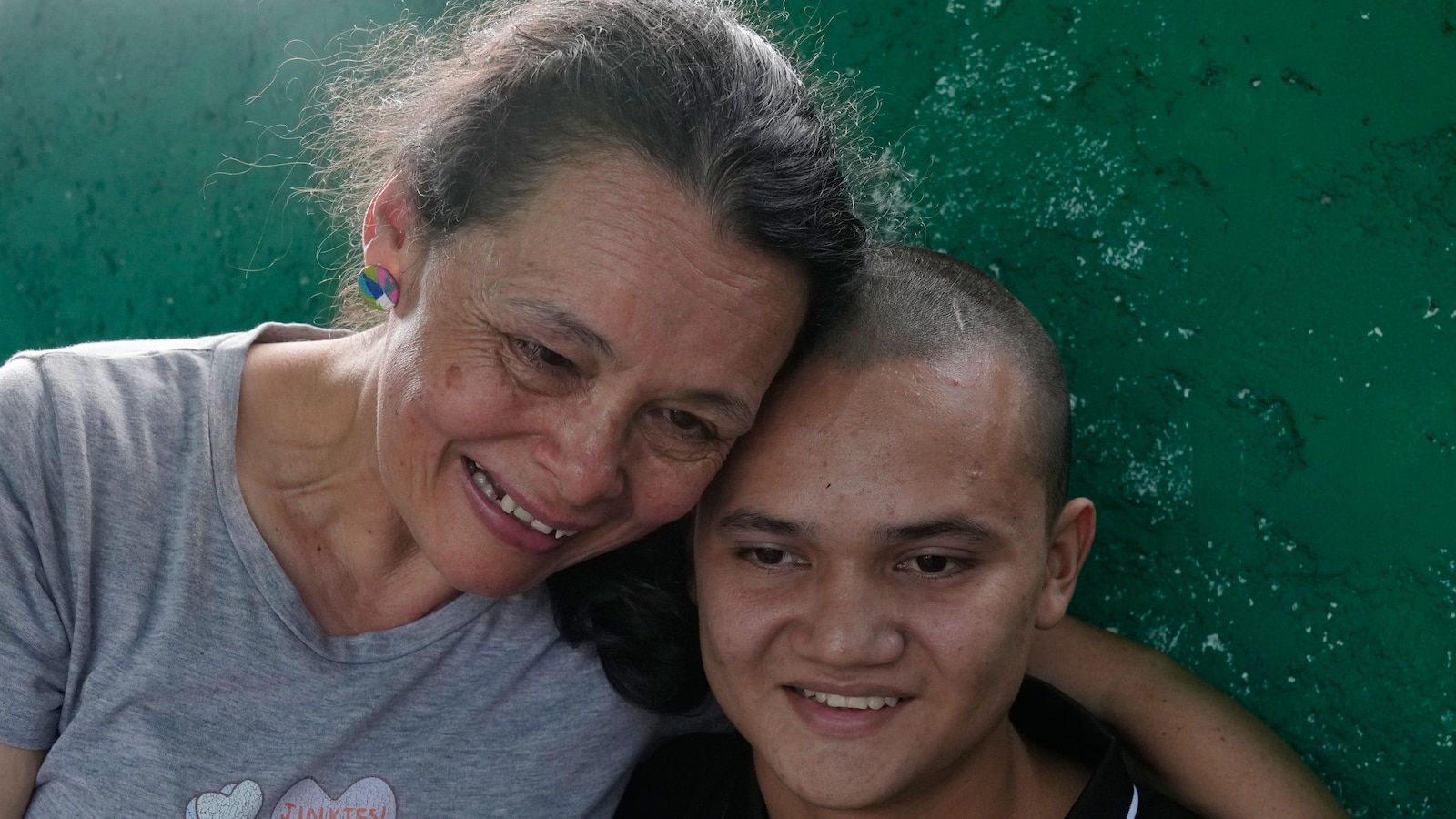
Slow-moving prisoner releases in Venezuela have entered their third day, turning a government goodwill announcement into an emotional national spectacle. Families gather outside prisons from Caracas to small towns, waiting anxiously for names to be called and gates to open. Each release is celebrated, yet the slow pace fuels uncertainty, questions, and mounting frustration as many detainees remain in limbo.
Government Pledge and Political Context
The Venezuelan government has pledged to free a significant number of prisoners, including political activists, journalists, and low-level offenders swept up during past crackdowns. Officials promote the move as a humanitarian gesture and a step toward dialogue with international partners. Critics, however, describe the effort as calculated symbolism, noting the lack of transparency, incomplete lists, and absence of clear legal criteria.
Human Impact and Future Outlook
Behind every case is a family negotiating hope, fear, and exhaustion as they wait.
About the Organizations Mentioned
Venezuelan government
The **Venezuelan government** operates as the central authority of Venezuela, overseeing the nation’s political, economic, and social affairs. Since the late 1990s, it has been dominated by the United Socialist Party of Venezuela (PSUV), especially under the leadership of Nicolás Maduro, who succeeded Hugo Chávez. The government engages in legislative, executive, and regional governance, holding elections to appoint members of the National Assembly, state governors, and regional councils, though these elections have increasingly been criticized as undemocratic and manipulated to maintain authoritarian control[1][2][3]. Historically, Venezuela transitioned from a flawed democracy into an authoritarian regime over the past two decades. The Maduro administration has systematically eroded democratic institutions, marginalized opposition, and centralized power, particularly through constitutional reforms proposing a "Communal State" structure that bypasses traditional elected bodies and concentrates authority in local government units controlled by the ruling party[1][4]. This transformation has been accompanied by political repression, including arrests of opposition leaders and restrictions on political participation[1][6][7]. Key achievements claimed by the government include maintaining political control amid intense domestic and international pressure, and some economic stabilization efforts between 2021 and 2024, though these remain overshadowed by a severe humanitarian crisis marked by shortages of food, healthcare, and basic services affecting millions[4][8]. The government has also sustained alliances with countries like Russia, China, Cuba, and Turkey, which provide political and economic support, helping it evade U.S.-led sanctions targeting Venezuela’s oil sector and regime elites[5]. Currently, the Venezuelan government faces profound challenges: international condemnation for undemocratic elections—such as the 2025 parliamentary election widely viewed as a sham—and ongoing humanitarian emergencies. The political system remains heavily polarized, with opposition factions divided between boycott and participation strategies, complicating prospects for democratic renewal[1][2][3][9][10]. Notably, Venezuela’s political landscape is marke