Shocking Epstein-Mandelson Emails Rock Labour History
Shocking Epstein-Mandelson Emails Rock Labour History
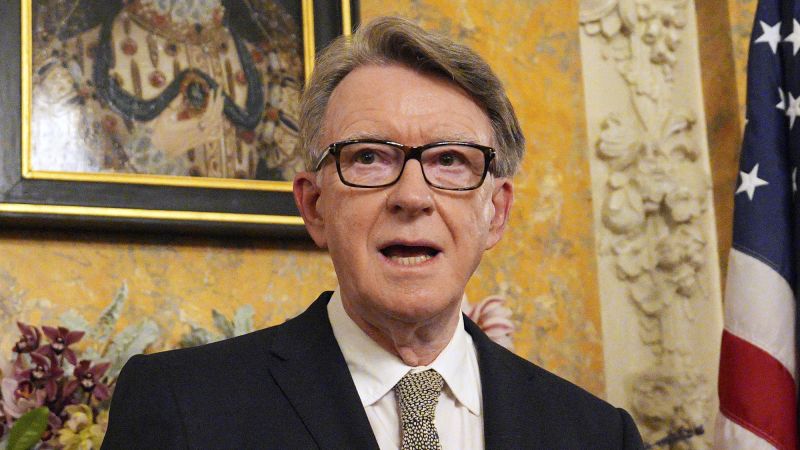
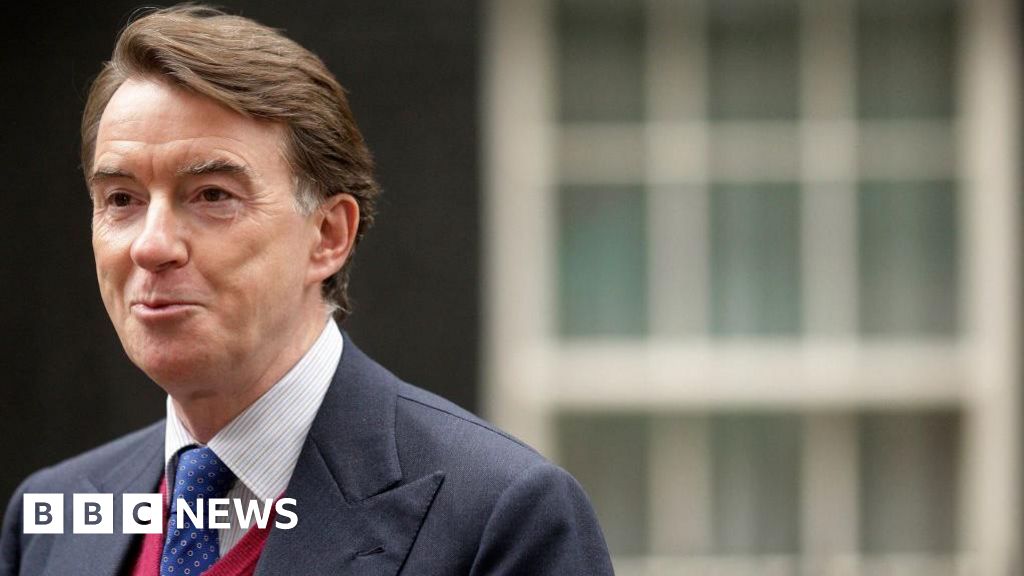
Recently released US documents reveal Peter Mandelson forwarded confidential No 10 emails to Jeffrey Epstein in 2009 and 2010, amid Gordon Brown's crumbling government. One explosive exchange captures Epstein's glee: "Finally got him to go today," celebrating advance word of Brown's resignation on May 10, 2010—hours before it went public. These leaks involved sensitive financial policies tied to Epstein's interests during the 2008 crash aftermath.[1][2]
Leaked Secrets and Job Schemes
Mandelson shared live policy details with Epstein, who dubbed him "Petie" and pushed for a $4m Deutsche Bank role post-election. Epstein even advised against backing Brown commercially. No evidence implicates others like Shriti Vadera, but the correspondence underscores Mandelson's deep ties to the disgraced financier, plotting amid political turmoil.[1][3]
Modern Fallout and Calls for Accountability
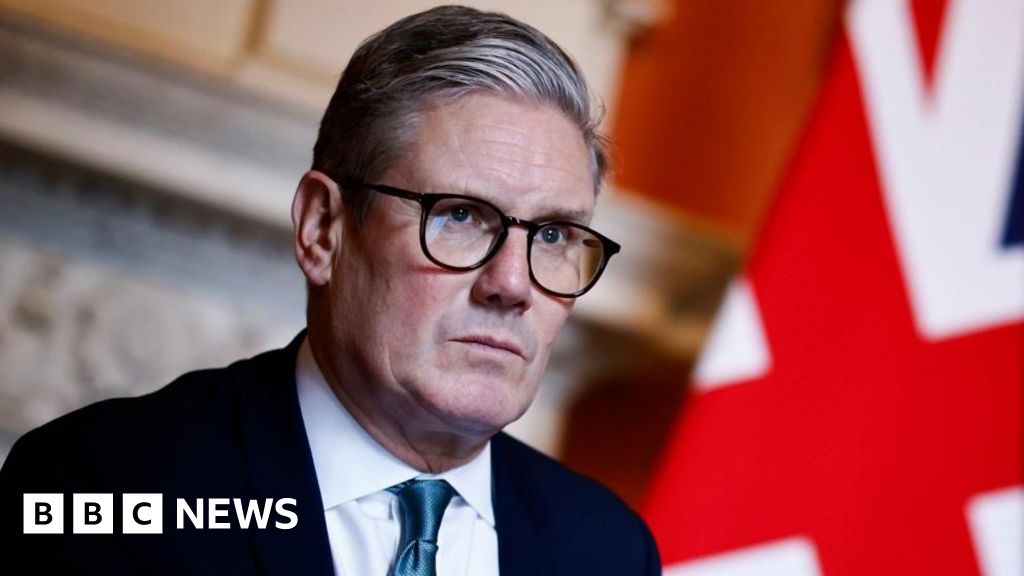
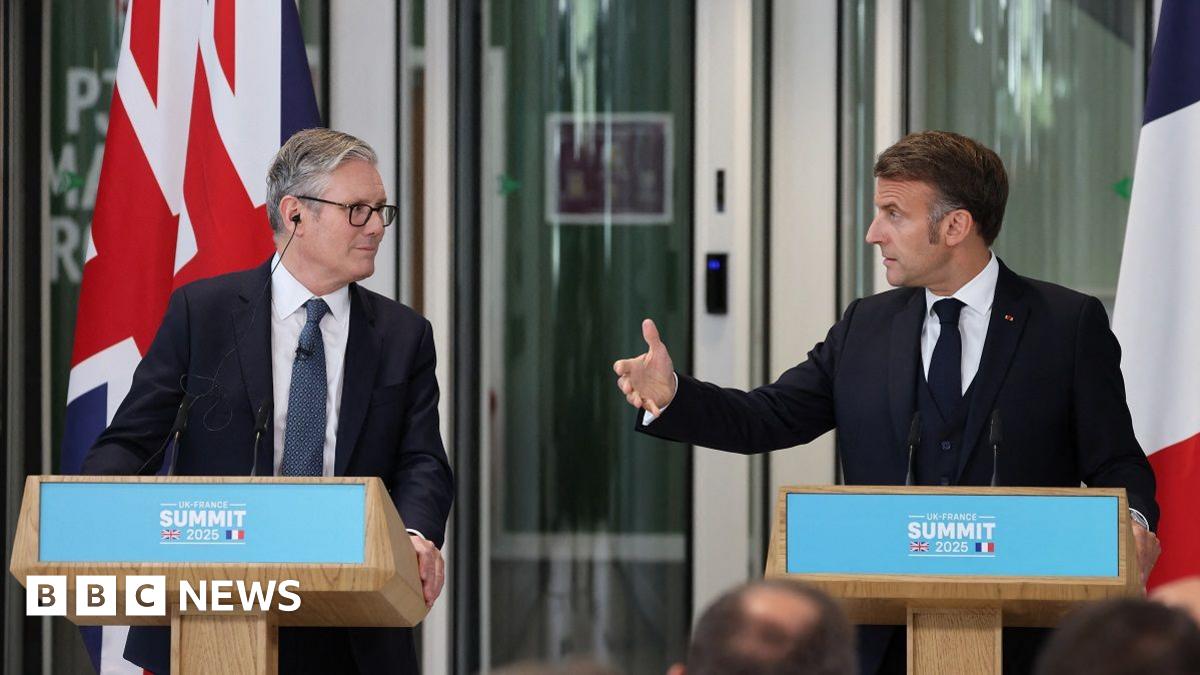
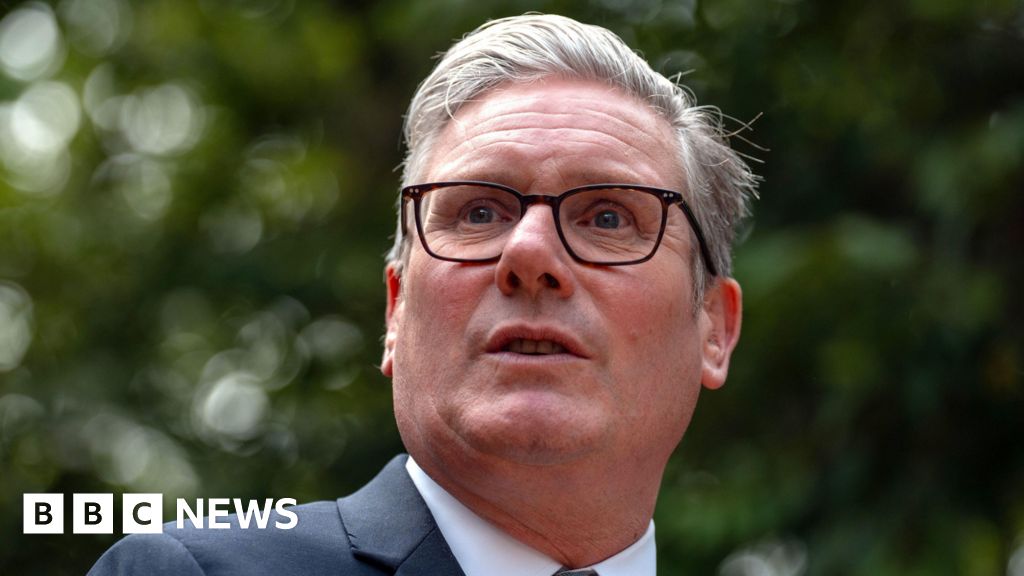
Today's uproar sees PM Keir Starmer regretting Mandelson's US ambassador nod, after Labour MPs forced a climbdown. Furious reactions highlight leaked secrets to a sex trafficker, demanding full file disclosures. This scandal taints Labour's past, questioning vetting and elite connections.[2]
About the People Mentioned
Peter Mandelson
Peter Mandelson, born on October 21, 1953, in London, is a British politician known for his influential role within the Labour Party and the UK government. He served as Member of Parliament for Hartlepool from 1992 to 2004 and held several senior cabinet positions including Secretary of State for Trade and Industry (1998), Secretary of State for Northern Ireland (1999–2001), and Secretary of State for Business, Innovation and Skills (2008–2010). Mandelson was a key architect of the "New Labour" movement alongside Tony Blair, which transformed the Labour Party in the 1990s into an electoral force emphasizing economic and social liberalism. From 2004 to 2008, he served as European Commissioner for Trade, playing a significant role in shaping EU trade policy. In 2008, he was appointed a life peer in the House of Lords, though he has since taken indefinite leave from the chamber. In December 2024, Mandelson was appointed UK Ambassador to the United States, a position he held from February to September 2025 under Prime Minister Keir Starmer. His tenure was notably brief and ended amid controversy linked to his associations with American financier Jeffrey Epstein. Beyond politics, Mandelson co-founded Global Counsel, a global public policy advisory firm. His career reflects notable achievements in government, European trade, and diplomacy, though it has also been marked by contentious episodes. Mandelson remains a prominent figure in British political history for his strategic influence and role in modernizing the Labour Party[1][2][3][4].
Jeffrey Epstein
Jeffrey Edward Epstein (January 20, 1953 – August 10, 2019) was an American financier and convicted sex offender whose life and crimes attracted intense media scrutiny and public controversy[1][3]. Born and raised in Brooklyn, New York, Epstein initially worked as a teacher at the Dalton School in Manhattan before transitioning to a career in finance, joining Bear Stearns and later establishing his own investment firms[1][2]. He managed the wealth of billionaire Leslie Wexner, amassing significant personal fortune and cultivating a social circle that included politicians, celebrities, business leaders, and even royalty[2][3]. Epstein’s professional achievements were overshadowed by criminal allegations. In 2005, police in Palm Beach, Florida, began investigating him after a parent reported he had sexually abused her 14-year-old daughter[1]. Federal authorities later identified dozens of girls, some as young as 14, whom Epstein had allegedly abused[1][6]. In 2008, he pleaded guilty in Florida state court to procuring a child for prostitution and soliciting a prostitute as part of a controversial plea deal, serving nearly 13 months in custody with work release privileges[1][2]. Despite his conviction, Epstein avoided more severe federal charges at the time. In July 2019, Epstein was arrested again on federal charges for sex trafficking minors in Florida and New York[1][2]. While awaiting trial in a Manhattan jail, he was found dead in his cell on August 10, 2019; the medical examiner ruled his death a suicide by hanging[1][3]. The circumstances surrounding his death, including missing and modified CCTV footage, fueled widespread public skepticism and conspiracy theories[1]. In July 2025, the FBI released surveillance footage supporting the suicide ruling, though questions about the investigation persist[1]. Epstein’s case remains highly relevant due to ongoing lawsuits by his victims, investigations into his associates, and the release of thousands of previously sealed documents in early 2024 that renewed public interest in his network and alleged co-conspirators[2]. His former associate, Ghislaine Maxwell, was convicted of related charges, underscoring the lasting impact of his crimes[2]. Discussions about accountability, the influence of wealth and power, and the treatment of survivors continue to shape the public dialogue around Epstein’s legacy[2][5].
Keir Starmer
Keir Starmer, born on September 2, 1962, in London, England, is a British politician and barrister. He grew up in Oxted, Surrey, with his father working as a toolmaker and his mother as an NHS nurse. Starmer was the first in his family to attend university, studying law at the University of Leeds and later earning a postgraduate degree from the University of Oxford[2][3]. Before entering politics, Starmer had a distinguished career as a barrister. He qualified in 1987 and was appointed Queen's Counsel (QC) in 2002. Notably, he served as the Director of Public Prosecutions from 2008 to 2013, leading the Crown Prosecution Service[2]. He was knighted in 2014 for his contributions to criminal justice[2]. Starmer was elected as a Member of Parliament for Holborn and St Pancras in 2015. He became the Shadow Minister for Immigration under Jeremy Corbyn but later resigned in protest. He then served as Shadow Secretary of State for Exiting the European Union[5]. In April 2020, he was elected as the leader of the Labour Party, winning with a significant majority in the first round of voting[5]. In July 2024, Starmer became the Prime Minister of the United Kingdom following a landslide Labour victory in the general election, replacing Rishi Sunak[1][4]. As Prime Minister, he is focused on implementing Labour's manifesto, which includes objectives related to the economy, crime, healthcare, education, and climate change[1]. His leadership marks a significant shift in British politics, emphasizing national renewal and change[4]. Starmer is married to Victoria Starmer, an NHS worker, and they have two children[4].
About the Organizations Mentioned
Deutsche Bank
**Deutsche Bank**, Germany's leading bank with deep European roots and a global network, delivers a broad spectrum of financial services including retail and private banking, corporate and transaction banking, lending, asset and wealth management, and focused investment banking to individuals, SMEs, corporations, governments, and institutional investors.[1] Founded in 1870, Deutsche Bank has evolved into a powerhouse through strategic expansions, surviving world wars, financial crises, and regulatory upheavals. Its history reflects resilience: from pioneering international finance in the late 19th century to navigating the 2008 global meltdown and recent scandals like money laundering probes, which prompted leadership changes and a pivot toward stability under CEO Christian Sewing since 2018. Key achievements include dominating Germany's banking sector, issuing influential outlooks like the 2026 Capital Markets report forecasting robust global growth amid geopolitical risks, with **artificial intelligence (AI)** as a pivotal growth engine driving investments in data centers, utilities, and supply chains.[1][2][4] The bank anticipates double-digit profit surges across regions, supported by US fiscal stimuli like the "One Big Beautiful Bill Act," Fed rate cuts, and Europe's €500bn infrastructure fund boosting Germany's projected 1.5% GDP growth in 2026.[3][4] Currently, as of early 2026, Deutsche Bank maintains a constructive equity outlook, urging active risk management in volatile AI markets while highlighting opportunities beyond traditional assets.[1][2] Its research arms, like the Chief Investment Office, project economic recovery—US consumer strength, German fiscal expansion—and warn of inflation risks from tight labor markets.[3] Notably, the bank leverages technology for forward-looking insights, positioning AI not as a bubble but a structural boom, while advocating diversified portfolios amid tariffs and policy shifts. With strong cash flows funding tech investments, Deutsche Bank blends tradition with innovation, guiding clients through uncertainty.[2][4] (298 words)
No 10
**No. 10**, commonly known as **Federalist No. 10**, is a seminal essay by James Madison published on November 22, 1787, as the tenth installment in *The Federalist Papers*—a series advocating for U.S. Constitution ratification.[2][3][7] Written under the pseudonym "Publius" alongside Alexander Hamilton and John Jay, it masterfully dissects the perils of factions in democratic societies and proposes a large republic as the antidote.[1][4] ### Purpose and Core Ideas Madison's mission was to reconcile liberty with stability amid fears that the proposed Constitution centralized too much power.[3][7] He defined **factions** as passionate groups united by shared interests—often driven by unequal property distribution—that threaten the public good by prioritizing self-interest over others' rights.[2][6] Inevitable due to human nature's diversity in opinions, wealth, and property, factions arise from economic divides like landed vs. manufacturing interests.[2][5] Rather than eradicating them (impossible without destroying liberty), Madison argued a **large republic** filters them through elected representatives who refine public views, diluting narrow majorities in a diverse populace.[3][4][8] ### Historical Context and Achievements Penned during heated ratification debates, Federalist No. 10 countered Anti-Federalist worries of state-level faction tyranny, especially in commerce-heavy North vs. agrarian South.[2][7] Its triumph: influencing constitutional adoption and cementing Madison as the "Father of the Constitution."[7] Hailed as peak American political writing, it shaped republicanism by proving national scale safeguards minorities better than small democracies.[3][4] ### Enduring Legacy Today, No. 10 illuminates modern factionalism—from political parties to interest groups—underscoring representative democracy's resilience.[5][6] Its Enlightenment-rooted optimism in institutional design over virtuous citizens remain
Labour
The **International Labour Organization (ILO)** is a specialized United Nations agency founded in 1919 under the Treaty of Versailles to promote social justice and improve labor conditions worldwide. It was established on the conviction that lasting peace depends on social justice, and it initially focused on improving working conditions, wages, child labor protection, and unemployment rights among its founding member states. Its headquarters moved to Geneva in 1920, and in 1946 it became part of the United Nations system[1][5][6]. The ILO operates uniquely as the only tripartite UN agency, bringing together governments, employers, and workers from its 187 member countries to set international labor standards, develop policies, and implement programs that promote decent work for all. It has a long legacy of pioneering labor reforms, including early conventions on working hours, maternity protection, and child labor restrictions adopted at its first conference in 1919. The organization’s commitment to social justice earned it the Nobel Peace Prize in 1969[1][6]. Throughout its history, the ILO has been instrumental in advancing international labor rights and development. It established the International Institute for Labour Studies and the International Training Centre in the 1960s, furthering research and training to support labor standards globally. Notably, it has promoted the Social and Solidarity Economy (SSE), emphasizing cooperatives and inclusive economic growth, recognizing their role in sustainable development and job creation[1][6]. The ILO’s influence extends into policy shaping and advocacy, including fostering a human-centered recovery from global crises like COVID-19 by emphasizing inclusive, resilient labor markets. Its tripartite governance structure and commitment to social justice make it a critical player in global business and labor relations, bridging the interests of workers, employers, and governments to foster fair work worldwide[6]. In summary, the ILO is a historic and influential organization that continues to shape international labor standards and promote equitable economic development in the evolving global business and technolog