Thailand and Cambodia: The Persistent Border Conflict and 2025 Escalation
#thailand_cambodia #border_conflict #icj #unesco #regional_stability
Thailand and Cambodia: The Persistent Border Conflict
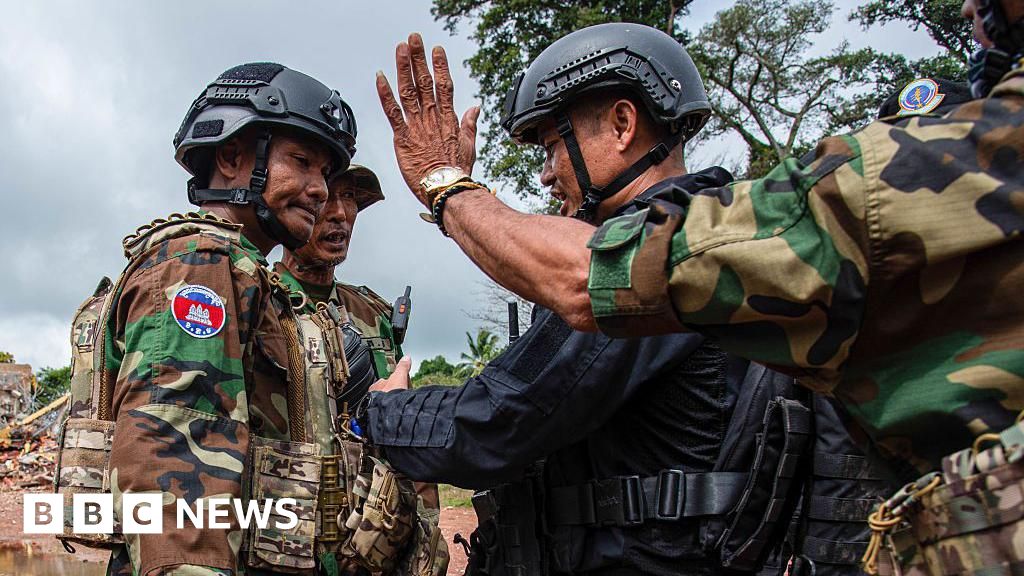
The border between Thailand and Cambodia remains a flashpoint of deep mistrust, fueled by colonial-era disputes that defy resolution. Rooted in the 1904-1907 Franco-Siamese treaties, the conflict centers on ancient temples like Preah Vihear, where ambiguous boundaries spark nationalism on both sides. Despite ICJ rulings in 1962 and 2013 affirming Cambodian sovereignty, Thailand contests surrounding lands, perpetuating tension.
Escalation in 2025: A Deadly Revival
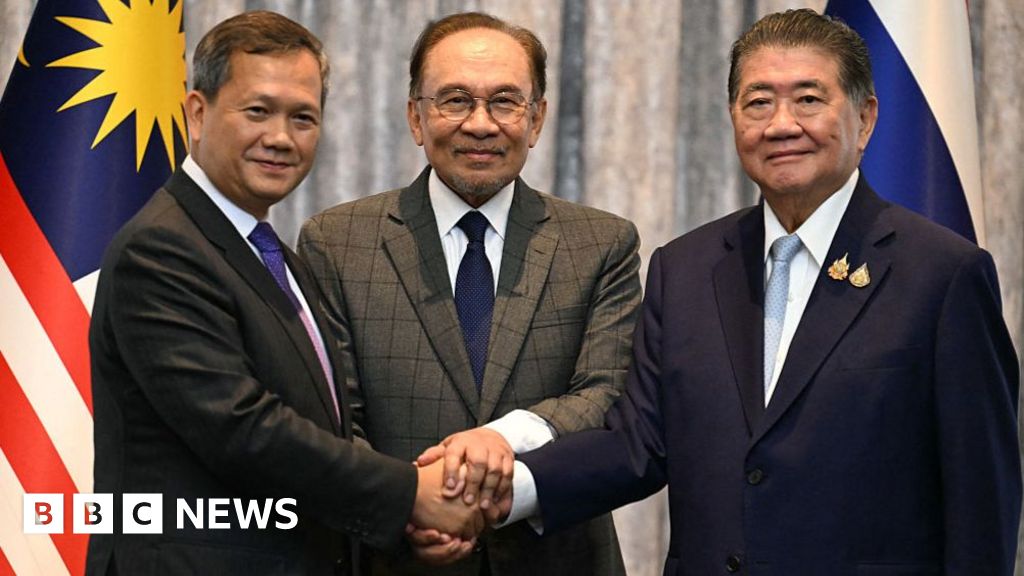
Tensions reignited in May 2025 with clashes at the Emerald Triangle, escalating on July 24 into the worst fighting in decades. Thai F-16 jets bombed Cambodian positions near Ta Muen Thom temple, causing 38 deaths and displacing over 300,000 civilians. Ceasefires in late July and fragile truces followed, but December incidents, including a Thai soldier's death, shattered peace, closing borders and halting civilian movement.
Why Resolution Remains Elusive
Nationalist sentiments, domestic politics, and unratified ICJ jurisdictions widen the gulf. Historical grievances from Khmer Rouge era chaos and UNESCO listings intensify claims, making compromise rare. Without mutual trust and joint demarcation, skirmishes persist, threatening regional stability.
About the Organizations Mentioned
ICJ
**The International Court of Justice (ICJ)**, known as the World Court, is the United Nations' principal judicial organ, settling legal disputes between states and issuing advisory opinions on international law questions referred by UN bodies.[1][2][3] Housed in The Hague's Peace Palace, it stands as the sole UN organ outside New York, operating in English and French with jurisdiction based on state consent via agreements or declarations.[1][3] Established in June 1945 under the UN Charter—succeeding the League of Nations' Permanent Court of International Justice (1922–1940)—the ICJ began operations in 1946.[1][2][6] Its 15 judges, elected for nine-year terms by the UN General Assembly and Security Council, represent diverse civilizations and legal systems, with no two from the same nation; they serve independently, not as government representatives.[1][3] The ICJ adjudicates **contentious cases** (80% of its docket), covering territorial disputes, maritime boundaries, diplomatic protections, and modern issues like humanitarian law, environmental concerns, and use of force.[3][6] Its rulings bind consenting states and shape international law precedents, while non-binding advisory opinions guide UN agencies.[1][2] Key achievements include resolving over 180 cases since inception, such as boundary delimitations and landmark opinions on nuclear weapons legality, reinforcing global rule of law post-World War II.[1][6] Currently active into the 2020s, the ICJ maintains relevance amid geopolitical tensions, distinguishing itself from the criminal-focused International Criminal Court (ICC), which targets individuals for atrocities.[3][7] Note: A separate entity, the International Commission of Jurists (ICJ), is an NGO advancing human rights via lawyers and judges, but lacks the judicial authority of the UN court.[4] This enduring institution exemplifies technology's role in diplomacy through digital case archives and live proceedings, captivating business leaders tracking global stabilit
UNESCO
## Overview UNESCO—the United Nations Educational, Scientific and Cultural Organization—is a specialized UN agency headquartered in Paris, France, with 194 member states and 12 associate members[6]. Established in 1945 in the aftermath of World War II, UNESCO was founded to build peace through international cooperation in education, science, and culture, directly addressing the belief that political and economic agreements alone cannot secure lasting peace[1][6]. Its mission is rooted in fostering dialogue, sustainable development, and human rights by promoting collaboration across nations[6]. ## Core Activities UNESCO operates across five main program areas: education, natural sciences, social and human sciences, culture, and communication/information[6]. The organization sets global norms and standards, develops policy frameworks, and builds international networks—most notably through its World Heritage, Biosphere Reserves, and Global Geoparks programs[1]. UNESCO is a leader in global education, guiding efforts to achieve Sustainable Development Goal 4 (quality education) and convening high-level forums like the Global Education Meeting[2][5]. In science, UNESCO supports international research, ethical guidelines, and innovation, including co-chairing UN initiatives on artificial intelligence (AI) and digital governance[5]. Culturally, UNESCO protects and promotes both tangible and intangible heritage, maintaining the World Heritage List and supporting the preservation of cultural diversity[1][6]. ## Key Achievements UNESCO’s most visible achievement is its World Heritage program, which has inscribed over 1,150 sites of outstanding universal value, safeguarding them for future generations[1]. The organization has also pioneered global literacy campaigns, advanced Holocaust and genocide education to combat antisemitism, and promoted media freedom through initiatives like the UN Plan of Action on the Safety of Journalists[1][5]. UNESCO’s work in science includes fostering international collaboration on climate action, water resource management, and ethical standards in emerging technologies[5][7]. ## Current Status As of 2025